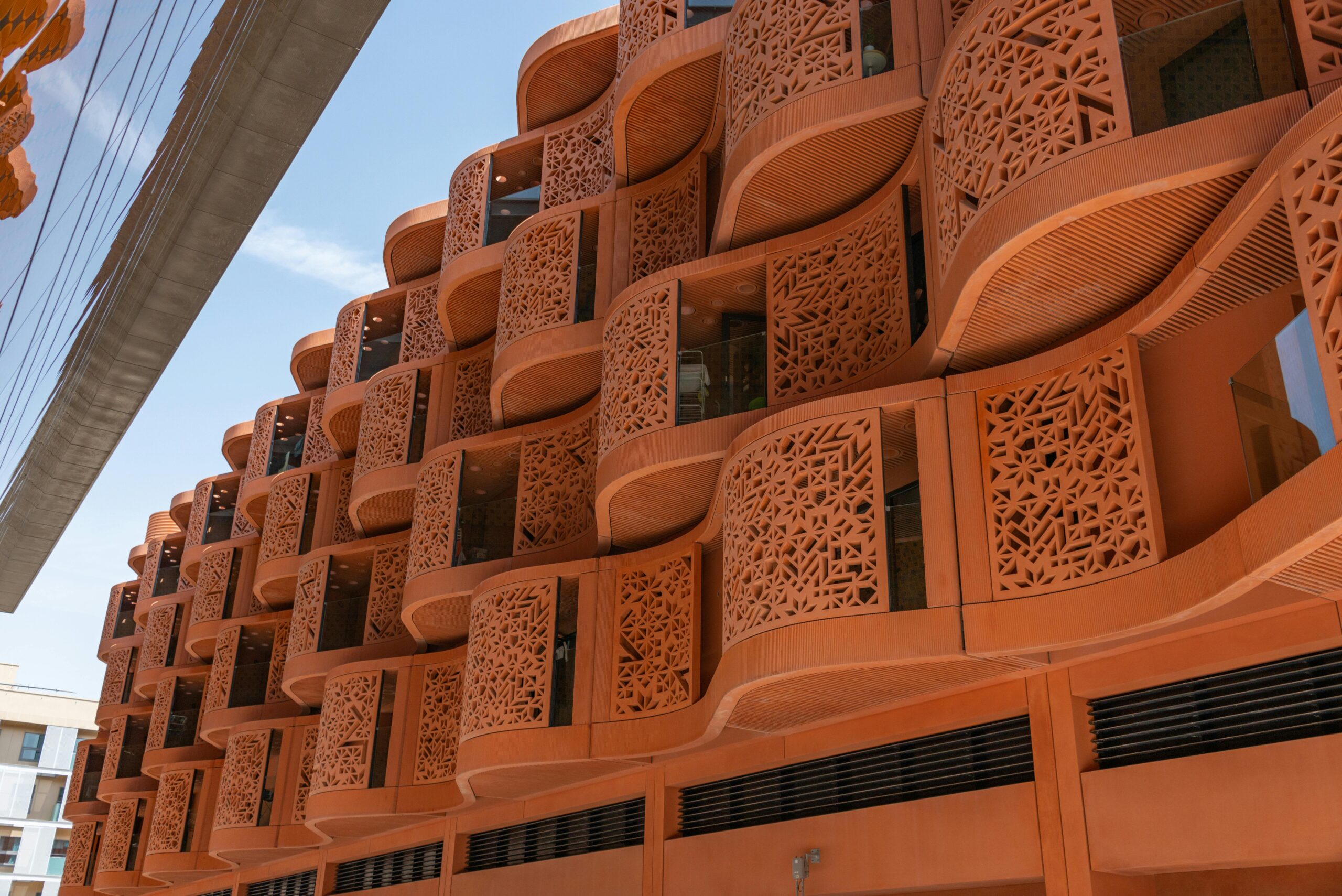
Harnessing the sun’s power begins with understanding how to position your home and spaces to maximize natural energy. Solar orientation is the foundation of energy-efficient design and sustainable living practices.

Whether you’re building a new home, renovating an existing property, or simply looking to reduce your energy bills, mastering solar orientation can transform how you interact with natural light and heat. This strategic approach to design considers the sun’s path throughout the day and across seasons, allowing you to optimize passive heating, cooling, and natural lighting while minimizing your reliance on artificial systems.
🌞 Understanding Solar Path and Its Impact on Your Home
The sun follows a predictable path across the sky, varying by season and latitude. In the Northern Hemisphere, the sun rises in the east, reaches its peak in the south, and sets in the west. During summer, the sun traces a higher arc across the sky, while winter brings a lower trajectory that allows deeper penetration into south-facing spaces.
This fundamental knowledge forms the basis of effective solar orientation strategies. Understanding your specific location’s solar geometry enables you to make informed decisions about window placement, roof angles, and landscape design that work with nature rather than against it.
The difference between summer and winter sun angles creates opportunities for passive climate control. A properly oriented home can capture warming winter sunlight while deflecting intense summer rays, reducing both heating and cooling costs throughout the year.
The Golden Rules of Solar Orientation for Maximum Efficiency
Optimal solar orientation follows specific principles that have been proven effective across different climates and building types. The primary living spaces should face within 30 degrees of true south in the Northern Hemisphere, or true north in the Southern Hemisphere, to maximize solar gain during cooler months.
North-South Axis Positioning
Aligning your home along a north-south axis allows the longest walls to face east and west, while shorter walls face north and south. This configuration minimizes exposure to the harsh afternoon western sun while maximizing the beneficial southern exposure for passive solar heating.
East-facing windows capture gentle morning sunlight, perfect for bedrooms and breakfast areas. West-facing spaces receive intense afternoon heat, making them ideal for garages, utility rooms, or well-shaded outdoor living areas rather than main living spaces.
Room Placement Strategy
Strategic room placement according to solar orientation creates natural comfort zones throughout your home. Living rooms, dining areas, and home offices benefit from south-facing positions where natural light is abundant but manageable. Bedrooms can be positioned on the eastern side to wake with natural sunrise light, while bathrooms and closets work well on the northern side where consistent, indirect light is sufficient.
Window Design and Placement for Solar Optimization ☀️
Windows serve as the primary interface between your home’s interior and solar energy. The size, placement, and quality of your windows dramatically affect your home’s energy efficiency and comfort levels throughout the year.
South-facing windows should comprise approximately 60-70% of your total window area in temperate climates. These windows capture maximum winter sun when the sun’s angle is low, allowing deep penetration into your space. During summer, properly designed overhangs block the high-angle sun, preventing overheating.
The Overhang Calculation
Calculating the correct overhang depth is crucial for effective passive solar design. A general rule suggests that the overhang should extend approximately one-third of the window height for optimal summer shading while allowing winter sun penetration. However, this varies based on your latitude and specific climate conditions.
East and west windows should be minimized as they’re difficult to shade effectively. Morning eastern sun is manageable, but western afternoon sun can cause significant overheating. When west-facing windows are necessary, consider using exterior shading devices, high-performance glazing, or strategic landscaping to mitigate heat gain.
Passive Solar Heating: Free Energy from Strategic Design
Passive solar heating harnesses the sun’s energy without mechanical systems or external power sources. This elegant approach combines proper orientation with thermal mass materials that absorb, store, and gradually release heat throughout your living spaces.
Thermal mass materials like concrete, brick, tile, or stone placed in direct sunlight absorb heat during the day and release it slowly during cooler evening hours. This natural temperature regulation reduces heating requirements and creates comfortable, stable indoor environments.
Direct Gain Systems
Direct gain is the simplest passive solar heating approach, where sunlight enters through south-facing windows and strikes thermal mass surfaces directly. The heated mass then radiates warmth back into the space over time, creating a natural heating cycle that requires no energy input beyond the sun itself.
For maximum effectiveness, thermal mass should be dark-colored to improve absorption, and positioned where it receives at least six hours of direct sunlight during winter months. Distribute thermal mass throughout the space rather than concentrating it in one location for more even heat distribution.
🌿 Landscape Design for Solar Management
Strategic landscaping serves as a living climate control system, working in harmony with your home’s solar orientation to regulate temperature and light naturally. Deciduous trees planted on the southern and western sides provide summer shade while allowing winter sunlight to pass through bare branches.
The distance between trees and your home matters significantly. Plant large deciduous trees at a distance equal to their mature height on the south side, and closer on the west side where summer afternoon sun is most intense. This positioning maximizes shading benefits while preventing excessive root intrusion and potential structural issues.
Evergreen Wind Barriers
Evergreen trees and shrubs positioned on the northern and northwestern sides create effective windbreaks that reduce heat loss during cold months. These permanent barriers deflect cold winter winds while maintaining their protective function year-round without interfering with solar gain from the south.
Solar Panel Orientation for Renewable Energy Production
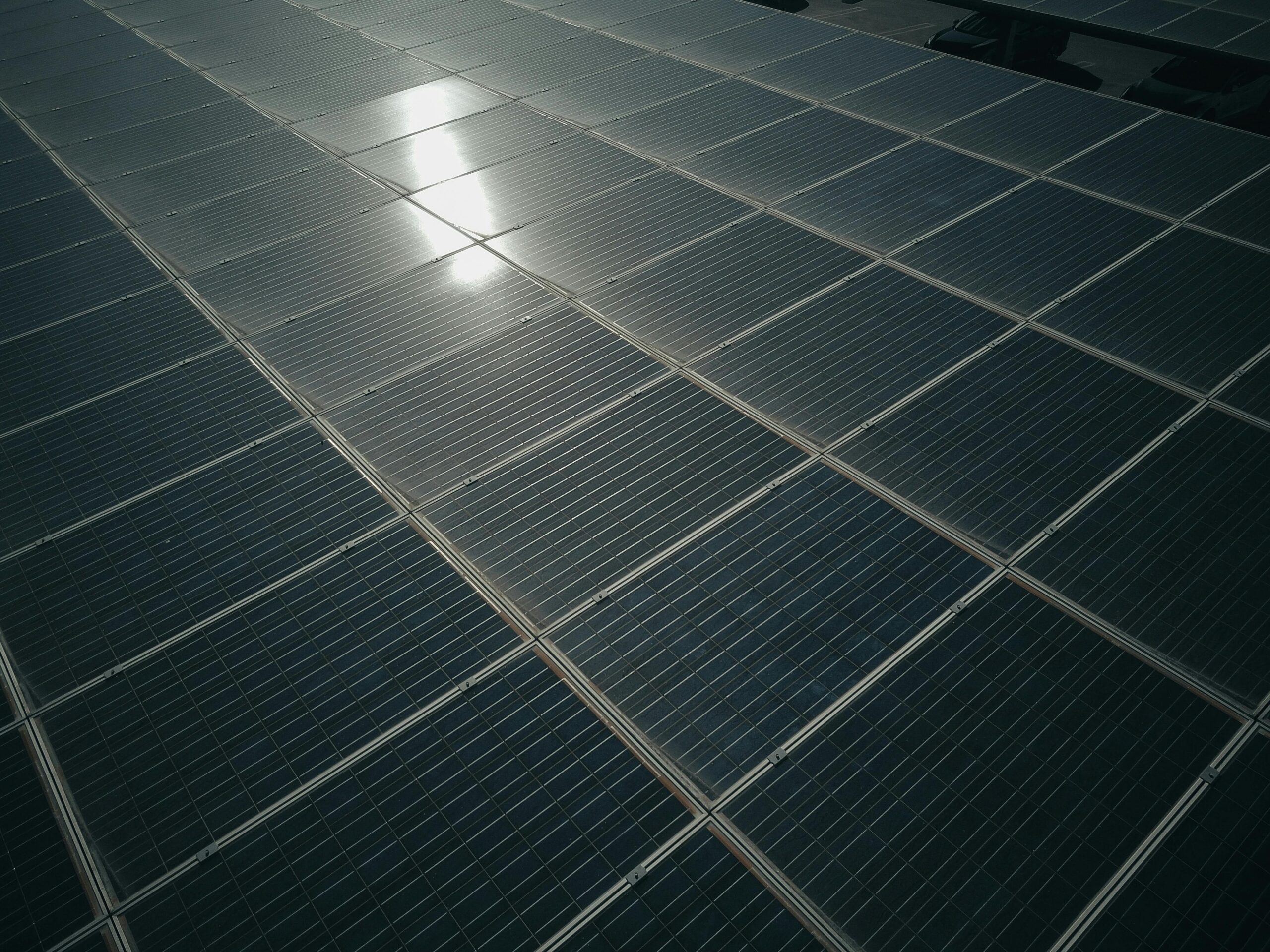
When integrating solar photovoltaic panels into your sustainable living strategy, orientation and tilt angle become critical factors in energy production efficiency. In the Northern Hemisphere, solar panels perform optimally when facing true south with a tilt angle approximately equal to your latitude.
However, slight variations can be advantageous depending on your energy consumption patterns. A steeper tilt angle favors winter production when the sun is lower, while a shallower angle optimizes summer output. Some homeowners choose angles that maximize production during peak utility rate periods rather than absolute annual production.
East-West Solar Arrays
While south-facing panels capture maximum daily energy, east-west configurations spread production more evenly throughout the day. This approach reduces mid-day production peaks while extending generation into morning and afternoon hours, potentially better matching household consumption patterns and reducing grid stress.
Climate-Specific Solar Strategies 🌡️
Effective solar orientation strategies must adapt to regional climate characteristics. What works perfectly in a temperate climate may be counterproductive in tropical, arid, or cold regions where solar angles, temperatures, and seasonal variations differ significantly.
Hot-Arid Climates
In desert and hot-arid regions, solar orientation focuses on minimizing heat gain rather than maximizing it. Reduce south-facing glass, employ extensive shading devices, and utilize light-colored exterior surfaces to reflect rather than absorb solar radiation. Thermal mass still proves valuable, but should be insulated from direct sun exposure to prevent excessive heat absorption.
Cold Climates
Cold-climate solar strategies prioritize capturing and retaining heat. Maximize south-facing glass, minimize north-facing windows, and incorporate substantial thermal mass exposed to direct sunlight. Ensure excellent insulation throughout the building envelope to prevent heat loss, and consider adding insulated window coverings for nighttime thermal retention.
Temperate and Mixed Climates
Temperate regions benefit from balanced approaches that address both heating and cooling needs. Moderate south-facing glazing combined with properly designed overhangs provides winter heat while preventing summer overheating. Operable windows positioned for cross-ventilation leverage natural breezes for free cooling during mild seasons.
Technology Tools for Solar Analysis and Planning
Modern technology provides powerful tools for analyzing and optimizing solar orientation before construction begins. Solar path calculators, 3D modeling software, and specialized applications help visualize sun angles throughout the year, enabling data-driven design decisions.
Sun seeker apps overlay solar paths onto real-world camera views, allowing you to stand on your property and see exactly where the sun will be at any time of day or year. This practical visualization helps identify optimal building placement, window locations, and shading opportunities before committing to permanent structures.
Retrofitting Existing Homes for Better Solar Orientation 🏠
While new construction offers ideal opportunities for solar orientation optimization, existing homes can significantly improve energy efficiency through strategic retrofits. Start with a comprehensive solar audit to identify how sun interacts with your current structure throughout the day and across seasons.
Adding south-facing windows or enlarging existing ones can dramatically increase passive solar gain, though structural considerations and local building codes must be carefully evaluated. Window replacement provides opportunities to upgrade to high-performance glazing with appropriate solar heat gain coefficients for your climate and orientation.
Shading Additions and Improvements
External shading devices offer the most effective retrofit options for controlling solar heat gain. Fixed overhangs, pergolas, awnings, and exterior blinds block sunlight before it enters your home, preventing heat buildup more effectively than interior treatments. Adjustable shading systems provide seasonal flexibility, maximizing winter sun access while blocking summer heat.
Thermal Mass Integration
Adding thermal mass to existing homes requires careful planning but can yield significant comfort and efficiency improvements. Tile floors, masonry accent walls, or water thermal storage systems positioned in sunny locations create passive heating and cooling effects. Ensure adequate insulation surrounds thermal mass to prevent unwanted heat loss or gain.
Common Solar Orientation Mistakes to Avoid
Even well-intentioned solar design efforts can fall short when common pitfalls aren’t recognized and avoided. Overlooking true south versus magnetic south creates orientation errors that compound over the life of the building, reducing efficiency by significant percentages.
Excessive glazing, even properly oriented, can create uncomfortable glare, furniture fading, and temperature extremes that negate efficiency benefits. Balance is essential—more windows don’t automatically mean better solar performance. Each square foot of glass should serve a specific purpose in your overall solar strategy.
Ignoring Summer Cooling Needs
Many solar design enthusiasts focus exclusively on winter heating while neglecting summer overheating prevention. Effective solar orientation addresses year-round comfort, incorporating adequate shading, ventilation strategies, and selective glazing that manages solar gain appropriately for each season.
💰 Economic Benefits of Optimal Solar Orientation
Implementing smart solar orientation strategies delivers substantial economic returns through reduced energy consumption, lower utility bills, and increased property values. Passive solar homes typically consume 25-50% less energy for heating and cooling compared to conventionally designed structures.
These savings compound annually over the building’s lifetime, often exceeding the initial additional investment within just a few years. Furthermore, passive solar features require minimal maintenance and no operational costs, unlike mechanical heating and cooling systems that demand regular service and eventual replacement.
Property values reflect the growing market demand for energy-efficient, sustainable homes. Buyers increasingly recognize the long-term value of properly oriented homes with passive solar features, often paying premiums for properties that demonstrate thoughtful environmental design and reduced operating costs.
Integrating Solar Orientation with Other Sustainable Strategies
Solar orientation works synergistically with other sustainable building and living practices to create comprehensive environmental solutions. High-performance insulation maximizes the benefits of passive solar gain by preventing heat loss, while efficient HVAC systems require less capacity when passive design reduces baseline heating and cooling loads.
Daylighting strategies that leverage optimal solar orientation reduce artificial lighting requirements, cutting both energy consumption and heat gain from light fixtures. Natural ventilation systems work more effectively when solar orientation creates appropriate temperature differentials and air movement patterns throughout the home.
Water heating systems benefit from solar orientation principles when collectors are positioned to capture maximum solar radiation. Combining passive solar space heating with active solar water heating creates integrated renewable energy systems that address multiple household needs simultaneously.
The Future of Solar-Oriented Living 🌎
As climate change concerns intensify and energy costs continue rising, solar orientation principles will become increasingly central to residential and commercial building design. Building codes are evolving to incorporate passive solar requirements, recognizing the significant environmental and economic benefits these strategies provide.
Emerging technologies like smart glass that automatically adjusts tint based on sun angle and intensity, advanced phase-change materials for thermal storage, and AI-powered home energy management systems will enhance traditional solar orientation strategies. These innovations build upon fundamental principles while extending their effectiveness and adaptability.
The convergence of solar orientation knowledge with modern construction techniques, materials science, and digital design tools creates unprecedented opportunities for energy-efficient, comfortable, and sustainable living spaces. Understanding and implementing these principles positions you at the forefront of residential design evolution while immediately delivering practical benefits for your daily life and long-term financial health.
Mastering the sun through strategic solar orientation represents one of the most accessible, cost-effective approaches to sustainable living available today. Whether you’re planning new construction, renovating an existing home, or simply optimizing your current space, these principles offer pathways to reduced energy consumption, enhanced comfort, and meaningful environmental contribution that will serve you well for decades to come.