In a world increasingly focused on sustainability and energy efficiency, passive cooling emerges as a timeless solution that combines comfort with environmental responsibility. This natural approach to climate control has been used for centuries across various cultures and is now experiencing a renaissance in modern architecture and home design.

As energy costs continue to rise and climate change becomes an ever-pressing concern, understanding how to keep your living spaces comfortable without relying solely on power-hungry air conditioning systems has never been more relevant. Passive cooling techniques offer a pathway to reduced energy bills, smaller carbon footprints, and healthier indoor environments, all while maintaining the comfort levels you deserve.
🌬️ Understanding the Fundamentals of Passive Cooling
Passive cooling refers to techniques that reduce indoor temperatures and improve thermal comfort without mechanical systems or electricity. These methods work with natural forces such as wind patterns, thermal mass, evaporation, and radiation to regulate indoor climate. Unlike active cooling systems that consume significant energy, passive strategies harness environmental conditions to create comfortable living spaces.
The science behind passive cooling is rooted in thermodynamics and heat transfer principles. Heat moves from warmer to cooler areas through conduction, convection, and radiation. By understanding and controlling these processes, you can effectively manage your home’s temperature naturally. The key lies in preventing heat gain during hot periods and facilitating heat loss when needed.
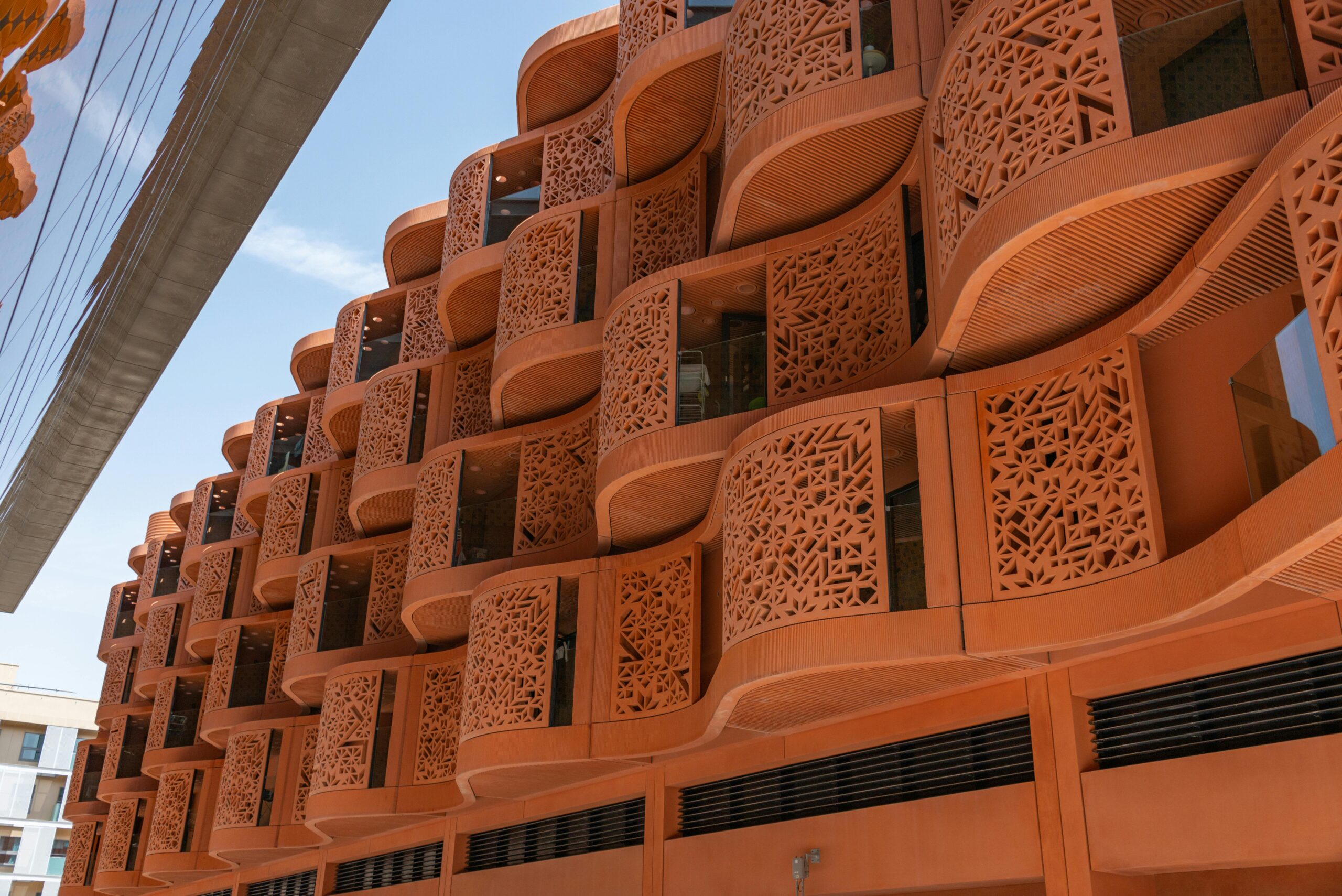
Traditional architecture from hot climates offers valuable lessons in passive cooling. From the wind towers of the Middle East to the thick-walled adobe structures of the American Southwest, these time-tested designs demonstrate that comfort doesn’t always require technology. Modern passive cooling simply refines these ancient principles with contemporary materials and scientific understanding.
Strategic Design Elements for Maximum Cooling Efficiency
Building orientation plays a crucial role in passive cooling effectiveness. In the Northern Hemisphere, positioning the longest walls facing north and south minimizes direct sun exposure during the hottest parts of the day. This simple design choice can significantly reduce heat gain, especially when combined with appropriate window placement and shading devices.
Window Placement and Glazing Optimization
Windows are both your greatest asset and potential liability in passive cooling. Strategic placement allows for cross-ventilation while minimizing unwanted solar heat gain. South-facing windows can be easily shaded with overhangs, while west-facing windows, which receive intense afternoon sun, should be minimized or heavily protected with external shading devices.
Modern low-emissivity (Low-E) glazing can reduce heat transfer by up to 50% compared to standard glass. These coatings reflect infrared light while allowing visible light to pass through, keeping interiors bright without the accompanying heat. Double or triple-glazed windows with insulating gas fills further enhance thermal performance, creating an effective barrier against outdoor temperatures.
Thermal Mass: Your Natural Temperature Regulator
Thermal mass refers to materials that absorb, store, and slowly release heat. Concrete, brick, stone, and tile excel in this role, acting as natural temperature buffers. During hot days, these materials absorb excess heat, preventing rapid temperature increases. At night, when outdoor temperatures drop, they release stored heat gradually, maintaining comfortable indoor conditions.
The effectiveness of thermal mass depends on proper implementation. Materials should be exposed to interior spaces where they can interact with room air. Covering massive materials with carpets or insulation negates their thermal regulation benefits. In cooling-dominated climates, thermal mass works best when combined with night ventilation strategies that flush accumulated heat from the building.
🏠 Ventilation Strategies for Natural Air Circulation
Natural ventilation harnesses wind and temperature differences to move air through buildings without mechanical fans. Cross-ventilation occurs when openings on opposite sides of a space allow air to flow through, carrying heat away. Stack ventilation exploits the principle that hot air rises, using vertical openings to draw cool air in at lower levels while exhausting warm air at higher points.
The effectiveness of natural ventilation depends on window design, placement, and operation. Operable windows should be positioned to capture prevailing breezes while accounting for privacy and security concerns. Casement windows that open outward can catch and direct breezes into the home more effectively than sliding windows. Window size also matters—larger openings facilitate greater airflow.
Creating Effective Ventilation Pathways
For cross-ventilation to work optimally, air must have clear paths through your home. Interior doors should remain open or feature transfer grilles that allow airflow even when closed. Open floor plans naturally facilitate ventilation, but homes with traditional layouts can achieve similar results with strategic modifications like transom windows above doors or dedicated ventilation corridors.
Night ventilation, also called night purging, involves opening windows during cooler evening and early morning hours to flush out accumulated heat. This strategy works particularly well in climates with significant day-night temperature swings. Automated window openers or simply establishing a routine of opening windows before bed and closing them in the morning can implement this effective cooling technique.
Shading Solutions: Your First Line of Defense
Preventing solar heat gain is far more effective than removing heat once it enters your home. External shading devices intercept sunlight before it reaches windows and walls, blocking up to 90% of potential heat gain. Internal shading like curtains or blinds, while better than nothing, allows heat to enter the building envelope where it becomes trapped.
Fixed and Adjustable Shading Options
Overhangs, awnings, and pergolas provide permanent shading that can be designed to block high-angle summer sun while allowing lower-angle winter sun to provide passive heating. The ideal overhang depth depends on latitude and window orientation, but typically extends 60-90 cm beyond the window for south-facing openings in temperate climates.
Adjustable solutions like external blinds, shutters, and retractable awnings offer flexibility to respond to changing conditions. Deciduous vegetation provides natural seasonal shading—leafy shade in summer, transparent branches allowing warming sunlight in winter. Trees planted strategically on the west side of buildings are particularly valuable, blocking intense afternoon sun during the hottest months.
🌿 Landscape and Exterior Strategies for Cooling
Your property’s landscape significantly influences indoor comfort. Strategic planting creates microclimates that reduce ambient temperatures around your home. Trees, shrubs, and ground covers lower surface temperatures through evapotranspiration, the process by which plants release water vapor, naturally cooling surrounding air.
Hardscaping choices also impact cooling performance. Dark, non-reflective surfaces like asphalt absorb and radiate heat, creating heat islands that warm nearby buildings. Light-colored or reflective materials, permeable pavers, and vegetation-covered surfaces remain cooler and reduce heat transfer to structures. A well-designed landscape can lower temperatures around your home by 5-10°C compared to conventional urban development.
Green Roofs and Living Walls
Vegetated roofs transform conventional heat-absorbing surfaces into cooling assets. Plants provide insulation, reduce heat absorption, and cool through evapotranspiration. Green roofs can reduce roof surface temperatures by up to 30-40°C compared to conventional roofing materials, significantly decreasing heat transfer into the building below.
Living walls or vertical gardens offer similar benefits for vertical surfaces. Beyond their cooling properties, these features improve air quality, reduce noise pollution, and enhance aesthetics. While installation requires investment, the energy savings, extended roof life, and environmental benefits often justify the costs over time.
Material Selection for Passive Cooling Performance
Building materials have inherent properties that affect thermal performance. Reflective or light-colored exterior surfaces can reflect up to 80% of solar radiation, preventing heat absorption. Cool roof coatings, specially formulated paints, and naturally light-colored materials like concrete tiles or metal roofing in light colors dramatically reduce cooling loads.
Insulation prevents heat transfer in both directions, making it essential for passive cooling. Proper insulation in walls, roofs, and floors maintains desired indoor temperatures by creating a thermal barrier. In hot climates, insulation is particularly critical in roofs and west-facing walls that experience the most intense solar exposure.
Breathable vs. Vapor Barrier Materials
Traditional building practices often employed breathable materials that allowed moisture vapor to pass through walls, preventing condensation and maintaining healthy indoor air quality. Modern vapor barriers prevent moisture movement but can trap humidity if improperly installed. In cooling-focused climates, breathable materials combined with proper ventilation often provide superior performance and comfort.
💡 Behavioral Habits That Enhance Passive Cooling
Even the best-designed passive cooling system requires appropriate operation. Simple habits dramatically improve effectiveness. Opening windows during cooler hours and closing them before temperatures rise traps cool air inside. Drawing curtains or blinds during the day blocks solar heat gain, while opening them at night facilitates radiative cooling.
Minimizing internal heat gains also contributes to cooling effectiveness. Using heat-generating appliances during cooler hours, switching to LED lighting that produces less waste heat, and cooking outdoors or using smaller appliances rather than large ovens all reduce the cooling load your passive systems must handle.
Monitoring and Adjusting for Optimal Performance
Understanding your home’s thermal behavior helps optimize passive cooling strategies. Simple temperature monitoring reveals which areas become uncomfortable and when, guiding interventions. Tracking outdoor conditions helps you anticipate when to open or close windows, adjust shading, or implement other strategies.
Weather monitoring apps can help you make informed decisions about when to ventilate or seal your home. By checking forecasts for temperature swings and wind patterns, you can plan ventilation strategies that maximize cooling effectiveness. Many smart home devices now offer automated window and shading control based on weather conditions and indoor temperatures.
Integrating Passive and Active Cooling Systems
Passive cooling rarely eliminates the need for mechanical systems entirely, particularly in extreme climates, but it dramatically reduces reliance on energy-intensive air conditioning. A hybrid approach uses passive strategies as the primary cooling method, with active systems providing supplemental cooling only when needed.
This integration extends equipment life, reduces energy consumption, and maintains comfort during peak conditions. Programmable thermostats set to higher temperatures allow passive systems to handle most cooling needs, with air conditioning activating only when passive methods prove insufficient. Many households find they can reduce air conditioning use by 50-80% through effective passive cooling implementation.
Transition Spaces and Buffer Zones
Covered porches, verandas, and courtyards serve as thermal buffer zones between outdoor heat and conditioned interior spaces. These semi-outdoor spaces provide comfortable areas during moderate weather while reducing heat transfer to primary living areas. Traditional architecture worldwide incorporates such transition spaces, recognizing their value in climate adaptation.
🌡️ Climate-Specific Passive Cooling Approaches
Effective passive cooling strategies vary by climate. Hot-humid regions benefit from maximized ventilation and dehumidification strategies, with less emphasis on thermal mass that can retain unwanted moisture. Hot-dry climates leverage evaporative cooling, thermal mass, and night ventilation more effectively due to large diurnal temperature swings.
Temperate climates with moderate summers might achieve complete comfort through passive cooling alone, while extreme climates require more comprehensive strategies combining multiple techniques. Understanding your specific climate conditions enables targeted implementation of the most effective passive cooling methods for your location.
Economic and Environmental Benefits of Passive Cooling
The financial advantages of passive cooling extend beyond reduced energy bills. Many passive cooling strategies involve one-time investments in design and materials rather than ongoing operational costs. Properly implemented passive systems can reduce cooling energy consumption by 40-100%, with payback periods typically ranging from immediate (for behavioral changes) to 5-15 years for structural modifications.
Environmental benefits are equally compelling. Reduced electricity consumption means fewer greenhouse gas emissions from power generation. Passive cooling decreases peak demand on electrical grids, reducing strain on infrastructure and minimizing the need for additional power plants. Buildings designed for passive cooling contribute to broader urban heat island mitigation, improving community-wide environmental conditions.
Common Challenges and Practical Solutions
Implementing passive cooling in existing buildings presents challenges absent in new construction. Retrofitting may require creative solutions that work within structural constraints. Focus on high-impact modifications like improving shading, adding insulation, upgrading windows, and optimizing ventilation paths. Even partial implementation yields significant benefits.
Privacy and security concerns sometimes conflict with ventilation requirements. High windows, clerestories, and strategically placed screening provide airflow while maintaining privacy. Security screens and automated window systems address safety concerns while preserving passive cooling functionality. Balancing these considerations requires thoughtful planning but is entirely achievable.
🏆 Advanced Passive Cooling Techniques
Radiant cooling systems use cool surfaces, typically in floors or ceilings, to absorb heat from room air and occupants. While often implemented with active cooling, passive variants use underground pipes, water bodies, or night sky radiation to cool the radiant surface without mechanical refrigeration. These systems provide comfortable cooling with minimal energy input.
Earth coupling exploits stable underground temperatures to pre-cool ventilation air. Earth tubes or Canadian wells draw fresh air through underground pipes before entering the building, arriving 5-10°C cooler than outdoor air. This technique works particularly well in climates with hot summers and provides year-round ventilation benefits.
Evaporative Cooling Strategies
Water features, fountains, and deliberate evaporation surfaces cool surrounding air naturally. As water evaporates, it absorbs heat energy from the environment, reducing ambient temperatures. This principle works best in dry climates where evaporation occurs readily. Even simple measures like dampening courtyards or using evaporative coolers provide significant temperature reductions in appropriate conditions.
Measuring Success and Continuous Improvement
Evaluating passive cooling effectiveness requires monitoring both comfort levels and energy consumption. Comparing energy bills before and after implementation quantifies financial benefits. Indoor temperature and humidity monitoring confirms thermal comfort improvements. Many utility companies offer free energy audits that help establish baselines and measure improvements.
Passive cooling is not a set-and-forget solution but an ongoing relationship with your building and environment. Seasonal adjustments, maintenance of shading devices and vegetation, and refinement of operational habits gradually improve performance. Each cooling season provides learning opportunities to enhance effectiveness further.

🌍 The Future of Passive Cooling in Sustainable Design
As building codes increasingly emphasize energy efficiency and sustainability, passive cooling moves from alternative approach to standard practice. Net-zero energy buildings routinely incorporate comprehensive passive cooling strategies as foundational design elements. Emerging materials like phase-change materials and advanced coatings promise to enhance passive cooling performance further.
Climate change adaptation strategies increasingly recognize passive cooling as essential resilience infrastructure. During power outages or extreme heat events, passively cooled buildings maintain safer indoor conditions than conventional structures reliant on active cooling. This resilience aspect elevates passive cooling from energy-saving measure to critical life-safety feature.
Mastering passive cooling represents an investment in comfort, economics, and environmental stewardship. Whether you’re designing a new building, renovating an existing structure, or simply seeking to reduce your cooling costs and carbon footprint, passive cooling strategies offer proven, accessible solutions. Start with simple behavioral changes and gradually implement more comprehensive strategies as opportunity allows. The cumulative effect of multiple passive cooling techniques creates comfortable, efficient, sustainable living spaces that honor both human needs and planetary boundaries. By working with natural forces rather than against them, you achieve comfort that feels better, costs less, and treads more lightly on our shared environment.