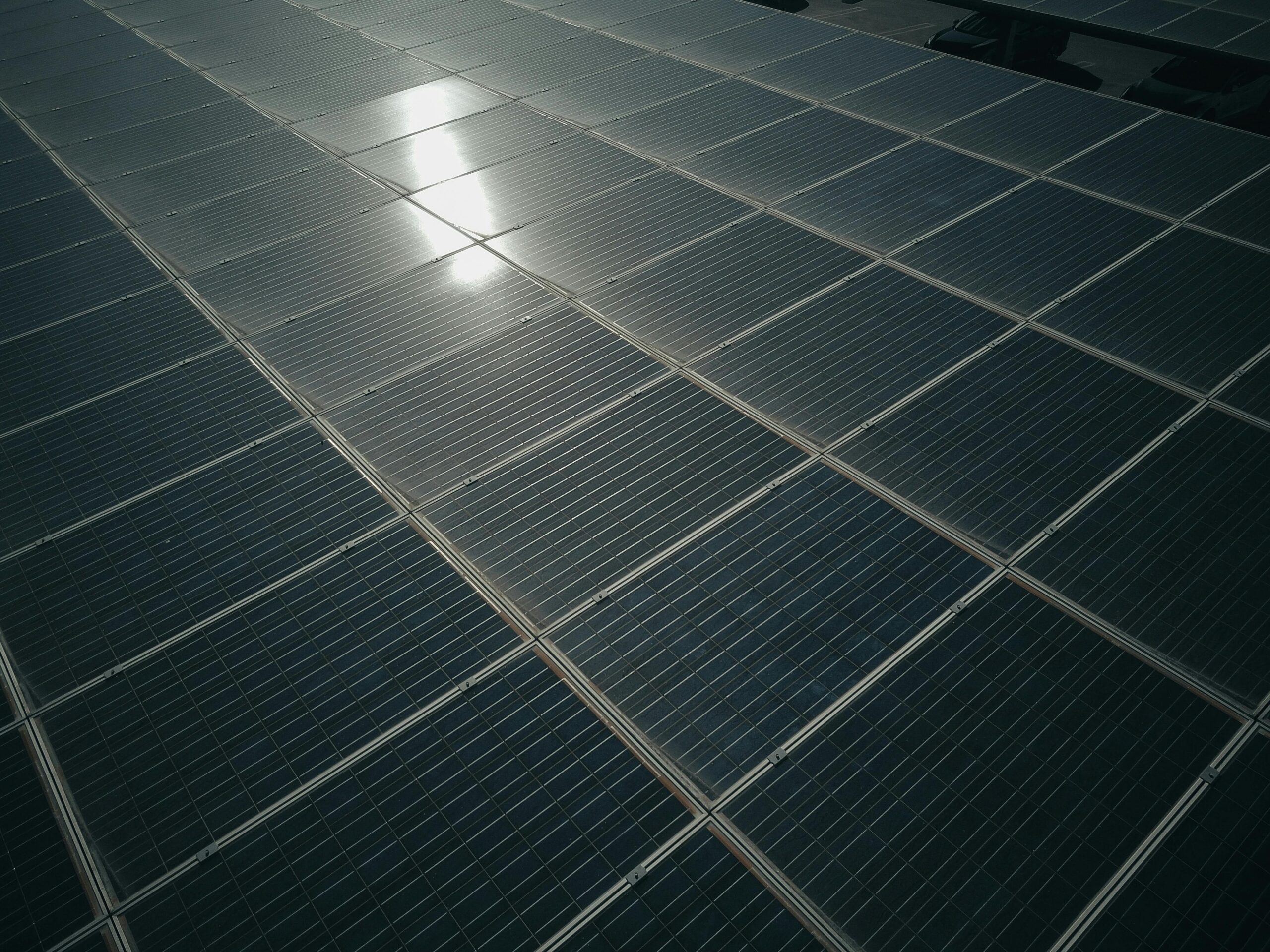
Modern living spaces demand solutions that blend comfort, sustainability, and aesthetic appeal seamlessly. Bioclimatic shading systems offer exactly that—transforming ordinary buildings into energy-efficient sanctuaries.

As global temperatures rise and energy costs soar, homeowners and architects alike are seeking innovative ways to regulate indoor climates naturally. Bioclimatic shading represents a sophisticated approach to environmental control that works with nature rather than against it, creating comfortable living spaces while dramatically reducing energy consumption throughout every season.
🌿 Understanding Bioclimatic Shading: Where Science Meets Design
Bioclimatic shading systems represent an architectural approach that considers the local climate, sun path, wind patterns, and environmental conditions to create optimal indoor comfort. Unlike traditional blinds or static awnings, these intelligent systems adapt to seasonal changes and daily weather fluctuations, providing precisely calibrated protection when needed.
The fundamental principle behind bioclimatic design involves harnessing natural elements to regulate temperature, light, and air quality. These systems typically incorporate adjustable louvers, pergolas, or screens that can be positioned to block intense summer sun while allowing warming winter light to penetrate interiors. The result is a dynamic envelope that responds to environmental conditions in real-time.
Advanced bioclimatic shading solutions often integrate motorized components with weather sensors and smart home technology. This automation ensures optimal positioning throughout the day without requiring constant manual adjustment, maximizing both comfort and energy savings effortlessly.
The Energy-Efficiency Revolution in Home Comfort ⚡
The energy-saving potential of bioclimatic shading systems is truly remarkable. Studies demonstrate that properly designed external shading can reduce cooling loads by up to 60% during peak summer months. This translates directly into lower electricity bills and reduced strain on HVAC systems, extending their operational lifespan significantly.
During winter, these same systems can be adjusted to maximize solar gain, allowing natural warmth to penetrate living spaces and reducing heating requirements. This bidirectional approach to climate control creates year-round efficiency that static solutions simply cannot match.
Quantifiable Benefits for Your Energy Budget
The financial impact of implementing bioclimatic shading extends beyond immediate utility savings. Properties equipped with these systems often command higher market values and attract environmentally conscious buyers. Additionally, many regions offer tax incentives or rebates for energy-efficient home improvements, making the initial investment even more attractive.
Consider that conventional air conditioning accounts for approximately 15-20% of residential energy consumption in temperate climates, and substantially more in hot regions. By reducing reliance on mechanical cooling through intelligent shading, homeowners can achieve dramatic reductions in both energy consumption and carbon footprint.
🏗️ Design Versatility: Aesthetic Excellence Without Compromise
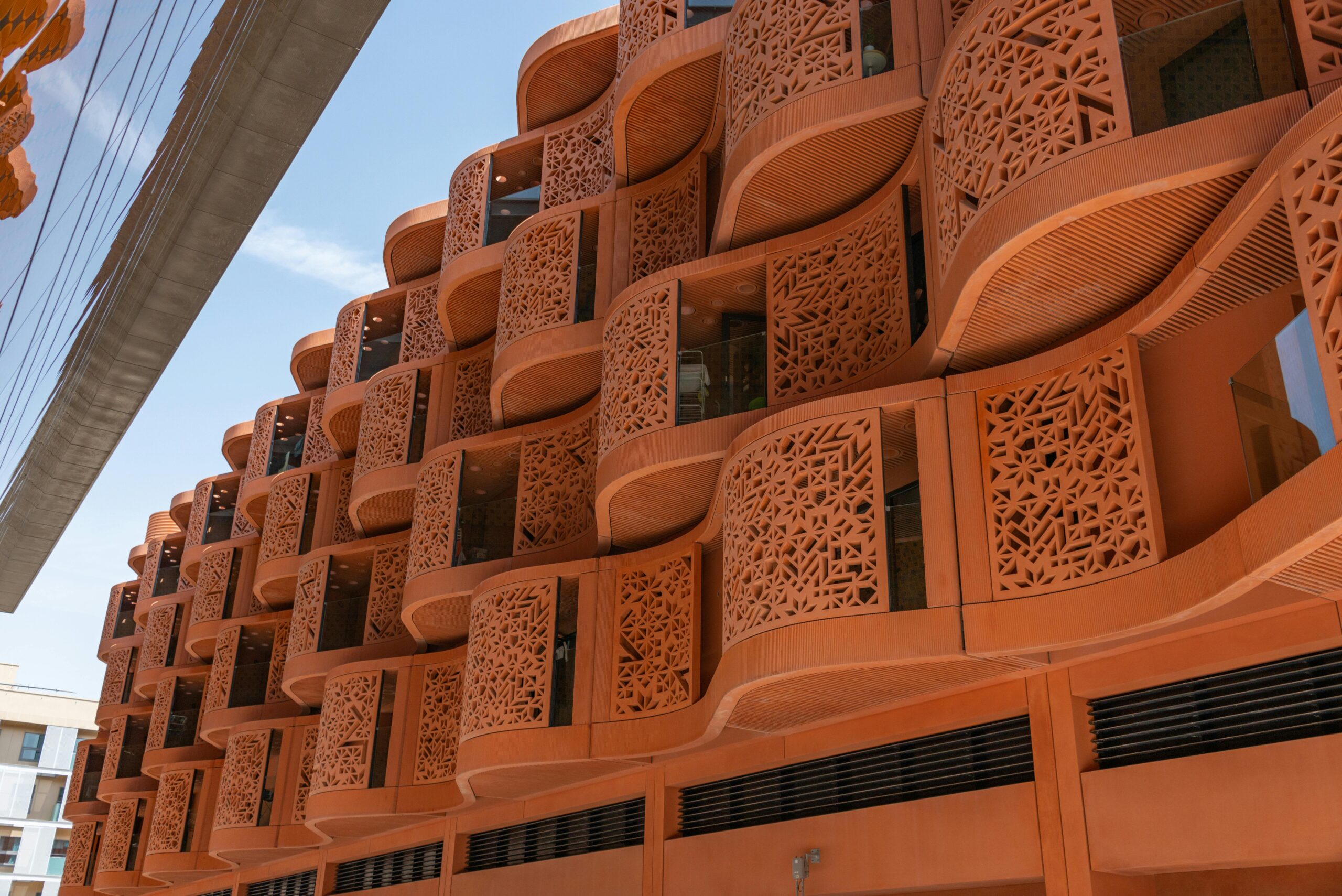
One of the most compelling aspects of bioclimatic shading systems is their remarkable design flexibility. Far from being purely functional additions, these systems have evolved into architectural statements that enhance building aesthetics while delivering performance benefits.
Contemporary bioclimatic solutions are available in diverse materials, finishes, and configurations. Whether your architectural style leans toward minimalist modernism, rustic charm, or classical elegance, there exists a shading solution that complements and elevates your design vision.
Material Options and Their Unique Characteristics
- Aluminum louvers: Lightweight, corrosion-resistant, and available in countless powder-coated colors, perfect for contemporary designs requiring minimal maintenance
- Wood slats: Offering natural warmth and organic texture, ideal for projects emphasizing sustainability and biophilic design principles
- Composite materials: Combining durability with aesthetic versatility, these modern materials resist weathering while mimicking natural appearances
- Fabric systems: Retractable shade sails and tension structures providing flexible coverage with sculptural visual appeal
- Glass louvers: Transparent or translucent options that maintain views while providing solar control and weather protection
The color palette available for bioclimatic shading has expanded dramatically in recent years. From subtle earth tones that blend seamlessly with natural surroundings to bold architectural statements in vibrant hues, customization options ensure perfect integration with existing design schemes.
Seasonal Adaptability: Year-Round Performance Excellence 🌞❄️
The true genius of bioclimatic shading lies in its seasonal responsiveness. These systems operate on principles that acknowledge the sun’s changing path throughout the year, adjusting coverage accordingly to optimize comfort during every season.
During summer months when the sun travels high across the sky, adjustable louvers can be positioned to provide complete shade coverage, blocking intense solar radiation that would otherwise heat interior spaces. This strategic blocking occurs precisely when and where needed, preventing greenhouse effects that turn rooms into ovens.
Spring and Autumn Optimization
Transitional seasons present unique challenges for climate control, with temperatures fluctuating significantly between morning and afternoon. Bioclimatic systems excel in these conditions, allowing morning sun to warm spaces naturally while providing afternoon shade as temperatures rise. This dynamic adjustment eliminates the constant thermostat manipulation typical of conventional systems.
Winter Solar Gain Maximization
When winter arrives and the sun traces a lower arc across the sky, bioclimatic louvers can be fully opened or positioned to welcome solar radiation. This passive heating strategy harnesses free natural energy, warming living spaces without activating heating systems. The effect is particularly pronounced in south-facing applications where winter sun angles provide maximum penetration.
🔧 Installation Considerations and System Integration
Successful bioclimatic shading implementation begins with careful planning and professional assessment. Several factors influence system selection and installation approach, including building orientation, local climate patterns, existing architectural features, and intended use of shaded spaces.
Professional installers typically conduct site analyses that evaluate sun path diagrams, prevailing wind directions, precipitation patterns, and seasonal temperature variations. This comprehensive assessment ensures the selected system delivers optimal performance specific to your location and needs.
Retrofit Versus New Construction
Bioclimatic shading systems can be successfully integrated into both existing structures and new construction projects. Retrofit installations may require additional structural reinforcement or creative mounting solutions, but modern systems are designed with adaptability in mind, offering mounting options for virtually any situation.
New construction projects benefit from incorporating bioclimatic principles from the initial design phase. This integrated approach allows for seamless structural integration, optimized orientation, and coordinated aesthetic treatment that makes shading systems appear as intentional architectural elements rather than afterthought additions.
Smart Technology Integration: The Future is Automated 📱
The intersection of bioclimatic design and smart home technology has created unprecedented opportunities for automated comfort management. Contemporary shading systems can integrate with home automation platforms, creating responsive environments that adjust automatically based on real-time conditions.
Weather sensors detect wind speed, temperature, sunlight intensity, and precipitation, triggering appropriate responses from motorized louvers or retractable systems. Sun sensors track solar position and intensity, adjusting shade coverage throughout the day without user intervention. Rain sensors automatically close systems to prevent water intrusion and protect outdoor living areas.
Remote Control and Scheduling Capabilities
Modern bioclimatic systems typically include smartphone applications that allow remote monitoring and control from anywhere. This connectivity enables homeowners to adjust shading while away from home, responding to unexpected weather changes or preparing spaces before arrival.
Scheduling features allow users to program automatic adjustments based on time of day, season, or specific weather conditions. These programmable routines ensure optimal performance without requiring constant attention, delivering efficiency benefits even when occupants are too busy to manually manage systems.
💰 Investment Analysis: Cost Versus Long-Term Value
The initial investment in bioclimatic shading systems varies considerably based on system complexity, materials selected, automation level, and installation requirements. Basic manual systems for small patios might begin around several thousand dollars, while comprehensive automated solutions for entire building facades can reach significantly higher price points.
However, evaluating cost requires considering the complete lifecycle value proposition. Energy savings accumulate month after month, year after year, gradually offsetting initial expenditure. Enhanced comfort, increased property value, reduced HVAC maintenance costs, and environmental benefits compound these financial returns.
| Cost Factor | Consideration | Long-term Impact |
|---|---|---|
| Initial Investment | System purchase and installation | Offset by energy savings over 5-10 years |
| Maintenance | Minimal annual servicing | Significantly lower than HVAC repairs |
| Energy Savings | Reduced cooling/heating costs | 15-40% reduction in climate control expenses |
| Property Value | Enhanced marketability | Increased resale value and buyer appeal |
🌍 Environmental Impact and Sustainability Credentials
Beyond personal comfort and financial benefits, bioclimatic shading systems contribute significantly to environmental sustainability. By reducing reliance on mechanical heating and cooling, these systems decrease fossil fuel consumption and associated greenhouse gas emissions.
The passive nature of bioclimatic design aligns perfectly with green building certifications such as LEED, BREEAM, and Passive House standards. Projects incorporating these systems often achieve higher sustainability ratings, qualifying for certifications that recognize environmental responsibility and resource efficiency.
Material selection within bioclimatic systems increasingly emphasizes recyclability and sustainable sourcing. Aluminum components are highly recyclable, wood options can be sourced from certified sustainable forests, and manufacturing processes continue advancing toward reduced environmental impact.
Maintenance Requirements: Keeping Systems Performing Optimally 🔨
One of the practical advantages of quality bioclimatic shading systems is their relatively minimal maintenance requirements. Unlike complex HVAC systems requiring regular professional servicing, most shading solutions need only basic periodic attention to maintain peak performance.
Typical maintenance involves occasional cleaning to remove accumulated dust or organic debris, inspection of moving parts for smooth operation, and verification that sensors and automated components function correctly. Many homeowners can perform these basic tasks themselves, though annual professional inspections are recommended for motorized systems.
Durability and Longevity
High-quality bioclimatic shading systems are engineered for decades of reliable service. Premium materials resist corrosion, UV degradation, and weather damage, maintaining both functional performance and aesthetic appeal throughout extended lifespans. This durability makes them excellent long-term investments that continue delivering value year after year.
Customization Possibilities: Tailoring Solutions to Unique Needs ✨
Every building presents unique challenges and opportunities for bioclimatic shading implementation. Professional system designers work closely with clients to develop customized solutions addressing specific requirements, architectural constraints, and personal preferences.
Customization extends beyond basic dimensions and colors. Louver blade angles can be calculated precisely for optimal solar geometry at specific latitudes. Opening mechanisms can be selected based on space constraints and user preferences. Control systems can be configured for individual operation patterns and integration with existing home automation infrastructure.
For complex projects involving multiple exposures or varied functional requirements, zoned systems allow independent control of different areas. South-facing entertainment spaces might prioritize maximum openness with automated sun tracking, while west-facing bedrooms emphasize afternoon shade and privacy.
Real-World Applications: From Residential to Commercial Success
Bioclimatic shading systems have proven successful across diverse application types. Residential installations transform patios, terraces, and entire building facades into comfortable, energy-efficient spaces that extend usable living areas throughout the year.
Commercial applications demonstrate even more dramatic benefits. Office buildings reduce cooling costs while improving occupant comfort and productivity. Restaurants and cafes create pleasant outdoor dining areas that operate comfortably across extended seasons. Retail spaces protect merchandise from sun damage while reducing climate control expenses.
Educational facilities, healthcare buildings, and hospitality venues increasingly incorporate bioclimatic principles, recognizing the multiple benefits these systems deliver for occupant wellbeing, operational efficiency, and environmental responsibility.
Making the Transition: Your Path to Bioclimatic Living 🚀
Implementing bioclimatic shading begins with education and assessment. Research available system types, explore design possibilities, and identify reputable manufacturers and installers in your region. Many companies offer virtual consultations or design tools that help visualize how systems would appear and perform on your specific property.
Request multiple quotes from qualified installers, ensuring proposals include detailed specifications, warranty information, and realistic performance expectations. Ask for references from previous clients and examine completed installations when possible to assess quality and aesthetic results.
Consider phasing implementation if budget constraints exist. Starting with highest-impact areas—typically south and west exposures in northern hemisphere locations—delivers immediate benefits while allowing future expansion as resources permit.
The transformation begins the moment these intelligent systems start working in harmony with natural forces, creating spaces that breathe with the seasons while keeping you comfortable year-round. Bioclimatic shading represents more than just climate control—it embodies a sophisticated, sustainable approach to modern living that respects environmental limits while enhancing human comfort.
As climate challenges intensify and energy consciousness grows, bioclimatic shading systems position your property at the forefront of sustainable design. The investment pays dividends in comfort, efficiency, aesthetics, and environmental stewardship, creating spaces that truly work with nature rather than struggling against it. Your journey toward energy-efficient, beautifully shaded living begins with a single decision to embrace this proven, time-tested approach to architectural climate control.