Imagine a home that powers itself, produces zero waste, and saves you thousands on energy bills. Sustainable closed-loop energy homes are transforming how we live, offering unprecedented independence from traditional power grids while protecting our planet.

The future of residential living is here, and it’s remarkably self-sufficient. Closed-loop energy systems represent a paradigm shift in home design, where every watt of power generated stays within your property’s ecosystem. These innovative homes don’t just reduce environmental impact—they eliminate it almost entirely, creating a harmonious balance between modern comfort and ecological responsibility. As energy costs continue rising and climate concerns intensify, homeowners worldwide are discovering that sustainable living isn’t just an idealistic dream but a practical, economically viable reality.
🏡 Understanding Closed-Loop Energy Systems: The Complete Picture
A closed-loop energy home operates on a brilliantly simple principle: generate all the power you need onsite, store excess energy efficiently, and minimize waste to near-zero levels. Unlike traditional homes that constantly draw from municipal power grids, these revolutionary dwellings function as independent energy ecosystems. The system integrates multiple renewable energy sources—primarily solar panels, but often including wind turbines, geothermal systems, and even micro-hydro installations where applicable.
The “closed-loop” designation refers to the circular nature of energy flow within the property. Energy generated during peak production times gets stored in advanced battery systems for use during low-production periods. Any surplus can be fed back into the grid in net-metering arrangements, effectively turning your home into a mini power station. The thermal energy from heating and cooling systems gets recaptured and redistributed, while greywater systems recycle household water for irrigation and non-potable uses.
Core Components That Make It Work
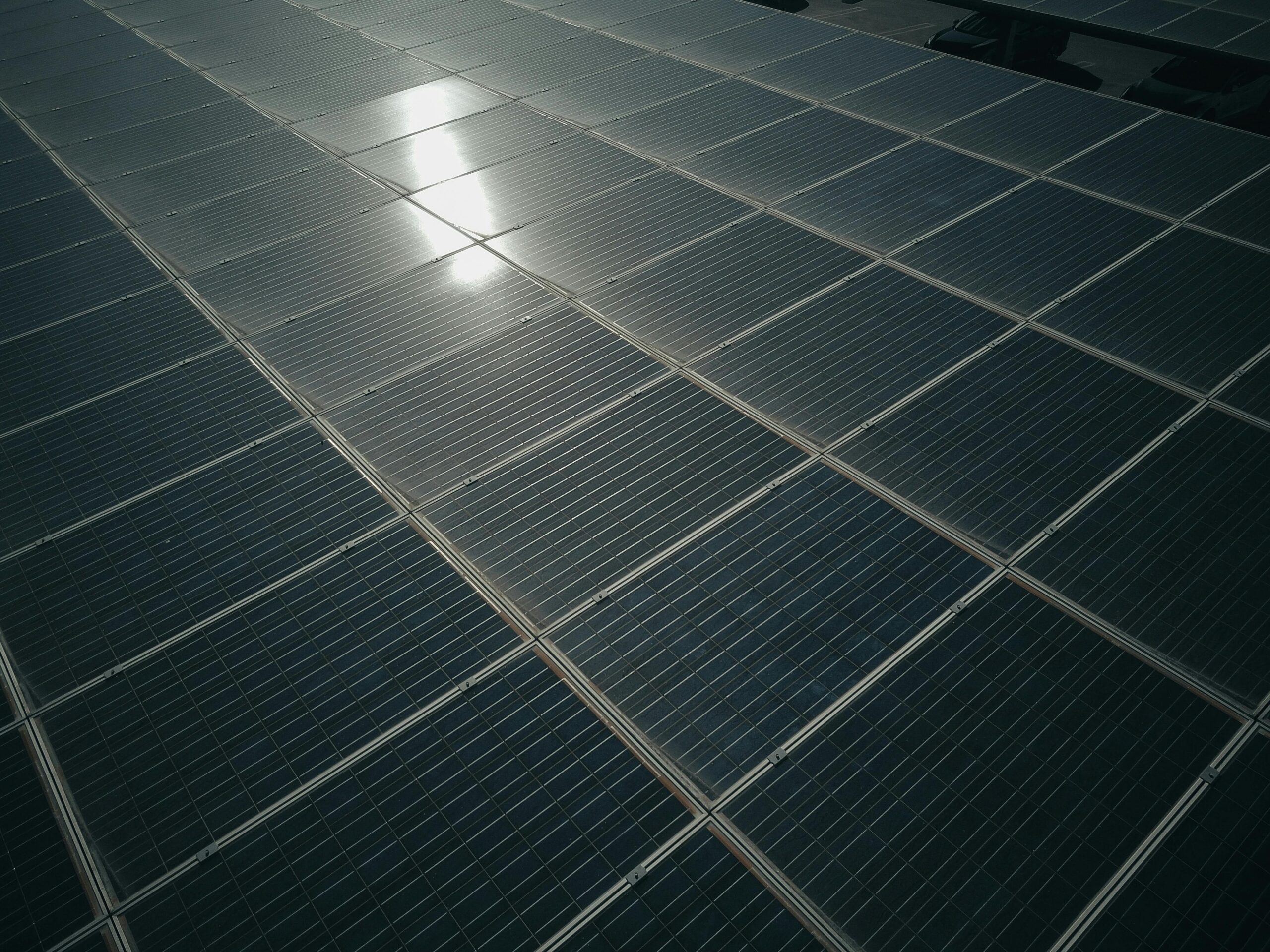
Every closed-loop energy home relies on several integrated technologies working in concert. Solar photovoltaic panels typically serve as the primary energy generator, with modern systems achieving efficiency rates exceeding 22%. These panels convert sunlight into electricity that immediately powers your home or charges storage batteries for later use.
Battery storage systems have evolved dramatically, with lithium-ion and emerging solid-state batteries providing capacity to power entire homes for days without sunlight. Smart energy management systems monitor production and consumption in real-time, optimizing distribution to maximize efficiency. High-performance insulation, triple-pane windows, and strategic architectural design minimize energy loss, reducing overall power requirements by 40-60% compared to conventional homes.
💰 The Economic Revolution: Breaking Down Long-Term Savings
The initial investment in closed-loop energy systems admittedly runs higher than traditional home construction—typically 15-30% more upfront. However, this perspective changes dramatically when examining lifetime costs. Homeowners typically achieve complete return on investment within 8-12 years, after which the home essentially operates at near-zero ongoing energy costs.
Consider a typical household spending $2,400 annually on electricity. Over a 25-year mortgage period, that’s $60,000 in utility costs—and that’s assuming rates remain stable, which historical data suggests is unlikely. Meanwhile, solar panel systems carry warranties of 25-30 years, with actual lifespans often exceeding 40 years. The mathematics become compelling: spend more initially to eliminate decades of recurring expenses.
Government Incentives and Financial Support
Federal, state, and local governments worldwide offer substantial incentives for sustainable home construction. In the United States, the federal solar tax credit currently allows homeowners to deduct 30% of solar installation costs from their federal taxes. Many states offer additional rebates, property tax exemptions, and performance-based incentives that can reduce initial costs by 40-50%.
Specialized green mortgages provide favorable lending terms for energy-efficient homes, recognizing that reduced utility costs improve homeowners’ ability to service debt. Some programs offer interest rate reductions of 0.25-0.50%, translating to thousands in savings over the loan lifetime. Property values consistently show 3-5% premiums for homes with renewable energy systems, protecting your investment while enjoying the benefits.
🌍 Environmental Impact: Measuring Your Carbon Footprint Reduction
The average American home produces approximately 7.5 tons of carbon dioxide annually through electricity consumption alone. A properly designed closed-loop energy home reduces this to essentially zero, delivering the environmental equivalent of planting 200 trees every single year. Multiply this across neighborhoods and communities, and the cumulative impact becomes transformative.
Beyond carbon emissions, these homes significantly reduce demand on aging electrical infrastructure, decreasing transmission losses that waste 5-8% of all generated power. Water conservation systems can reduce municipal water usage by 50-70%, alleviating stress on treatment facilities and natural water sources. The holistic approach addresses multiple environmental challenges simultaneously, creating synergistic benefits that extend far beyond individual properties.
Real-World Environmental Metrics
Data from existing closed-loop communities provides concrete evidence of environmental benefits. The BedZED development in London, one of the world’s first large-scale sustainable communities, demonstrated 81% reduction in heating requirements and 45% decrease in electricity consumption compared to traditional housing. Residents reduced personal vehicle use by 64% due to integrated community design that prioritized walkability and public transit access.
Similar projects in California, Germany, and Scandinavia report comparable results, with some achieving net-positive energy status—generating more power than they consume annually. These aren’t experimental prototypes but thriving communities where hundreds of families live comfortably while proving sustainable design works at scale.
⚡ Technology Integration: Smart Systems for Smarter Living
Modern closed-loop homes leverage sophisticated monitoring and automation systems that optimize energy production and consumption seamlessly. Smart home platforms track solar production, battery charge levels, weather forecasts, and household consumption patterns, making autonomous decisions to maximize efficiency. When your system predicts sunny weather tomorrow, it might run energy-intensive appliances today using stored power, knowing batteries will recharge fully.
Machine learning algorithms identify usage patterns and suggest optimizations. If your system notices the dishwasher typically runs at peak rate times, it might recommend scheduling during off-peak hours or when solar production exceeds consumption. These insights empower homeowners to make informed decisions without requiring technical expertise.
Mobile Apps That Put Control in Your Hands
Contemporary energy management systems include intuitive mobile applications providing real-time visibility into your home’s energy ecosystem. You can monitor solar production, battery status, individual appliance consumption, and overall efficiency from anywhere. These apps alert you to maintenance needs, unusual consumption patterns, or system anomalies before they become problems.
The best platforms visualize complex data through simple dashboards, showing daily, monthly, and annual trends. Gamification elements encourage energy-conscious behavior by setting goals and celebrating achievements. Some systems even facilitate community challenges where neighborhoods compete for efficiency improvements, fostering collective commitment to sustainability.
🔨 Design Principles: Building Your Closed-Loop Home
Creating an effective closed-loop energy home begins long before construction, starting with strategic site selection and orientation. Optimal solar exposure requires southern-facing roof surfaces in the Northern Hemisphere, with minimal shading from trees or neighboring structures. Passive solar design principles maximize natural heating and cooling, reducing mechanical system dependence.
Architectural features like thermal mass—concrete floors, stone walls—absorb heat during the day and release it at night, naturally regulating interior temperatures. Strategic window placement facilitates cross-ventilation, eliminating air conditioning needs in many climates. Overhangs and awnings block high summer sun while permitting low winter sun to enter, providing seasonal temperature control without energy consumption.
Material Selection for Maximum Efficiency
Building envelope performance determines how much energy you’ll need to maintain comfort. Advanced insulation materials like spray foam, structural insulated panels (SIPs), or aerogel provide R-values double or triple that of traditional fiberglass. Air-sealing techniques eliminate drafts that waste conditioned air, with blower door tests ensuring impermeability.
Window technology has advanced remarkably, with triple-pane argon-filled units achieving insulation values approaching walls. Low-emissivity coatings reflect infrared energy while transmitting visible light, keeping interiors cooler in summer and warmer in winter. These components work synergistically, creating envelopes so efficient that heating and cooling loads drop dramatically, often allowing smaller, less expensive HVAC systems.
🌤️ Solar Technology: Beyond Basic Panels
While photovoltaic panels remain the cornerstone of most closed-loop systems, solar technology encompasses diverse approaches. Building-integrated photovoltaics (BIPV) replace traditional roofing materials with solar shingles or tiles, eliminating separate panel installation while generating power. These aesthetically pleasing options address homeowner association restrictions and personal preferences without sacrificing functionality.
Solar thermal systems provide another dimension, using sunlight to heat water directly rather than generating electricity. These systems achieve efficiency rates exceeding 70%, far surpassing photovoltaic conversion rates. For homes with significant hot water demands, combining photovoltaic and thermal systems maximizes solar energy utilization across different applications.
Emerging Solar Innovations
Research laboratories and innovative companies continually push solar technology boundaries. Perovskite solar cells promise efficiency rates approaching 30% at dramatically reduced costs. Transparent solar windows could transform every glass surface into power generators without blocking views. Flexible solar films enable installation on curved surfaces, expanding placement options beyond traditional rigid panels.
Bifacial solar panels capture reflected light from ground surfaces, increasing output by 10-20% without additional space requirements. Tracking systems that follow the sun’s path throughout the day boost production by 25-35%, though added complexity and cost require careful evaluation. For serious solar enthusiasts, these advanced options maximize power generation from every available photon.
🔋 Energy Storage: The Battery Revolution
Reliable energy storage transforms intermittent renewable generation into consistent, on-demand power. Lithium-ion battery systems currently dominate the residential market, offering excellent energy density, declining costs, and improving longevity. Modern systems provide 10-15 kWh capacity—sufficient to power typical homes overnight—with modular designs allowing easy expansion as needs grow.
Battery management systems protect investments by preventing overcharging, excessive discharge, and temperature extremes that degrade performance. Intelligent algorithms learn household patterns, ensuring adequate reserves during peak demand while maximizing useful capacity. Warranties typically guarantee 70-80% capacity retention after 10 years, with actual performance often exceeding specifications.
Alternative Storage Technologies
Beyond lithium-ion, emerging technologies promise enhanced performance or specialized advantages. Flow batteries separate energy capacity from power output, allowing independent scaling of each characteristic. Saltwater batteries eliminate fire risks associated with lithium chemistry, appealing to safety-conscious homeowners. Compressed air and thermal storage systems provide unique solutions for specific applications or climate conditions.
For ultimate resilience, some homeowners integrate backup generators using renewable fuels like biodiesel or biogas. While reducing system purity, this pragmatic approach ensures absolute energy security during extended cloudy periods or equipment maintenance, providing peace of mind alongside sustainability.
💧 Water Systems: Closing the Loop Completely
True closed-loop homes extend sustainability beyond energy to encompass water resources. Rainwater harvesting systems collect precipitation from roofs, filtering and storing it for irrigation, toilet flushing, and with proper treatment, even potable use. In moderate rainfall regions, harvested water can meet 50-100% of household needs, dramatically reducing municipal demand.
Greywater recycling diverts relatively clean wastewater from showers, sinks, and washing machines for landscape irrigation. Simple systems distribute greywater directly through subsurface drip lines, while advanced installations include filtration and storage for more versatile applications. Combined with low-flow fixtures and water-efficient appliances, total water consumption can drop 70-80% compared to conventional homes.
🌱 Living in Your Closed-Loop Home: The Daily Experience
Residents of closed-loop energy homes consistently report that daily life differs surprisingly little from conventional housing—except for dramatically lower utility bills and profound satisfaction from sustainable living. Morning routines, entertainment, cooking, and all typical activities proceed normally, powered by clean energy generated steps from where it’s consumed.
The primary adjustments involve increased awareness of energy consumption and weather patterns. Residents become attuned to solar production cycles, often scheduling energy-intensive tasks like laundry during peak sunshine hours. This mindfulness extends beyond economics to environmental consciousness, fostering deeper appreciation for natural resources and ecological interdependence.
Maintenance and Long-Term Considerations
Closed-loop systems require minimal maintenance beyond standard homeownership tasks. Solar panels need occasional cleaning to maintain optimal efficiency, typically achieved by rain in most climates or periodic hosing in dusty regions. Battery systems operate maintenance-free, requiring only software updates and periodic professional inspections. HVAC systems, water filters, and other components need standard servicing comparable to conventional homes.
Long-term planning should account for eventual component replacement. Solar inverters typically last 10-15 years, batteries 10-20 years, and panels 30-40 years. Budgeting for these replacements ensures seamless operation throughout your homeownership, though declining costs suggest future replacements will cost significantly less than original installations.
🚀 Taking the First Steps Toward Energy Independence
Transitioning to a closed-loop energy home begins with education and assessment. Research local renewable energy potential, evaluating solar exposure, wind patterns, and geothermal viability. Consult with experienced sustainable architects and energy consultants who understand regional climate conditions and building codes. Many utilities offer free energy audits identifying efficiency improvements and renewable energy opportunities.
Consider whether new construction or retrofitting an existing home better suits your circumstances. New builds allow complete integration of sustainable systems from the foundation up, optimizing every design element. Retrofits work within existing structures, often focusing on highest-impact improvements like solar installation, insulation upgrades, and window replacement.
Financial planning should incorporate available incentives, long-term savings projections, and financing options. Multiple online calculators estimate solar system sizing, costs, and payback periods based on your location and consumption patterns. Speaking with homeowners who’ve already made the transition provides invaluable real-world insights beyond theoretical projections.
🌟 The Broader Impact: Communities Leading the Way
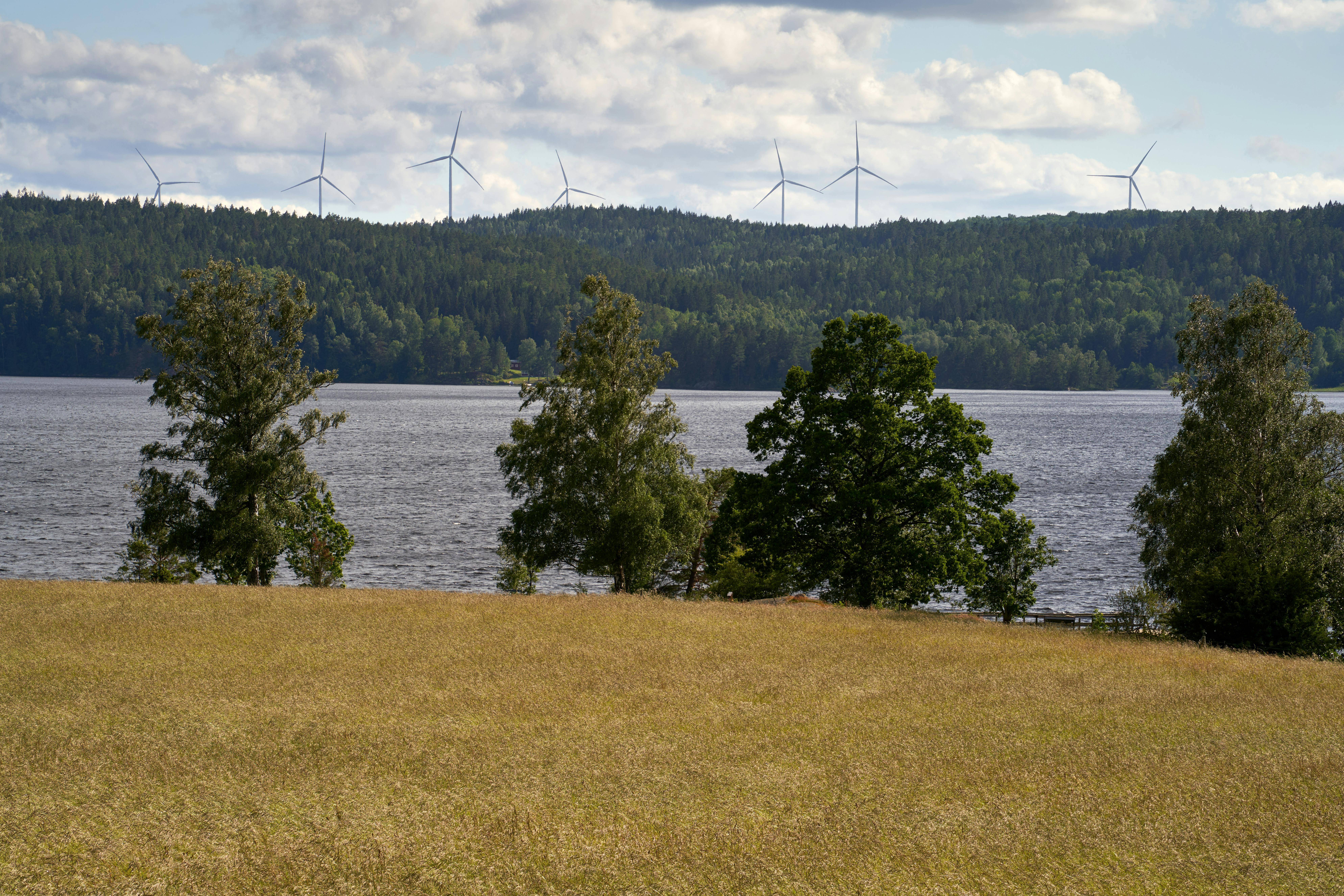
Individual closed-loop homes create impressive sustainability gains, but entire communities amplify these benefits exponentially. Planned sustainable developments incorporate shared renewable energy systems, distributed storage, microgrids, and integrated transportation solutions. These neighborhoods demonstrate how sustainable principles scale from individual homes to cohesive ecosystems.
Community-scale systems achieve economies unavailable to individual homeowners, reducing per-household costs while improving reliability through diversified generation and storage. Shared electric vehicle charging infrastructure, community gardens, and walkable designs further reduce environmental footprints. These developments prove sustainability and community thrive together, creating desirable living environments that attract residents committed to ecological responsibility.
The closed-loop energy home represents more than technological innovation—it embodies a fundamental reimagining of our relationship with energy, resources, and the environment. As climate challenges intensify and resource scarcity looms, these homes offer practical solutions that improve quality of life while protecting the planet. The revolution in residential sustainability isn’t coming—it’s already here, waiting for forward-thinking individuals ready to embrace energy independence and environmental stewardship. Your closed-loop home awaits, promising a future where comfort, economy, and ecology align perfectly. The only question remaining is: when will you make the leap? 🌍✨