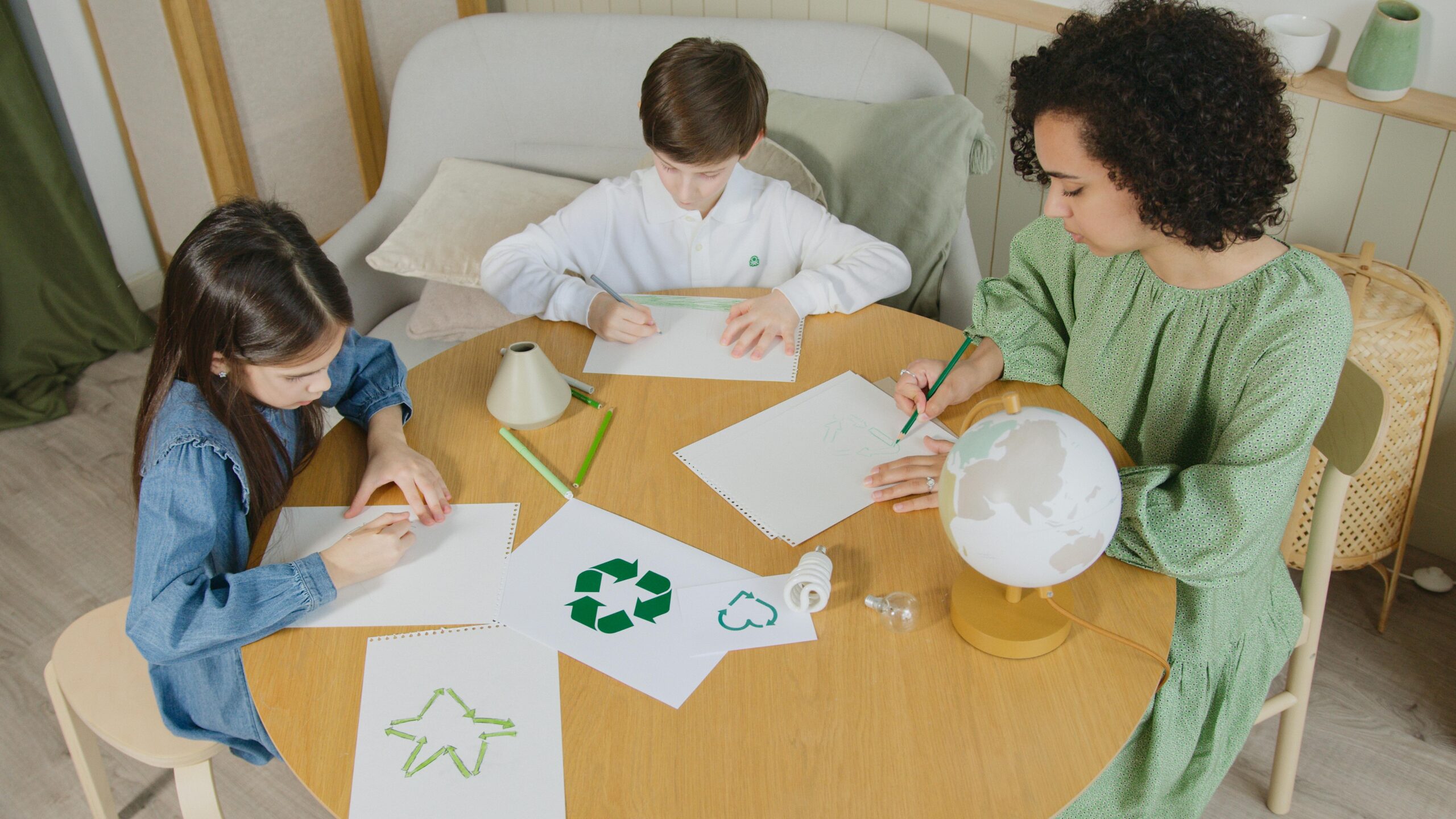
In today’s world, where environmental consciousness meets wellness awareness, the choice of materials we use in our living spaces has never been more critical. Organic surface treatments represent a revolutionary approach to home design, offering a sustainable alternative to synthetic products while promoting healthier indoor environments.

The shift toward natural, eco-friendly solutions isn’t just a trend—it’s a necessary evolution in how we interact with our surroundings. As we spend approximately 90% of our time indoors, the surfaces we touch, the air we breathe, and the materials surrounding us directly impact our health and well-being. Traditional surface treatments often contain volatile organic compounds (VOCs), harmful chemicals, and synthetic additives that can off-gas for years, contributing to indoor air pollution and various health issues.
🌿 Understanding Organic Surface Treatments: Nature’s Answer to Modern Living
Organic surface treatments are derived from natural, renewable sources such as plant oils, beeswax, natural resins, minerals, and botanical extracts. Unlike their synthetic counterparts, these treatments work harmoniously with natural materials like wood, stone, clay, and cork, enhancing their inherent beauty while providing protection and durability.
These eco-friendly solutions have been used for centuries across different cultures, long before the chemical industry introduced synthetic alternatives. Ancient civilizations understood the protective and aesthetic properties of natural oils and waxes, applying them to wooden furniture, floors, and architectural elements. Today, we’re rediscovering these time-tested methods, enhanced with modern understanding and application techniques.
The Science Behind Natural Protection
Natural oils like linseed, tung, and walnut oil penetrate deep into porous surfaces, nourishing the material from within rather than creating a plastic-like barrier on top. This allows wood to breathe naturally, regulating moisture content and preventing warping or cracking. Beeswax and carnauba wax add a protective layer that repels water while maintaining the tactile quality of the material.
Plant-based resins provide durability comparable to synthetic varnishes without the toxic chemicals. These natural polymers create flexible, breathable coatings that move with the material as it expands and contracts with temperature and humidity changes, resulting in longer-lasting finishes that don’t crack or peel.
🏡 Transforming Different Spaces: Room-by-Room Applications
Kitchen Surfaces: Where Safety Meets Functionality
The kitchen demands surface treatments that are both food-safe and durable enough to withstand constant use, moisture, and temperature variations. Organic treatments excel in this environment. Natural oil finishes on wooden countertops and cutting boards not only protect the wood but are completely non-toxic, making them safe for food preparation areas.
Mineral-based sealers work beautifully on natural stone countertops, enhancing the stone’s color while providing stain resistance without synthetic chemicals. These treatments maintain the stone’s natural breathability, preventing moisture from becoming trapped beneath the surface—a common cause of discoloration and deterioration with synthetic sealers.
Living Spaces: Creating Healthy Gathering Areas
Living rooms and common areas benefit tremendously from organic surface treatments on flooring, furniture, and wooden trim. Natural wax finishes on hardwood floors create a warm, inviting patina that deepens over time, telling the story of your home’s life. Unlike polyurethane finishes that can yellow and require complete removal before refinishing, organic treatments can be easily maintained with additional coats.
Furniture treated with plant-based oils develops a beautiful, touchable finish that improves with age. The natural treatment allows you to feel the wood’s texture rather than a plastic coating, creating a more authentic connection with your furnishings.
Bedrooms: Prioritizing Rest and Recovery
Since we spend a third of our lives sleeping, bedroom air quality is paramount. Organic surface treatments eliminate off-gassing chemicals that can disrupt sleep and affect respiratory health. Natural oils and waxes emit minimal odor during application and none once cured, creating a sanctuary free from chemical interference.
Children’s rooms particularly benefit from non-toxic surface treatments. Young children frequently touch surfaces and put their hands in their mouths, making chemical exposure a significant concern. Natural treatments provide peace of mind, knowing that all surfaces in their environment are safe.
💚 Health Benefits: Beyond Surface Beauty
The health advantages of organic surface treatments extend far beyond simply avoiding harmful chemicals. These natural products actively contribute to healthier indoor environments in multiple ways.
Improved Indoor Air Quality
Conventional surface treatments release VOCs that can persist for months or even years. These compounds contribute to “sick building syndrome,” causing headaches, respiratory irritation, dizziness, and fatigue. Organic treatments contain zero or minimal VOCs, significantly improving indoor air quality immediately and long-term.
Natural materials treated with organic products can actually help regulate indoor humidity levels. Wood finished with breathable natural oils absorbs excess moisture when humidity is high and releases it when the air is dry, creating a more comfortable and healthier living environment.
Reduced Allergies and Sensitivities
Many people develop sensitivities to synthetic chemicals found in conventional surface treatments. Symptoms range from mild irritation to severe allergic reactions. Organic alternatives eliminate these triggers, making homes more comfortable for everyone, especially those with chemical sensitivities, asthma, or allergies.
Enhanced Wellbeing Through Biophilic Design
Using natural materials and organic treatments aligns with biophilic design principles, which recognize humans’ innate connection to nature. Surfaces that look, feel, and smell natural create psychological benefits, reducing stress and promoting relaxation. The tactile experience of touching naturally finished wood or stone creates a sensory connection that synthetic finishes cannot replicate.
🌍 Environmental Impact: Choosing Sustainability
The ecological benefits of organic surface treatments extend throughout their entire lifecycle, from production to application to disposal.
Renewable Resources and Carbon Footprint
Natural oils, waxes, and resins come from renewable plant sources that sequester carbon during growth. Manufacturing these products requires significantly less energy than producing synthetic alternatives, resulting in a smaller carbon footprint. Many organic surface treatment manufacturers prioritize sustainable harvesting practices and use solar or renewable energy in production.
Biodegradability and Waste Reduction
When it’s time to refinish or dispose of surfaces treated with organic products, the impact is minimal. Natural treatments break down naturally without releasing toxic substances into soil or water. Sanding dust and waste from naturally treated surfaces are biodegradable, unlike synthetic finish waste, which requires special disposal procedures.
Water Conservation and Ecosystem Protection
Many organic surface treatments require less water for cleanup than conventional products. Natural soap and water typically suffice for cleaning application tools, whereas synthetic products often require harsh chemical solvents. This reduces water pollution and protects aquatic ecosystems from chemical contamination.
🛠️ Application Methods: Achieving Professional Results
Surface Preparation: The Foundation of Success
Proper preparation is crucial for optimal results with organic treatments. Surfaces must be clean, dry, and properly sanded. Unlike some synthetic products that can hide imperfections, natural treatments enhance the material’s character, making thorough preparation essential.
For wooden surfaces, progressive sanding with increasingly fine grits (typically 80, 120, and 220 grit) creates the ideal surface for oil penetration. Always sand in the direction of the grain to avoid visible scratches. Remove all dust thoroughly using a vacuum followed by a tack cloth.
Application Techniques for Different Products
Natural oil finishes should be applied liberally with a cloth or brush, allowing the oil to penetrate for 15-30 minutes, then wiping away excess. Multiple thin coats produce better results than single thick applications. Allow adequate drying time between coats—typically 24 hours, though this varies with temperature and humidity.
Wax applications require thin, even coats buffed to a shine after drying. Use circular motions for application and straight strokes for final buffing. Building up multiple thin layers creates depth and durability without the sticky residue that can result from applying too much wax at once.
Maintenance and Long-Term Care
One significant advantage of organic surface treatments is their ease of maintenance. Rather than requiring complete removal and reapplication, natural finishes can be refreshed with additional coats as needed. High-traffic areas may need annual touch-ups, while other areas can go years between treatments.
Regular cleaning with pH-neutral, plant-based soaps maintains the finish without degrading it. Avoid harsh chemical cleaners that can strip natural oils and waxes. For wooden floors, occasional buffing revitalizes the finish and extends time between major refinishing projects.
💡 Selecting the Right Products: A Buyer’s Guide
Reading Labels and Certifications
Not all products marketed as “natural” or “eco-friendly” meet rigorous standards. Look for third-party certifications such as EcoCert, USDA Organic, Green Seal, or Environmental Working Group verification. These certifications ensure products meet strict criteria for ingredient sourcing, manufacturing processes, and environmental impact.
Ingredient transparency is crucial. Reputable manufacturers list all ingredients clearly. Avoid products with vague terms like “natural fragrance” or “proprietary blend,” which can hide synthetic additives. The fewer ingredients listed, typically the better—authentic organic treatments often contain just a handful of recognizable components.
Matching Products to Surfaces
Different materials require specific treatments for optimal results. Dense hardwoods like maple or cherry benefit from tung oil, which penetrates slowly but provides excellent durability. Softer woods like pine absorb oils quickly and may require sealing coats to prevent over-absorption.
Stone surfaces need mineral-based sealers that won’t darken or alter the stone’s appearance. Cork and bamboo respond well to plant oil and wax combinations that maintain flexibility. Clay and plaster surfaces benefit from natural waxes that provide subtle sheen and stain resistance while allowing vapor transmission.
🔄 Cost Considerations: Investment vs. Value
Organic surface treatments typically cost more initially than conventional synthetic alternatives. However, evaluating true cost requires considering long-term value, health benefits, and environmental impact.
Long-Term Economic Benefits
Natural finishes often outlast synthetic alternatives when properly maintained. The ability to spot-treat and refresh rather than completely strip and refinish saves significant money over time. Materials treated with organic products tend to age more gracefully, maintaining value and avoiding premature replacement.
Health costs avoided through reduced chemical exposure, though difficult to quantify, represent genuine economic benefits. Fewer sick days, reduced allergy medications, and improved overall wellbeing contribute to the financial case for organic treatments.
DIY vs. Professional Application
Many organic surface treatments are user-friendly for DIY application, making professional installation unnecessary. This reduces labor costs while giving homeowners hands-on involvement in creating healthier spaces. However, large projects or unfamiliar techniques may benefit from professional expertise to ensure optimal results.
🌟 Real-World Success Stories: Transformation Examples
Numerous homeowners, businesses, and institutions have successfully transformed their spaces using organic surface treatments. Schools replacing synthetic floor finishes with natural alternatives report improved attendance and reduced respiratory complaints among students and staff. Restaurants using food-safe natural wood treatments on tables and bars create inviting, authentic dining environments while meeting health code requirements.
Historic preservation projects increasingly turn to traditional organic treatments that were originally used on antique structures. These treatments maintain authenticity while providing modern durability without damaging delicate original materials.
🚀 Future Innovations: Where Organic Treatments Are Heading
Research into bio-based materials continues advancing the performance and application of organic surface treatments. Scientists are developing enhanced natural resins with improved water resistance and durability. Nano-technology applications using natural materials promise even greater protection without synthetic additives.
The growing demand for sustainable building materials drives innovation in organic surface treatments. Manufacturers are exploring new plant sources, improved formulations, and application methods that make natural products even more accessible and effective.
🎯 Taking Action: Your Path to Natural Transformation
Starting your journey toward healthier, more sustainable spaces doesn’t require immediate wholesale changes. Begin with a single project—perhaps refinishing a piece of furniture or treating a small floor area with organic products. This hands-on experience builds confidence and demonstrates the tangible benefits of natural treatments.
Research local suppliers of organic surface treatment products. Many communities have specialty stores focusing on natural building materials, or online retailers offer extensive selections with detailed product information and support. Connect with others who’ve made the transition through online forums, social media groups, or local environmental organizations.
Consider consulting with green building professionals or natural finishes specialists for larger projects. Their expertise can help you navigate product selection, application techniques, and maintenance strategies tailored to your specific needs.
🌈 Embracing the Natural Alternative
The transformation from conventional to organic surface treatments represents more than an aesthetic choice—it’s a commitment to personal health, environmental stewardship, and sustainable living. Every surface treated with natural products becomes a statement of values, a contribution to cleaner indoor air, and a step toward a more balanced relationship with the natural world.
As awareness grows and more people experience the benefits firsthand, organic surface treatments are shifting from niche specialty to mainstream choice. This movement reflects a broader cultural transformation recognizing that technological progress doesn’t require sacrificing health or environmental quality. Instead, we’re rediscovering that nature often provides the most elegant, effective solutions to our needs.
The power of organic surface treatments lies not just in what they contain, but in what they exclude—the countless synthetic chemicals, toxic additives, and unsustainable practices that have characterized conventional products. By choosing natural alternatives, we create spaces that nurture rather than compromise our wellbeing, environments that connect us with nature rather than isolating us from it.
Your home, workspace, or any environment you inhabit can become a healthier, more vibrant place through conscious choices about the materials that surround you. The journey toward transformation begins with a single decision to prioritize health, sustainability, and natural beauty. As more individuals make this choice, the collective impact grows, creating demand that drives innovation, improves availability, and ultimately makes organic surface treatments the standard rather than the alternative. The future is naturally beautiful, and it begins with the surfaces we choose today.