
The future of sustainable materials is being reshaped by an ancient resource: plant fibers. These natural reinforcements are emerging as powerful alternatives to synthetic materials, offering environmental benefits that could transform industries worldwide.

As climate change accelerates and environmental concerns intensify, industries across the globe are searching for innovative solutions that reduce carbon footprints while maintaining performance standards. Plant-fiber reinforced systems represent a paradigm shift in material science, combining traditional agricultural resources with cutting-edge engineering to create composites that are both eco-friendly and remarkably effective. This revolution in sustainability isn’t just about replacing existing materials—it’s about reimagining how we build, manufacture, and consume in harmony with our planet.
🌱 Understanding Plant-Fiber Reinforced Systems
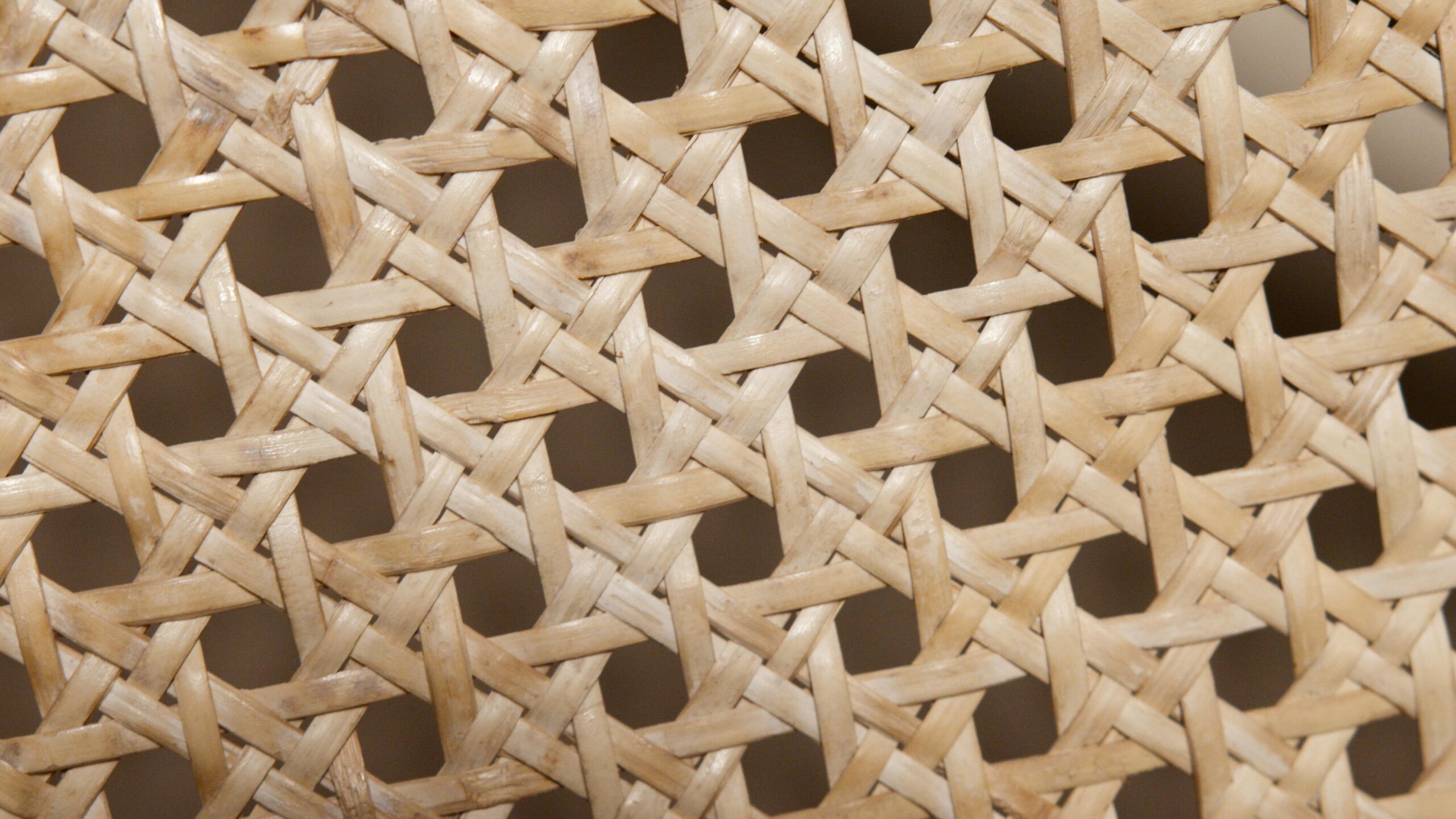
Plant-fiber reinforced composites are materials that combine natural fibers extracted from plants with binding matrices to create strong, lightweight, and sustainable alternatives to conventional synthetic composites. These systems utilize fibers from various sources including hemp, flax, jute, bamboo, kenaf, sisal, and even agricultural waste products like rice husks and wheat straw.
The mechanics behind these systems are fascinating. Natural fibers provide tensile strength and stiffness when embedded in polymer matrices, which can be either bio-based or petroleum-derived. The resulting composite materials exhibit impressive mechanical properties while maintaining significant environmental advantages over traditional glass or carbon fiber reinforced plastics.
The Science Behind Natural Fiber Reinforcement
Plant fibers contain cellulose, hemicellulose, and lignin—organic polymers that provide structural integrity to plant cell walls. Cellulose microfibrils, arranged in a hierarchical structure, deliver exceptional strength-to-weight ratios. When properly processed and oriented, these fibers can reinforce polymeric matrices effectively, creating materials suitable for demanding applications.
The interfacial bonding between natural fibers and matrix materials is critical to composite performance. Surface treatments and chemical modifications enhance fiber-matrix adhesion, improving load transfer and overall mechanical properties. Researchers continue developing innovative treatment methods that optimize this interaction while maintaining the environmental benefits of natural fibers.
Environmental Advantages That Matter 🌍
The environmental case for plant-fiber reinforced systems is compelling and multifaceted. These materials offer substantial reductions in carbon emissions throughout their lifecycle compared to conventional synthetic composites. Carbon sequestration during plant growth partially offsets manufacturing emissions, resulting in materials with significantly lower carbon footprints.
Biodegradability represents another crucial advantage. Unlike synthetic fibers that persist in landfills for centuries, many plant-fiber composites can decompose naturally at end-of-life, reducing long-term environmental impact. This characteristic aligns perfectly with circular economy principles, where materials return to biological cycles rather than accumulating as waste.
Resource Efficiency and Agricultural Synergies
Plant fiber production requires considerably less energy than manufacturing glass or carbon fibers. The cultivation of fiber crops can integrate with existing agricultural systems, providing farmers with additional revenue streams while improving soil health through crop rotation. Agricultural residues that would otherwise be burned or discarded become valuable raw materials, transforming waste into resources.
Water consumption and chemical usage in natural fiber processing, while requiring attention, generally compare favorably to synthetic fiber production when managed responsibly. Innovations in processing technologies continue reducing environmental impacts, making plant-fiber systems increasingly sustainable throughout their entire value chain.
Performance Characteristics and Applications 💪
Modern plant-fiber reinforced composites deliver performance characteristics that surprise those accustomed to dismissing natural materials as inferior. Specific strength—strength per unit weight—often rivals synthetic alternatives, making these materials particularly attractive for applications where weight reduction matters.
Acoustic and thermal insulation properties of natural fibers exceed those of glass fibers, providing additional functional benefits in building and automotive applications. Vibration damping characteristics make plant-fiber composites ideal for applications requiring noise reduction and comfort enhancement.
Automotive Industry Transformation
The automotive sector has enthusiastically embraced plant-fiber composites, particularly in interior components, door panels, dashboards, and trunk liners. Major manufacturers including BMW, Mercedes-Benz, Ford, and Toyota incorporate natural fiber reinforced plastics extensively, achieving weight reductions that improve fuel efficiency while reducing environmental impact.
Hemp and flax fiber composites now appear in structural applications beyond cosmetic panels. Hood liners, seat backs, and underbody shields demonstrate the expanding confidence in natural fiber performance. As electric vehicles proliferate, lightweight plant-fiber components help offset battery weight, extending range and efficiency.
Construction and Building Materials
Construction applications for plant-fiber reinforced systems span structural elements, insulation materials, and architectural finishes. Bio-based composite panels offer excellent thermal performance with lower embodied energy than conventional building materials. Hemp-lime composites provide both structural and insulation functions while sequestering carbon throughout building lifespans.
Bamboo-reinforced concrete and natural fiber reinforced polymer rebars present alternatives to steel reinforcement in certain applications, particularly where corrosion resistance matters. These innovations address both sustainability concerns and practical performance requirements in challenging environments.
Economic Viability and Market Growth 📈
The economic landscape for plant-fiber reinforced systems continues improving as technologies mature and markets expand. Production costs have declined significantly over the past decade, narrowing price gaps with conventional materials. In some applications, natural fiber composites now compete directly on cost while delivering environmental benefits as added value.
Global market analysis projects substantial growth for natural fiber composites, with compound annual growth rates exceeding 10% through 2030. European markets lead adoption, driven by regulatory frameworks favoring sustainable materials, but North American and Asian markets show accelerating interest.
Investment and Innovation Ecosystems
Venture capital and corporate investment in plant-fiber technologies signal confidence in commercial viability. Startups developing novel processing techniques, fiber treatments, and application-specific formulations attract funding from sustainability-focused investors and traditional materials companies alike.
Government support through research grants, tax incentives, and procurement preferences accelerates market development. Policy frameworks recognizing the environmental benefits of bio-based materials create favorable conditions for plant-fiber composite adoption across industries.
Technical Challenges and Solutions 🔧
Despite impressive progress, plant-fiber reinforced systems face technical challenges that require ongoing innovation. Moisture sensitivity remains a primary concern, as natural fibers absorb water, potentially degrading mechanical properties and promoting biological degradation. Surface treatments, matrix selection, and protective coatings mitigate these issues, with hydrophobic treatments showing particular promise.
Variability in natural fiber properties—resulting from growing conditions, harvesting timing, and processing methods—complicates consistent composite production. Standardization efforts, quality control protocols, and advanced characterization techniques help manufacturers manage this variability, ensuring reliable performance.
Processing Technology Advancements
Manufacturing technologies specifically adapted for plant-fiber composites continue evolving. Compression molding, resin transfer molding, and injection molding techniques modified for natural fibers enable efficient production at commercial scales. Continuous fiber processing systems improve fiber orientation control, enhancing mechanical properties.
Automated fiber placement technologies adapted from aerospace composites manufacturing now accommodate natural fibers, enabling complex geometries and optimized fiber architectures. These advanced manufacturing capabilities expand application possibilities while improving production efficiency.
Life Cycle Assessment and True Sustainability 🔄
Comprehensive life cycle assessment reveals the genuine sustainability advantages of plant-fiber reinforced systems while identifying areas requiring improvement. Cradle-to-grave analyses consistently show reduced global warming potential, lower fossil fuel consumption, and decreased environmental acidification compared to glass fiber composites.
End-of-life scenarios significantly influence overall sustainability profiles. Composites designed for biodegradation or mechanical recycling demonstrate superior environmental performance across all impact categories. Thermoplastic matrix systems enable reprocessing, while thermoset composites require alternative end-of-life strategies such as thermal energy recovery or fiber reclamation.
Circular Economy Integration
Plant-fiber composites align naturally with circular economy principles when designed appropriately. Bio-based matrices combined with natural fibers create fully renewable material systems that can return to biological cycles. Agricultural waste streams become feedstocks, closing loops and eliminating waste from production systems.
Industrial symbiosis opportunities emerge where composite manufacturers locate near agricultural processing facilities, minimizing transportation impacts while securing reliable fiber supplies. These integrated systems optimize resource efficiency throughout value chains.
Future Horizons and Emerging Applications 🚀
The trajectory for plant-fiber reinforced systems points toward expanding applications and enhanced performance. Aerospace applications, traditionally conservative regarding material selection, now explore natural fiber composites for non-critical components. Cabin interiors, cargo liners, and secondary structures represent entry points where weight savings and fire performance matter.
Consumer electronics manufacturers investigate plant-fiber composites for housings and structural components, attracted by aesthetics, environmental credentials, and functional properties. Smartphones, laptops, and wearable devices could soon incorporate visible natural fibers as design elements that communicate sustainability commitments.
Nanotechnology and Hybrid Systems
Nanocellulose extraction from plant fibers represents a frontier technology with transformative potential. These nanoscale fibers exhibit exceptional mechanical properties, approaching theoretical strength limits of cellulose chains. Nanocellulose-reinforced composites, transparent films, and aerogels demonstrate capabilities impossible with conventional fibers.
Hybrid reinforcement systems combining natural and synthetic fibers optimize performance-cost-sustainability trade-offs. Strategic placement of each fiber type according to loading requirements creates composites that perform efficiently while maximizing renewable content.
Policy Frameworks and Industry Standards 📋
Regulatory environments increasingly favor bio-based materials through various mechanisms. Extended producer responsibility legislation incentivizes recyclable and biodegradable materials. Public procurement policies in several jurisdictions specify minimum bio-based content, creating guaranteed markets for plant-fiber products.
Standardization efforts through international organizations establish testing protocols, performance criteria, and certification schemes specific to natural fiber composites. These standards facilitate market acceptance by providing designers and engineers with reliable performance data and quality assurance mechanisms.
Certification and Transparency
Third-party certification programs verify sustainability claims, combating greenwashing while building consumer confidence. Chain-of-custody tracking ensures fibers originate from responsibly managed agricultural systems. Transparency throughout supply chains becomes increasingly important as sustainability scrutiny intensifies.
Environmental product declarations provide standardized, verified information about life cycle environmental impacts, enabling informed comparisons between materials. These tools support evidence-based decision-making in material selection processes across industries.
Empowering the Green Transition 🌿
Plant-fiber reinforced systems represent more than materials innovation—they embody a fundamental shift toward bio-based economies that work with natural systems rather than against them. This transformation requires collaboration among farmers, researchers, manufacturers, designers, policymakers, and consumers, each playing essential roles in realizing sustainability potential.
Education and awareness initiatives help stakeholders understand natural fiber capabilities and appropriate applications. Professional training programs develop expertise in bio-based composite design, processing, and application. As knowledge spreads, adoption accelerates, creating positive feedback loops that drive further innovation and cost reduction.
The transition toward plant-fiber reinforced systems proceeds not through wholesale replacement of synthetic materials, but through strategic substitution where natural fibers offer superior overall value propositions. This nuanced approach recognizes that different applications demand different material solutions, with plant fibers excelling in specific contexts.
Cultivating Sustainable Material Futures 🌾
The revolution in plant-fiber reinforced systems demonstrates that high-performance materials and environmental responsibility need not conflict. These natural composites prove that innovation inspired by ecological principles can deliver technical excellence while healing rather than harming our planet.
Success stories accumulate across industries, building momentum toward broader adoption. Each application validates natural fiber performance while demonstrating environmental benefits, encouraging additional companies to explore these materials. This expanding adoption creates economies of scale that improve economic competitiveness, accelerating the transition.
Investment in research and development continues unlocking new possibilities, addressing current limitations while discovering novel applications. The knowledge base surrounding plant-fiber composites deepens yearly, supported by interdisciplinary collaboration that connects agricultural science, polymer chemistry, mechanical engineering, and environmental science.
As climate imperatives intensify and resource constraints tighten, plant-fiber reinforced systems offer pathways toward industrial processes that regenerate rather than deplete. These materials embody the possibility of manufacturing systems that operate within planetary boundaries while meeting human needs for durable, functional products.
The power of plant-fiber reinforced systems lies not only in their technical capabilities but in their representation of harmonious relationships between human industry and natural systems. By harnessing the structural brilliance that plants have evolved over millions of years, we access sustainable solutions that have literally been growing around us, waiting for recognition and application. The greener future these materials enable is not merely aspirational—it is achievable, practical, and increasingly inevitable as awareness spreads and technologies mature. The revolution in sustainability through plant-fiber systems has begun, and its potential to reshape our material world grows stronger with each innovation and application.