The architectural landscape is undergoing a profound transformation as designers and builders embrace low-energy façade design to create buildings that are both environmentally responsible and visually stunning. This revolution in building exteriors represents more than just an aesthetic choice—it’s a fundamental shift toward sustainable construction practices.

Modern architecture faces a critical challenge: balancing energy efficiency with design innovation while meeting the growing demands for comfortable, beautiful spaces. Low-energy façades have emerged as the solution, offering unprecedented opportunities to reduce carbon footprints without compromising on style or functionality.
🌍 Understanding the Foundation of Low-Energy Façade Systems
Low-energy façade design represents a holistic approach to building envelopes that minimizes energy consumption while maximizing comfort and aesthetic appeal. These systems integrate multiple technologies and materials to control heat transfer, manage natural light, and reduce the overall energy demand of buildings.
The concept extends beyond simple insulation. It encompasses intelligent material selection, strategic orientation, advanced glazing technologies, and dynamic shading systems. Each element works in harmony to create a building skin that responds to environmental conditions while maintaining architectural integrity.
At its core, low-energy façade design recognizes that a building’s exterior is not merely a protective shell but an active participant in energy management. This perspective has revolutionized how architects approach design, transforming façades from passive barriers into dynamic, responsive systems.
The Science Behind Energy-Efficient Building Envelopes
The effectiveness of low-energy façades relies on fundamental thermodynamic principles. Heat transfer occurs through conduction, convection, and radiation, and successful façade design addresses all three mechanisms simultaneously. High-performance insulation materials reduce conductive heat loss, while air-tight construction details minimize convective losses.
Radiative heat transfer, particularly through windows, presents unique challenges and opportunities. Advanced glazing technologies featuring low-emissivity coatings, gas-filled cavities, and multiple panes can reduce heat transfer by up to 70% compared to traditional single-pane windows while still allowing natural light to penetrate interior spaces.
💡 Innovative Materials Driving the Façade Revolution
The materials revolution has provided architects with an unprecedented palette of options for creating low-energy façades. These materials combine thermal performance with aesthetic versatility, enabling designs that were impossible just decades ago.
High-performance insulation materials such as vacuum insulated panels (VIPs), aerogels, and phase-change materials (PCMs) offer exceptional thermal resistance in remarkably thin profiles. This allows designers to achieve superior energy performance without sacrificing valuable interior space or creating bulky exterior walls.
Advanced cladding systems integrate thermal mass, insulation, and weatherproofing into single assemblies that can be quickly installed while ensuring consistent performance. Materials like fiber-cement, terracotta, and engineered wood products offer durability and visual appeal alongside excellent thermal properties.
Smart Glass and Dynamic Glazing Technologies
Electrochromic and thermochromic glass technologies represent perhaps the most exciting developments in façade design. These “smart” glazing systems can automatically adjust their tint in response to sunlight intensity, reducing cooling loads while maintaining views and natural light access.
Photovoltaic glazing integrates solar energy generation directly into the building envelope, transforming windows from energy liabilities into energy assets. Building-integrated photovoltaics (BIPV) can be incorporated into spandrel panels, vision glass, and even transparent façade elements, generating clean electricity while serving traditional façade functions.
🏗️ Design Strategies for Maximum Energy Performance
Successful low-energy façade design requires careful consideration of building orientation, climate conditions, and programmatic requirements. Strategic design decisions made early in the project can have profound impacts on long-term energy performance and occupant comfort.
Passive solar design principles guide façade composition, with south-facing exposures (in the northern hemisphere) maximizing winter heat gain while incorporating shading to prevent summer overheating. East and west façades require more aggressive shading strategies to manage low-angle morning and afternoon sun.
Thermal zoning strategies vary façade performance characteristics based on exposure and internal program requirements. High-performance envelopes on north-facing walls minimize heat loss, while more transparent south façades capture beneficial solar gain during heating seasons.
Integrated Shading Systems and Light Management
External shading devices provide the most effective solar control by intercepting radiation before it reaches the building envelope. Fixed louvers, operable screens, and vegetation all offer shading while contributing to architectural expression. The geometry and spacing of these elements require careful calculation to balance solar control with daylight access and views.
Internal shading systems, while less thermally effective than external solutions, offer flexibility and user control. Automated blinds linked to building management systems can optimize positions throughout the day, reducing cooling loads while maintaining adequate daylight levels for occupant comfort and productivity.
🔧 Technical Considerations and Performance Metrics
Quantifying façade performance requires understanding multiple metrics that collectively describe thermal, optical, and energy characteristics. U-values measure overall thermal transmittance, with lower numbers indicating better insulation performance. High-performance façades achieve U-values below 0.15 W/m²K, compared to 2.0 W/m²K or higher for traditional construction.
Solar Heat Gain Coefficient (SHGC) describes how much solar radiation passes through glazing systems. Optimal SHGC values vary by climate and orientation—heating-dominated climates benefit from higher values that capture beneficial solar gain, while cooling-dominated regions require lower values to minimize unwanted heat gain.
Air tightness, measured in air changes per hour at 50 Pascals pressure difference (ACH50), critically impacts actual energy performance. Even well-insulated façades lose effectiveness if air leakage allows unconditioned outdoor air to infiltrate. High-performance buildings achieve ACH50 values below 1.0, compared to 5.0 or higher in conventional construction.
Computational Tools and Performance Simulation
Advanced building energy modeling software allows designers to test façade strategies virtually before construction begins. Programs like EnergyPlus, DesignBuilder, and IES VE simulate annual energy performance under actual weather conditions, enabling optimization of façade design for specific climate contexts.
Computational fluid dynamics (CFD) analysis reveals air movement patterns around buildings, informing natural ventilation strategies and identifying potential thermal bridges. Daylight simulation tools like Radiance help balance natural light access with glare control and solar heat gain management.
🎨 Aesthetic Innovation in Sustainable Façade Design
The misconception that energy efficiency requires aesthetic compromise has been thoroughly debunked by contemporary projects that prove sustainability and striking design go hand in hand. Low-energy façades offer rich opportunities for architectural expression through material texture, pattern, transparency, and dynamic movement.
Parametric design tools enable the creation of complex geometries that optimize performance while creating distinctive visual identities. Algorithmically-generated shading patterns can respond to specific solar angles while creating intricate shadow play that animates building surfaces throughout the day.
Material authenticity and tactile quality have returned to prominence as alternatives to generic curtain wall systems. Natural materials like wood, stone, and terracotta offer visual warmth and connection to place while delivering excellent thermal performance when properly detailed.
Case Studies in Beautiful, Efficient Design
The Bullitt Center in Seattle demonstrates how aggressive energy targets can inspire architectural innovation. Its operable windows, external shading, and photovoltaic canopy create a distinctive profile while achieving net-zero energy performance. The building proves that sustainability can be celebrated rather than concealed.
The Edge in Amsterdam showcases how technology integration enhances both performance and aesthetics. Its intelligent façade responds to occupancy patterns and weather conditions, optimizing comfort while minimizing energy use. The sleek, modern exterior communicates innovation and environmental responsibility.
💰 Economic Considerations and Return on Investment
While high-performance façades typically involve higher initial costs than conventional systems, lifecycle economic analysis consistently demonstrates their financial wisdom. Energy savings accumulate over decades, often resulting in payback periods of 5-15 years depending on climate, energy costs, and specific technologies employed.
Beyond direct energy savings, low-energy façades provide substantial indirect economic benefits. Enhanced occupant comfort and daylight access improve productivity in workplace settings, with studies showing increases of 10-25% in employee performance. Retail environments with well-designed façades report increased sales and customer dwell time.
Property values reflect market recognition of superior building performance. High-performance buildings command premium rents, experience lower vacancy rates, and maintain value better than conventional counterparts. Green building certifications like LEED and BREEAM, often enabled by excellent façade design, provide market differentiation and reputational advantages.
Incentives and Policy Drivers
Government policies increasingly mandate improved building performance, making high-efficiency façades not just advisable but required. Energy codes in progressive jurisdictions now require performance levels achievable only through comprehensive façade strategies. Early adoption positions developers advantageously as regulations tighten.
Financial incentives including tax credits, accelerated depreciation, and utility rebates can offset initial cost premiums. Many jurisdictions offer expedited permitting or density bonuses for high-performance buildings, providing additional economic motivation beyond energy savings alone.
🌱 Environmental Impact and Carbon Reduction
Buildings account for approximately 40% of global energy consumption and carbon emissions, with building envelopes playing a pivotal role in this impact. Low-energy façades directly address climate change by dramatically reducing operational carbon emissions—often by 50-80% compared to code-minimum construction.
Embodied carbon in façade materials represents another critical consideration. Material selection should balance operational efficiency with production impacts, favoring materials like timber that sequester carbon, or recycled content that reduces extraction and processing demands.
The durability and adaptability of façade systems influence long-term environmental performance. Designs that accommodate future modifications without complete replacement minimize waste and resource consumption over building lifetimes that may span a century or more.
🔮 Future Trends and Emerging Technologies
Responsive façade systems that actively adapt to changing conditions represent the next frontier in building envelope design. Kinetic façades with moving components adjust configuration based on sun position, temperature, and occupancy patterns. While still relatively rare due to mechanical complexity and cost, these systems demonstrate the potential for façades that truly interact with their environment.
Nanomaterial applications promise revolutionary improvements in façade performance. Self-cleaning coatings reduce maintenance while preserving appearance. Transparent insulation materials may soon deliver R-values rivaling opaque walls while maintaining visual transparency.
Artificial intelligence and machine learning enable façades that learn from experience and continuously optimize performance. Predictive algorithms anticipate occupancy patterns and weather conditions, preemptively adjusting shading, ventilation, and thermal storage systems for maximum efficiency and comfort.
Biophilic and Living Façades
Green façades and living walls integrate vegetation directly into building envelopes, providing multiple benefits including thermal insulation, evaporative cooling, air quality improvement, and biodiversity support. These systems connect building occupants with nature while contributing to urban heat island mitigation and stormwater management.
Advances in cultivation systems and plant selection are making living façades more viable across diverse climates. Integrated irrigation and fertigation systems maintain plant health with minimal maintenance, while careful species selection ensures year-round visual appeal and performance.
✨ Embracing the Façade Revolution for Tomorrow’s Buildings
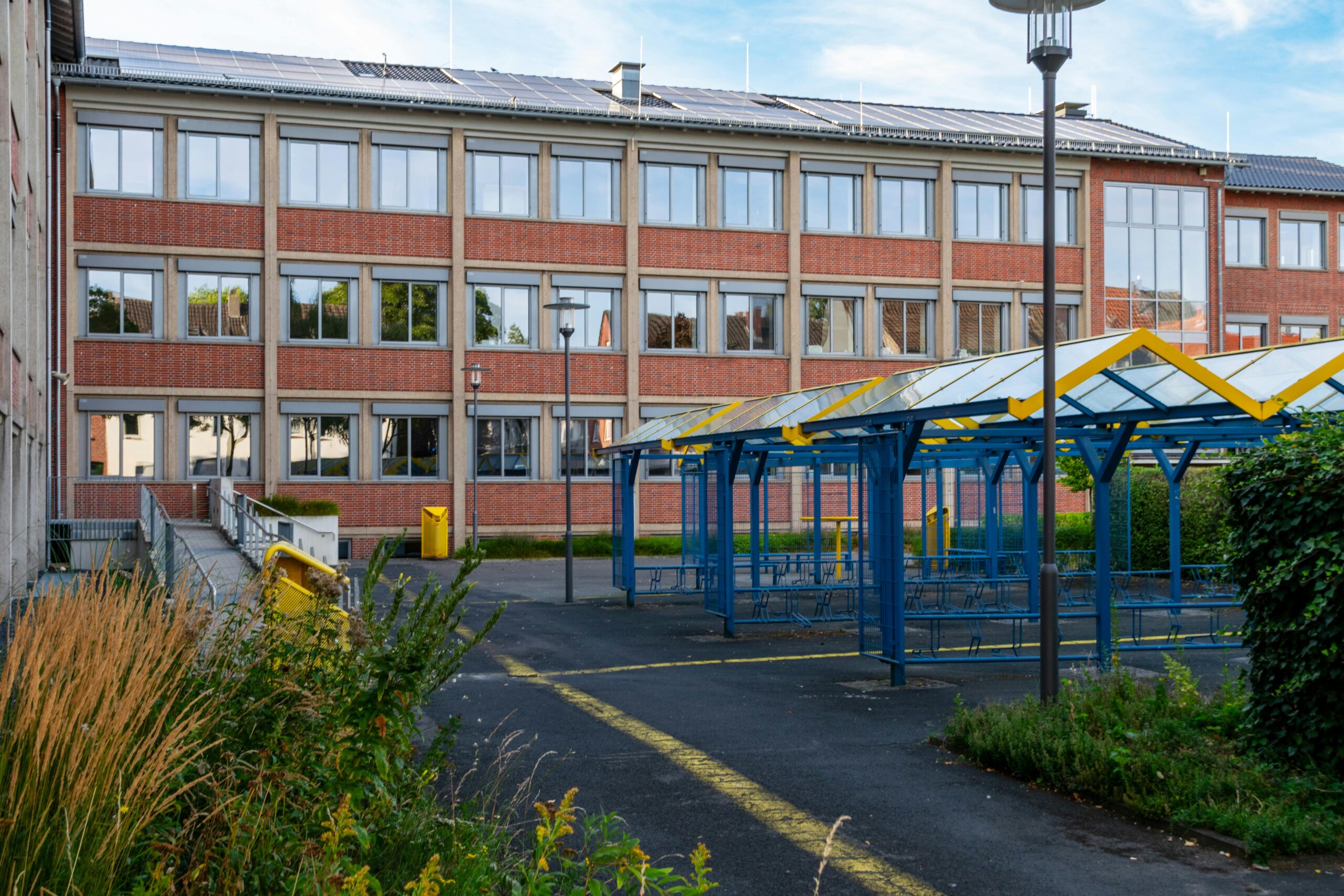
The transformation of building façades from simple weather barriers to sophisticated, high-performance climate mediators represents one of architecture’s most significant evolutionary steps. This revolution reflects growing awareness that buildings must actively contribute to environmental solutions rather than merely minimizing their negative impacts.
Success requires collaboration among architects, engineers, contractors, and material suppliers throughout the design and construction process. Integrated design approaches that consider façade performance from project inception yield far superior results compared to late-stage value engineering that compromises carefully balanced systems.
Education and knowledge sharing accelerate adoption of best practices. As more designers and builders gain experience with high-performance façades, techniques become refined and costs decrease through economies of scale and supply chain development. Each successful project demonstrates possibilities and builds confidence for future innovations.
The buildings we design today will shape urban environments and influence climate outcomes for generations to come. Low-energy façades offer proven strategies for creating structures that are simultaneously more sustainable, more comfortable, more economical, and more beautiful than their predecessors. This powerful combination ensures that façade innovation will continue driving architectural evolution toward a more sustainable and stylish built environment.