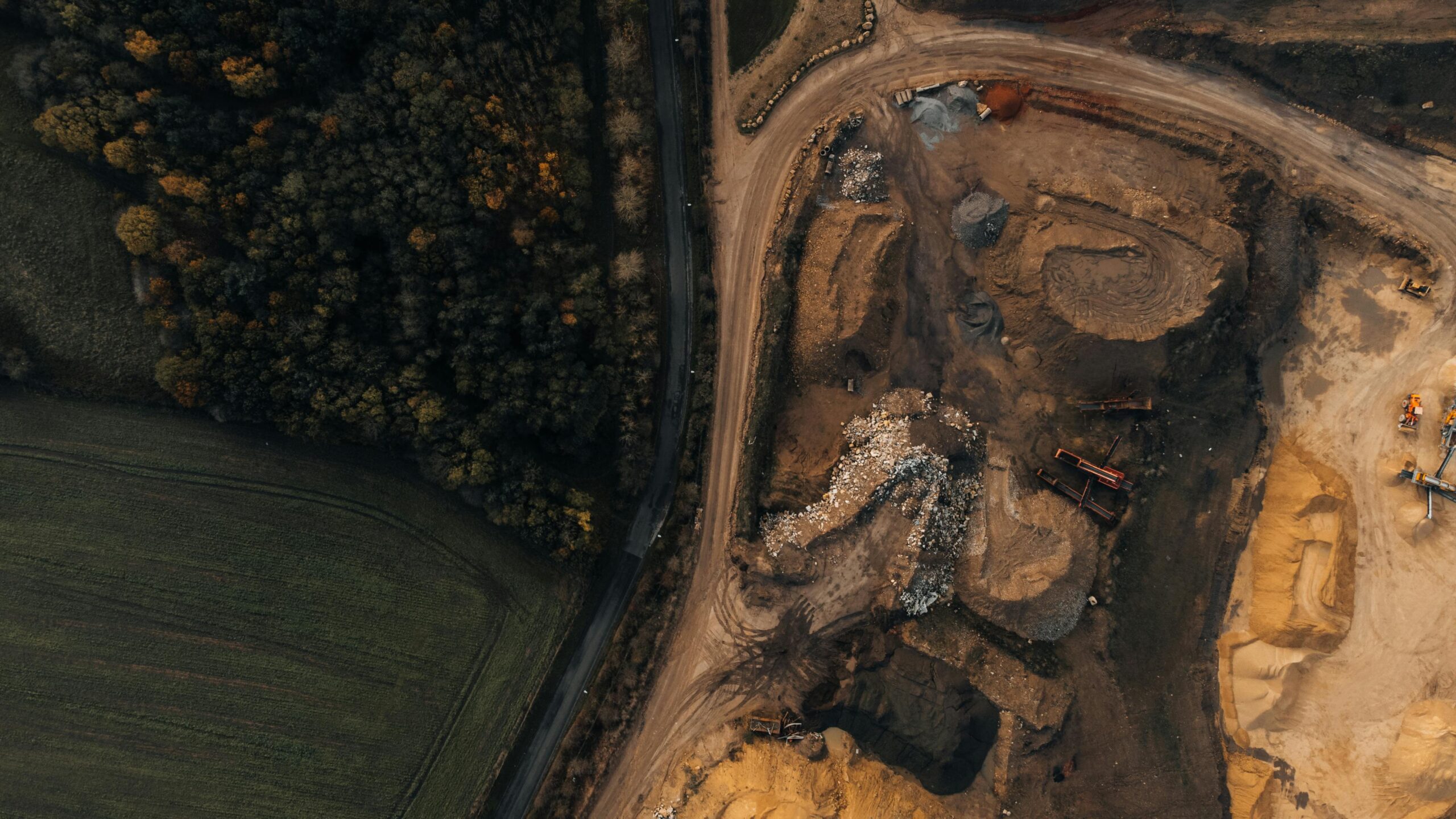
The built environment stands at a crossroads where traditional construction methods meet innovative technologies, promising to transform how we design, construct, and inhabit spaces while addressing pressing climate concerns.

As global energy consumption from buildings accounts for nearly 40% of total energy use worldwide, the urgency to revolutionize architectural design has never been more critical. Adaptive building envelopes represent a paradigm shift in construction technology, offering dynamic solutions that respond intelligently to environmental conditions while maximizing occupant comfort and minimizing energy waste. These smart skins are no longer science fiction but emerging realities reshaping skylines and redefining sustainable architecture for the 21st century.
🏗️ Understanding Adaptive Building Envelopes: The Future is Here
Adaptive building envelopes, also known as dynamic façades or responsive skins, are intelligent exterior systems that can modify their behavior, appearance, or performance in response to changing environmental conditions. Unlike traditional static building exteriors, these advanced envelopes actively regulate heat transfer, light transmission, and air permeability based on weather patterns, seasonal variations, and occupancy needs.
The fundamental principle underlying adaptive envelopes involves integrating sensors, actuators, control systems, and responsive materials that work in concert to optimize building performance. These systems continuously monitor external conditions such as temperature, solar radiation, wind speed, and internal parameters including occupancy levels, thermal comfort requirements, and energy demand patterns.
The technology encompasses various approaches, from mechanically operated shading devices and pneumatic cushions to electrochromic glazing and phase-change materials. Each solution addresses specific performance objectives while contributing to the overarching goals of energy efficiency and enhanced comfort.
The Science Behind Dynamic Performance 🔬
The effectiveness of adaptive building envelopes rests on several scientific principles that govern thermal transfer, solar radiation management, and material behavior. Understanding these foundational concepts illuminates why these systems deliver superior performance compared to conventional building skins.
Thermal Regulation and Heat Transfer Control
Traditional building envelopes maintain constant thermal properties regardless of external conditions, forcing mechanical systems to compensate for seasonal variations and daily temperature fluctuations. Adaptive envelopes dynamically adjust their thermal resistance (R-value) and solar heat gain coefficient (SHGC) to match prevailing conditions.
During winter months or cold nights, the envelope can increase insulation values and maximize solar heat gain, reducing heating loads. Conversely, during summer or peak heat periods, the same system can enhance ventilation, increase reflectivity, and minimize unwanted heat intrusion. This temporal optimization reduces energy consumption by 30-50% compared to static designs.
Daylight Harvesting and Visual Comfort
Adaptive glazing technologies regulate light transmission to balance natural illumination with glare control and thermal management. Electrochromic windows, photochromic materials, and automated shading systems adjust transparency levels throughout the day, maintaining optimal lighting conditions without compromising views or increasing cooling loads.
This dynamic daylight management reduces artificial lighting requirements by up to 60% while improving occupant wellbeing through consistent access to natural light and external views. Studies consistently demonstrate that occupants in buildings with adaptive envelopes report higher satisfaction levels and increased productivity.
Technologies Driving the Adaptive Revolution ⚡
Several emerging and established technologies enable the adaptive functionality that distinguishes these advanced building systems from conventional construction approaches.
Electrochromic and Thermochromic Glazing
Electrochromic glass changes its tint in response to electrical voltage, allowing precise control over light transmission and solar heat gain. Users can adjust opacity levels manually or automate changes based on sensor inputs, creating responsive envelopes that adapt throughout the day.
Thermochromic materials respond autonomously to temperature changes, becoming more opaque as temperatures rise. While less controllable than electrochromic alternatives, these passive systems require no external power and provide automatic solar protection during peak heat periods.
Kinetic Façade Systems
Mechanically operated external shading devices, louvers, and panels physically move to optimize solar exposure and natural ventilation. These kinetic systems range from simple automated blinds to complex parametric surfaces that respond to multiple environmental variables simultaneously.
Notable examples include the Al Bahr Towers in Abu Dhabi, featuring a dynamic mashrabiya-inspired shading system that opens and closes in response to sun position, reducing solar gain by 50% while maintaining views and natural light access.
Phase-Change Materials (PCMs)
Phase-change materials absorb and release thermal energy during melting and solidification processes, effectively storing heat when temperatures rise and releasing it when temperatures drop. Incorporating PCMs into building envelopes creates thermal mass that dampens temperature fluctuations and shifts peak cooling loads to off-peak hours.
These materials can be integrated into wallboards, insulation layers, or specialized panels, providing passive thermal regulation that complements active control systems while requiring no operational energy.
Environmental and Economic Benefits That Matter 🌍
The transition from static to adaptive building envelopes delivers measurable benefits across environmental, economic, and social dimensions, making compelling cases for widespread adoption.
Dramatic Energy Consumption Reductions
Research across multiple climate zones demonstrates that adaptive envelopes reduce building energy consumption by 25-50% compared to code-compliant static designs. These savings stem from reduced heating and cooling loads, decreased artificial lighting requirements, and optimized ventilation strategies.
In commercial buildings, where operational energy represents the dominant lifecycle cost, these reductions translate directly to lower utility expenses and reduced carbon emissions. Over typical building lifespans of 50-100 years, the cumulative environmental impact becomes substantial.
Enhanced Occupant Comfort and Wellbeing
Beyond energy metrics, adaptive envelopes significantly improve thermal comfort, visual comfort, and indoor air quality. By maintaining optimal conditions throughout varying external circumstances, these systems eliminate the temperature stratification, glare issues, and air quality problems common in conventional buildings.
Studies measuring occupant satisfaction consistently show 20-40% improvements in comfort ratings for buildings with adaptive envelopes compared to traditional designs. This enhanced comfort correlates with measurable productivity gains in workplace settings and improved health outcomes in residential applications.
Long-term Economic Advantages
While adaptive envelopes typically carry higher initial construction costs—premium estimates range from 15-40% above conventional systems—lifecycle cost analyses demonstrate favorable returns through reduced operational expenses, extended equipment lifespans, and enhanced property values.
Payback periods vary based on climate, building type, and energy costs, but typically range from 5-12 years, after which owners realize net savings throughout the building’s operational life. Additionally, adaptive envelopes often qualify for green building incentives, tax credits, and preferential financing that improve project economics.
🎯 Design Considerations for Successful Implementation
Realizing the full potential of adaptive building envelopes requires thoughtful integration into the architectural design process from early conceptual stages through construction documentation and commissioning.
Climate-Responsive Design Strategies
Effective adaptive envelope design begins with thorough climate analysis to identify dominant environmental stressors and opportunities. Heating-dominated climates prioritize solar heat gain management and insulation optimization, while cooling-dominated regions emphasize shading strategies and natural ventilation enhancement.
Mixed climates benefit most from truly adaptive systems capable of transitioning between heating and cooling modes as seasons change. Design teams must carefully match technology selections to specific performance objectives derived from climate data and building program requirements.
Integration with Building Systems
Adaptive envelopes function most effectively when integrated with mechanical systems, lighting controls, and building automation platforms. This holistic approach enables coordinated responses that optimize overall building performance rather than individual component efficiency.
Advanced control algorithms can balance competing objectives such as daylight admission versus cooling load reduction, or natural ventilation versus humidity control, making real-time decisions that maintain comfort while minimizing energy consumption.
Maintenance and Operational Considerations
The mechanical complexity and technological sophistication of adaptive envelopes introduce maintenance requirements beyond those of conventional building exteriors. Design teams must consider accessibility for cleaning, servicing moving components, and replacing electronic elements throughout the building lifecycle.
Successful projects incorporate maintainability into initial designs, specifying durable components, providing adequate access, and establishing clear maintenance protocols that facility management teams can implement reliably.
Overcoming Implementation Barriers and Challenges 🚧
Despite their proven benefits, adaptive building envelopes face several obstacles limiting widespread adoption across the construction industry.
Cost Considerations and Value Perception
The higher upfront costs associated with adaptive envelope technologies remain the primary barrier for many projects. While lifecycle analyses demonstrate economic viability, decision-makers often prioritize first costs over operational savings, particularly in speculative development contexts where builders and operators differ.
Addressing this barrier requires better communication of long-term value propositions, expanded incentive programs recognizing advanced envelope performance, and continued technology maturation that reduces component costs through economies of scale.
Technical Complexity and Risk Aversion
The construction industry’s inherent conservatism and risk aversion slow adoption of innovative technologies lacking extensive performance track records. Designers, contractors, and owners worry about reliability, maintenance burdens, and potential performance failures.
Building confidence requires documented case studies demonstrating long-term performance, standardized testing protocols validating manufacturer claims, and professional education programs familiarizing practitioners with adaptive envelope design and implementation.
Regulatory and Code Compliance Issues
Building codes and energy standards developed for static envelopes sometimes struggle to accommodate dynamic systems whose performance varies temporally. Rating systems and compliance pathways may not adequately credit adaptive behavior, potentially disadvantaging innovative designs.
Progressive code development incorporating performance-based approaches rather than prescriptive requirements can facilitate adaptive envelope adoption by recognizing actual energy performance regardless of specific technology approaches.
Real-World Success Stories Inspiring Change 🌟
Numerous completed projects worldwide demonstrate adaptive envelope viability across diverse building types, climates, and architectural contexts.
The Bloomberg European Headquarters in London features an innovative breathing façade combining natural ventilation with automated shading panels, achieving 73% energy savings compared to typical office buildings while earning BREEAM’s highest sustainability rating.
The adaptive solar façade at the Kiefer Technic Showroom in Austria employs movable photovoltaic panels that track the sun while shading the building, simultaneously generating renewable energy and reducing cooling loads—a elegant integration of multiple performance objectives.
Seoul’s City Hall retrofit incorporated a double-skin façade with automated ventilation controls, reducing energy consumption by 60% while preserving the historic building’s character and demonstrating adaptive envelope applicability to renovation projects.
The Path Forward: Scaling Adaptive Architecture 🚀
Realizing adaptive building envelopes’ transformative potential requires coordinated efforts across research, industry, policy, and education domains.
Continued research must refine control algorithms, develop more durable and affordable responsive materials, and establish comprehensive performance databases documenting long-term operational outcomes. Industry standardization efforts should establish testing protocols, performance metrics, and best practice guidelines facilitating technology comparison and specification.
Policy mechanisms including enhanced energy codes, green building incentives, and public procurement preferences can accelerate market transformation by creating demand for high-performance adaptive systems. Educational initiatives must prepare the next generation of architects, engineers, and builders with the interdisciplinary skills necessary to design, implement, and operate these sophisticated building systems.
As climate challenges intensify and sustainability imperatives grow more urgent, adaptive building envelopes represent essential tools for creating built environments that harmonize human comfort with environmental responsibility. The architecture profession stands at a pivotal moment where embracing dynamic, responsive design approaches can fundamentally transform buildings from passive shelters into active participants in sustainable urban ecosystems.
Embracing the Adaptive Future Today 💡
The revolution in architectural design enabled by adaptive building envelopes offers unprecedented opportunities to address energy efficiency and occupant comfort simultaneously. These intelligent systems represent more than technological advancement—they embody a philosophical shift toward buildings that actively respond to their environments rather than resist them.
For architects, engineers, developers, and building owners willing to embrace innovation, adaptive envelopes provide pathways to differentiated, high-performance buildings that deliver measurable environmental and economic benefits while enhancing human experiences. The question is no longer whether adaptive envelopes represent the future of sustainable architecture, but rather how quickly the industry can scale implementation to meet urgent climate goals.
By investing in adaptive envelope technologies today, we create buildings that remain relevant, efficient, and comfortable throughout decades of changing climate conditions and evolving occupant expectations. This forward-thinking approach to building design represents not just smart architecture, but necessary architecture for a sustainable future.