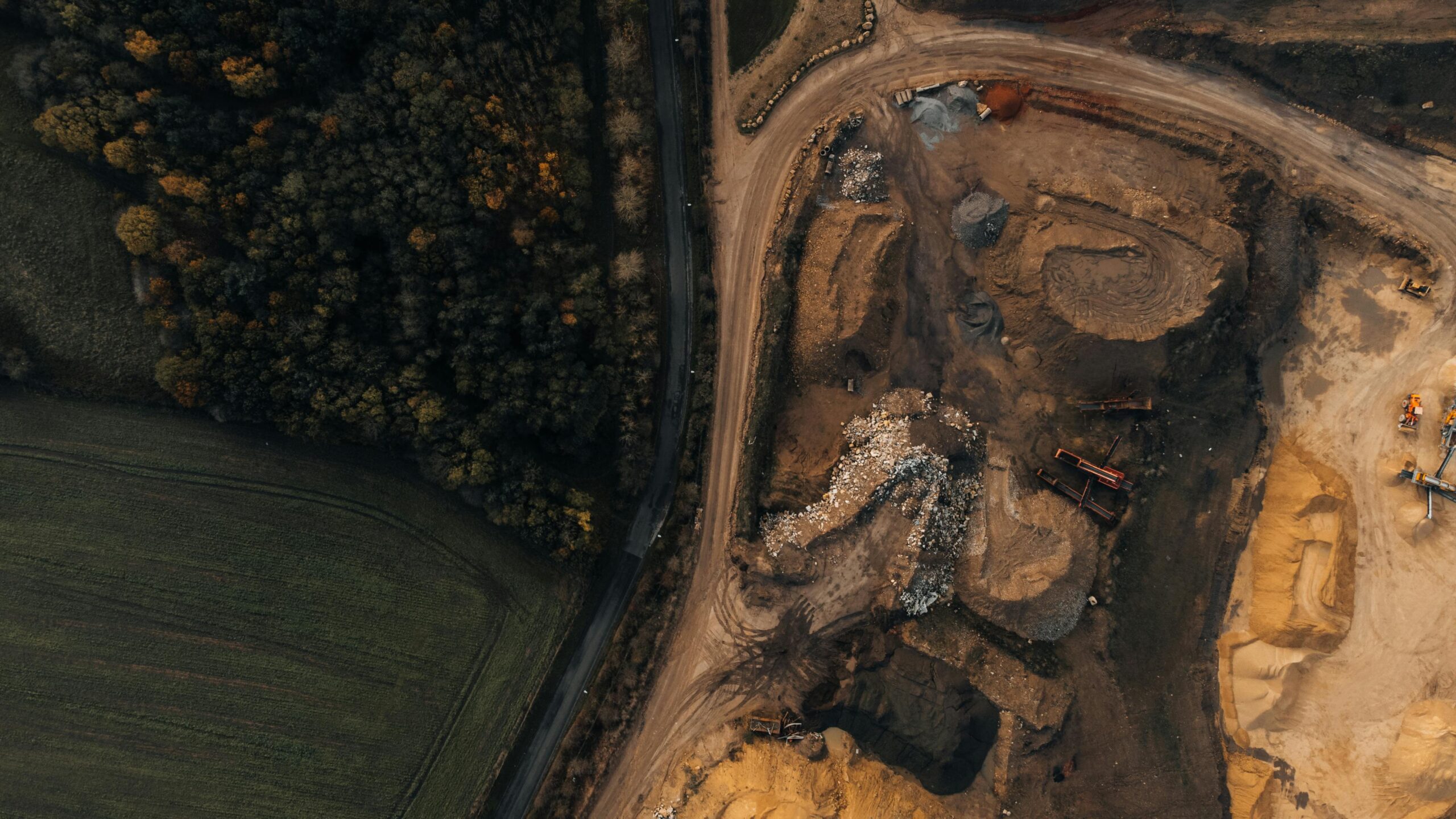
Climate change demands urgent action, and the built environment plays a pivotal role in this transformation. Climate-responsive materials are emerging as game-changers in our quest for sustainability.

As global temperatures rise and environmental concerns intensify, architects, engineers, and designers are reimagining how we construct our world. These innovative materials respond dynamically to environmental conditions, reducing energy consumption while creating healthier, more resilient spaces. The revolution isn’t just about reducing carbon footprints—it’s about fundamentally rethinking our relationship with the materials that shape our daily lives.
🌍 Understanding Climate-Responsive Materials: The Foundation of Sustainable Design
Climate-responsive materials represent a paradigm shift in how we approach construction and design. Unlike traditional building materials that remain static regardless of environmental conditions, these advanced solutions actively adapt to temperature fluctuations, humidity levels, and solar radiation.
These materials leverage natural principles and cutting-edge technology to minimize energy demands. Phase-change materials, for instance, absorb and release thermal energy as they transition between solid and liquid states, naturally regulating indoor temperatures. Thermochromic coatings change color in response to heat, reflecting more sunlight when temperatures rise.
The beauty of climate-responsive materials lies in their passive functionality. They work without requiring additional energy inputs, making them inherently sustainable. This passive approach contrasts sharply with mechanical heating and cooling systems that consume vast amounts of electricity and contribute significantly to greenhouse gas emissions.
The Science Behind Adaptive Building Envelopes
Building envelopes—the physical barriers between interior and exterior environments—have traditionally been static. Climate-responsive materials transform these envelopes into dynamic systems that optimize energy performance throughout changing seasons and weather patterns.
Smart glass technologies exemplify this innovation. Electrochromic windows can adjust their tint based on sunlight intensity, reducing cooling loads in summer while maximizing natural light and passive solar heating in winter. This adaptability can reduce HVAC energy consumption by up to 30% in commercial buildings.
Self-healing concrete represents another breakthrough. Embedded with bacteria that produce limestone when exposed to water, this material automatically repairs cracks, extending infrastructure lifespan while reducing the need for resource-intensive repairs and replacements.
🏗️ Revolutionary Materials Transforming the Construction Industry
The construction sector accounts for approximately 39% of global carbon emissions, making material innovation critical for climate action. Several groundbreaking materials are leading this transformation, each offering unique benefits for sustainability.
Bio-Based Insulation Materials
Traditional insulation relies heavily on petroleum-based products with significant environmental impacts. Bio-based alternatives derived from hemp, mycelium, cork, and cellulose offer comparable or superior thermal performance while sequestering carbon rather than releasing it.
Mycelium insulation, grown from fungal networks, exemplifies circular economy principles. This material is biodegradable, requires minimal energy to produce, and can be grown to custom specifications. When buildings reach end-of-life, mycelium insulation can be composted rather than contributing to landfill waste.
Hemp-lime composites combine hemp fibers with lime-based binders, creating walls that regulate humidity naturally while providing excellent insulation. These materials continue absorbing carbon dioxide throughout their lifetime, turning buildings into carbon sinks rather than emission sources.
Adaptive Phase-Change Materials (PCMs)
Phase-change materials revolutionize thermal management by storing and releasing heat energy during state transitions. Integrated into walls, ceilings, or floors, PCMs absorb excess heat during warm periods and release it when temperatures drop, stabilizing indoor climates naturally.
PCMs can reduce peak cooling demands by 20-30%, significantly lowering energy consumption and associated costs. In residential applications, this technology can eliminate the need for mechanical cooling entirely in moderate climates, representing substantial environmental and economic benefits.
Advanced encapsulation techniques now allow PCMs to be incorporated into various building materials including drywall, plaster, and concrete, making retrofit applications increasingly feasible for existing structures.
💡 Smart Materials Responding to Environmental Triggers
The next generation of climate-responsive materials goes beyond passive adaptation, incorporating intelligent responses to multiple environmental factors simultaneously. These smart materials represent the convergence of material science, nanotechnology, and environmental design.
Thermochromic and Photochromic Coatings
These color-changing materials respond to temperature and light intensity, respectively, offering dynamic solar control without mechanical systems. Thermochromic roof coatings remain dark in cold weather to absorb solar heat, then lighten as temperatures rise to reflect unwanted radiation.
Photochromic windows adjust their transparency based on UV exposure, protecting interiors from excessive sunlight while maintaining visibility and connection to outdoor environments. This technology reduces reliance on artificial lighting and mechanical cooling systems.
Research indicates that thermochromic coatings on building exteriors can reduce urban heat island effects by up to 15%, contributing to community-wide climate resilience beyond individual building performance.
Shape-Memory Alloys and Polymers
Shape-memory materials return to predetermined configurations when triggered by temperature changes, enabling responsive architectural elements that automatically adjust to optimize performance. Window shading systems using these materials can open and close based on solar angles and intensity without motors or controllers.
These materials eliminate the need for sensors, processors, and power supplies required by traditional automated systems, reducing both embodied energy and operational complexity. The result is elegant solutions that work reliably for decades with minimal maintenance.
🌱 Environmental Impact: Measuring Real-World Benefits
Quantifying the environmental benefits of climate-responsive materials requires comprehensive lifecycle assessment that considers manufacturing, transportation, installation, operation, and end-of-life disposal or recycling.
Studies consistently demonstrate that buildings incorporating climate-responsive materials achieve 30-50% reductions in operational energy consumption compared to conventional construction. When accounting for embodied carbon in low-impact bio-based materials, total lifecycle emissions can decrease by 60% or more.
Carbon Sequestration Potential
Beyond reducing emissions, certain climate-responsive materials actively sequester atmospheric carbon. Timber construction, when sourced from sustainably managed forests, locks carbon in building structures for decades or centuries. Mass timber buildings can store 100-400 kilograms of CO2 per square meter of floor area.
Hempcrete walls continue absorbing carbon throughout their lifespan through carbonation processes, with some studies indicating absorption rates exceeding the emissions from production and transportation within 5-10 years.
Scaling these materials across the construction industry could transform the built environment from a major emissions source into a significant carbon sink, fundamentally altering the sector’s climate impact.
🏙️ Urban Applications: Cooling Cities and Building Resilience
Climate-responsive materials offer particular promise for addressing urban heat islands and building climate resilience in dense metropolitan areas where conventional green infrastructure faces space constraints.
Cool Roofing and Pavement Technologies
Reflective roofing materials and cool pavements using specialized aggregates and binders can reduce surface temperatures by 20-30°C compared to conventional dark surfaces. These temperature reductions translate to measurably cooler ambient air temperatures and reduced cooling energy demands.
Photocatalytic concrete and coatings break down air pollutants when exposed to sunlight, simultaneously addressing air quality and urban heat. Pilot projects in major cities have demonstrated NOx reductions of 20-50% in treated areas.
Permeable pavements incorporating phase-change materials provide stormwater management while reducing heat absorption, addressing multiple climate adaptation challenges simultaneously.
Vertical Greening and Living Materials
Living materials that integrate biological processes with building systems represent the ultimate climate-responsive technology. Green walls and facades provide dynamic insulation, with thermal performance varying seasonally as vegetation grows, leafs, and enters dormancy in harmony with heating and cooling needs.
Bioreceptive concrete designed to support moss and lichen growth creates self-greening surfaces that improve air quality, manage stormwater, and provide cooling through evapotranspiration—all without irrigation or maintenance in appropriate climates.
📊 Economic Considerations: The Business Case for Sustainable Materials
While initial costs for innovative climate-responsive materials often exceed conventional alternatives, comprehensive economic analysis reveals compelling financial benefits over building lifecycles.
| Material Category | Initial Cost Premium | Energy Savings | Payback Period |
|---|---|---|---|
| Smart Glass | 15-30% | 20-30% | 7-12 years |
| Phase-Change Materials | 10-20% | 15-25% | 5-10 years |
| Bio-Based Insulation | 5-15% | 10-20% | 3-8 years |
| Cool Roofing | 0-10% | 10-15% | 2-5 years |
These payback periods continue improving as technologies mature and production scales increase. In many jurisdictions, incentives, tax credits, and green building certifications further enhance financial viability.
Beyond Energy Savings: Additional Value Propositions
Economic benefits extend beyond direct energy cost reductions. Buildings with superior environmental performance command premium rents and sale prices, with green-certified properties achieving 5-15% higher values in competitive markets.
Enhanced occupant comfort and indoor environmental quality associated with climate-responsive materials correlate with measurable improvements in productivity, health outcomes, and satisfaction—benefits that translate to substantial economic value for commercial tenants and homeowners alike.
Reduced maintenance requirements and extended material lifespans lower total ownership costs. Self-healing concrete, for example, can extend infrastructure lifespan by 30-50%, deferring expensive reconstruction projects and reducing lifecycle costs significantly.
🔬 Innovation Pipeline: Emerging Technologies on the Horizon
Research laboratories and startups worldwide are developing next-generation climate-responsive materials that promise even greater performance and sustainability benefits. These emerging technologies will define the next decade of sustainable construction.
Nanomaterial Applications
Nanotechnology enables unprecedented control over material properties at molecular scales. Aerogels with nanoscale structures provide exceptional insulation in minimal thickness, enabling high-performance building envelopes where space is constrained.
Nano-enhanced phase-change materials achieve higher thermal storage densities and faster response times than conventional PCMs, improving comfort and energy performance. Carbon nanotube composites add strength while reducing material quantities, lowering embodied carbon.
Living Building Materials
Engineered living materials that grow, self-repair, and respond to environmental stimuli represent the frontier of climate-responsive design. Researchers are developing bacterial concrete that produces bioluminescence for lighting, bio-bricks that grow from agricultural waste, and photosynthetic building skins that generate oxygen while sequestering carbon.
These materials blur boundaries between nature and construction, pointing toward futures where buildings function as living ecosystems rather than inert structures consuming resources and generating waste.
🌐 Policy Frameworks Supporting Material Innovation
Realizing the full potential of climate-responsive materials requires supportive policy environments that incentivize adoption, establish performance standards, and remove regulatory barriers to innovation.
Progressive building codes increasingly mandate energy performance outcomes rather than prescriptive methods, creating opportunities for innovative materials to demonstrate value. Embodied carbon regulations emerging in jurisdictions including California, the Netherlands, and France are driving demand for low-carbon materials.
Government procurement policies specifying sustainable materials in public projects create stable markets that enable manufacturers to scale production and reduce costs. Green building certification systems like LEED, BREEAM, and Living Building Challenge provide frameworks that recognize and reward climate-responsive material selection.
🎯 Implementation Strategies: From Concept to Reality
Successfully integrating climate-responsive materials requires multidisciplinary collaboration and careful planning throughout design and construction processes. Early engagement between architects, engineers, material suppliers, and contractors ensures optimal specification and installation.
Design Integration Best Practices
Climate-responsive materials deliver maximum benefits when integrated holistically rather than applied as afterthoughts. Passive design strategies including orientation, glazing ratios, and thermal mass must work synergistically with adaptive materials to optimize performance.
Building simulation tools enable designers to model material performance under local climate conditions, identifying optimal combinations that balance sustainability, comfort, and cost. Parametric design approaches can explore thousands of material and configuration options to identify solutions that would escape intuitive analysis.
- Conduct comprehensive site analysis to understand microclimate conditions and opportunities
- Establish clear performance targets for energy, carbon, comfort, and resilience
- Engage material specialists early in schematic design to inform fundamental decisions
- Use integrated design processes that facilitate collaboration across disciplines
- Specify performance-based criteria rather than prescriptive materials when possible
- Plan for commissioning and post-occupancy evaluation to verify performance
Overcoming Implementation Barriers
Despite compelling benefits, several obstacles slow widespread adoption of climate-responsive materials. Unfamiliarity among designers and builders creates perceived risk that favors conventional approaches. Limited local availability and supply chain maturity can complicate procurement and increase costs.
Education initiatives targeting design professionals, contractors, and building officials help overcome knowledge barriers. Demonstration projects provide tangible proof of performance while generating case studies that inform future applications. Industry associations and material manufacturers play crucial roles in developing installation guidelines and training programs.

🚀 The Path Forward: Accelerating the Sustainable Materials Revolution
Climate-responsive materials stand at the forefront of sustainable construction, offering proven pathways to dramatically reduce built environment emissions while enhancing resilience and quality of life. The technologies exist; the challenge lies in accelerating adoption and scaling production to meet global needs.
Cross-sector collaboration connecting material scientists, designers, manufacturers, policymakers, and investors can catalyze the transformation. Research funding priorities should emphasize not just material innovation but also scalable production methods, standardization, and performance validation.
Market development strategies including aggregated procurement, performance guarantees, and innovative financing mechanisms can overcome economic barriers. Digital platforms connecting material innovators with designers and projects can accelerate knowledge transfer and adoption.
The built environment transformation required to address climate change is unprecedented in scale and urgency. Climate-responsive materials provide essential tools for this transition—reducing emissions, sequestering carbon, and creating adaptive structures that thrive in changing conditions. Their widespread adoption isn’t just an environmental imperative; it represents an economic opportunity and a pathway toward healthier, more resilient communities.
As awareness grows and technologies mature, climate-responsive materials will transition from innovative exceptions to industry standards. This revolution in how we build promises not just incremental improvements but fundamental transformation—reshaping our relationship with materials, energy, and the environment itself. The future of construction is responsive, regenerative, and inherently sustainable, and that future is being built today with every project that embraces these powerful innovations. 🌿