As cities expand and climate challenges intensify, innovative bioclimatic urban grids emerge as essential frameworks for creating sustainable, livable environments that harmonize human needs with natural systems.

The convergence of architecture, urban planning, and environmental science has given rise to a revolutionary approach in city design. Climate-responsive architecture integrated within intelligent urban grids represents not merely an aesthetic evolution but a fundamental reimagining of how we construct and inhabit metropolitan spaces in an era of environmental urgency.
🌍 Understanding Bioclimatic Urban Grids
Bioclimatic urban grids represent sophisticated planning frameworks that integrate climate-responsive design principles at the city-scale level. Unlike traditional urban layouts that often ignore local climate conditions, these grids incorporate meteorological data, solar orientation, wind patterns, and precipitation cycles into their fundamental structure.
The concept extends beyond individual building design to encompass entire neighborhoods and districts. Streets, public spaces, building orientations, and green infrastructure are coordinated to create microclimates that reduce energy consumption, enhance comfort, and minimize environmental impact. This holistic approach transforms cities from passive recipients of climate conditions into active participants in environmental modulation.
Modern bioclimatic grids leverage advanced simulation technologies and real-time data collection to optimize urban layouts. Planners can now model how different configurations affect temperature distribution, air quality, and energy demands before construction begins, enabling evidence-based decision-making that was impossible in previous generations.
The Historical Evolution of Climate-Responsive Architecture
Long before contemporary sustainability movements, civilizations worldwide developed vernacular architecture perfectly adapted to local climates. Ancient Persian wind towers, Mediterranean whitewashed villages, and Japanese wooden structures with deep eaves demonstrate sophisticated understanding of passive climate control principles.
The Industrial Revolution disrupted these traditions as standardized construction methods and mechanical heating and cooling systems seemingly liberated architecture from climate constraints. For decades, modernist architecture imposed uniform designs regardless of location, creating buildings that required massive energy inputs to maintain comfort.
The energy crises of the 1970s sparked renewed interest in passive design strategies. Pioneers like Victor Olgyay and Baruch Givoni developed systematic methodologies for analyzing climate data and translating findings into design principles. Their work laid the foundation for today’s sophisticated bioclimatic approaches that combine traditional wisdom with cutting-edge technology.
Contemporary Drivers of Bioclimatic Innovation
Several converging factors have accelerated the adoption of bioclimatic urban design in recent years. Climate change has intensified extreme weather events, making cities more vulnerable to heat waves, flooding, and storms. Simultaneously, rapid urbanization concentrates populations in areas where poor design choices have amplified environmental impacts.
Energy costs and carbon emission targets provide economic and regulatory incentives for climate-responsive design. Cities account for approximately 75% of global carbon emissions, making urban transformation essential for meeting international climate goals. Bioclimatic approaches offer proven pathways to dramatic energy reductions without sacrificing quality of life.
Technological advances in building materials, digital modeling, and sensor networks enable design sophistication previously unattainable. Smart materials that respond dynamically to environmental conditions, coupled with artificial intelligence systems that optimize building performance in real-time, are transforming theoretical concepts into practical implementations.
🏗️ Core Principles of Climate-Responsive Urban Design
Effective bioclimatic urban grids rest on several foundational principles that guide planning decisions from master plan to individual building details. Understanding these principles enables designers to create environments that work with rather than against natural forces.
Solar Orientation and Passive Heating
Strategic building orientation maximizes beneficial solar access while minimizing unwanted heat gain. In temperate climates, south-facing facades capture winter sun for passive heating, while properly sized overhangs block high summer sun. Urban grid layouts that align streets and buildings with cardinal directions facilitate optimal solar access for all structures.
Advanced bioclimatic grids incorporate seasonal solar angles into street widths and building heights. These calculations ensure that buildings receive adequate daylight year-round while preventing excessive shadowing of neighboring structures. Solar envelopes—three-dimensional boundaries that guarantee solar access rights—can be integrated into zoning codes to protect passive solar strategies.
Natural Ventilation and Airflow Management
Traditional cities often featured street patterns designed to channel prevailing breezes through urban canyons, providing natural cooling and air quality benefits. Contemporary bioclimatic grids revive and refine these strategies using computational fluid dynamics to model airflow patterns at multiple scales.
Building configurations can create pressure differentials that drive cross-ventilation without mechanical systems. Strategic placement of towers, courtyards, and open spaces accelerates airflow where needed while creating protected calm zones. Urban geometry that facilitates natural ventilation can reduce cooling energy consumption by 30-50% in appropriate climates.
Water Management and Urban Hydrology
Bioclimatic urban design treats water as a precious resource to be captured, stored, and utilized rather than rapidly shed into storm drains. Permeable surfaces, rain gardens, and constructed wetlands integrated into the urban fabric reduce flooding while creating cooling effects through evapotranspiration.
Water features strategically positioned in public spaces provide localized cooling through evaporation. In hot, dry climates, this can reduce ambient temperatures by several degrees, expanding comfortable outdoor space use. These features also enhance biodiversity and create attractive gathering places that strengthen community connections.
Green Infrastructure as Urban Climate Modulator
Vegetation represents one of the most powerful tools in the bioclimatic designer’s arsenal. Trees, green roofs, and vertical gardens provide shade, filter air, absorb stormwater, and cool surroundings through evapotranspiration. Integrated systematically throughout urban grids, green infrastructure transforms harsh microclimates into comfortable, healthy environments.
Street tree canopies reduce pavement temperatures by 20-45°F compared to unshaded surfaces, dramatically decreasing the urban heat island effect. Properly selected species provide shade when needed while allowing solar access during heating seasons. Urban forestry strategies that coordinate species selection, planting locations, and maintenance protocols maximize climate benefits.
Green roofs and walls insulate buildings, reducing heating and cooling loads while managing stormwater and creating habitat. When implemented across entire districts, these features can reduce ambient temperatures, improve air quality, and enhance biodiversity. The cumulative effect transforms the city itself into a climate-moderating ecosystem.
Biodiversity and Ecosystem Services 🌿
Bioclimatic urban grids increasingly recognize that ecological health and climate performance are inseparable. Biodiverse plantings support pollinators and wildlife while providing resilient, low-maintenance landscapes. Native species adapted to local conditions require less irrigation and chemical inputs while offering superior climate adaptation.
Ecological corridors threading through urban grids enable species movement and genetic diversity while providing recreational and educational opportunities for residents. These green networks function as the city’s circulatory system, distributing cooling effects, filtering air, and managing water throughout the metropolitan area.
⚡ Energy Integration and Smart Grids
Modern bioclimatic urban grids extend beyond passive strategies to integrate renewable energy generation and intelligent distribution systems. Solar panels, wind turbines, and geothermal systems woven into the urban fabric transform cities from energy consumers into producers.
Building-integrated photovoltaics incorporate solar collection into facades, roofs, and shading devices, generating electricity while serving architectural functions. District heating and cooling systems that share thermal resources between buildings improve efficiency compared to individual systems. Combined heat and power plants that utilize waste heat dramatically increase overall energy efficiency.
Smart grid technologies enable real-time balancing of energy supply and demand, integrating intermittent renewable sources with storage systems and flexible loads. Sensors throughout the urban environment monitor conditions and adjust systems automatically, optimizing performance without human intervention. This intelligence layer transforms static infrastructure into responsive, adaptive systems.
Material Selection and Thermal Performance
Building materials fundamentally determine climate performance through their thermal properties, embodied energy, and durability. Bioclimatic design favors materials with appropriate thermal mass, low embodied carbon, and long service lives. Local materials reduce transportation impacts while ensuring compatibility with regional climate conditions.
High thermal mass materials like concrete, brick, and stone absorb heat during warm periods and release it slowly, moderating temperature swings. In climates with significant diurnal temperature variation, thermal mass reduces heating and cooling demands by storing daytime heat for nighttime release or nighttime coolness for daytime comfort.
Advanced materials including phase-change materials, thermochromic coatings, and dynamic insulation systems respond actively to changing conditions. These innovations enable building envelopes that adapt their properties automatically, providing optimal performance across varying weather conditions without mechanical systems.
🌆 Case Studies in Bioclimatic Urban Excellence
Several cities worldwide have implemented innovative bioclimatic strategies that demonstrate practical applications of climate-responsive design principles. These examples offer valuable lessons for municipalities embarking on sustainable transformation.
Masdar City, United Arab Emirates
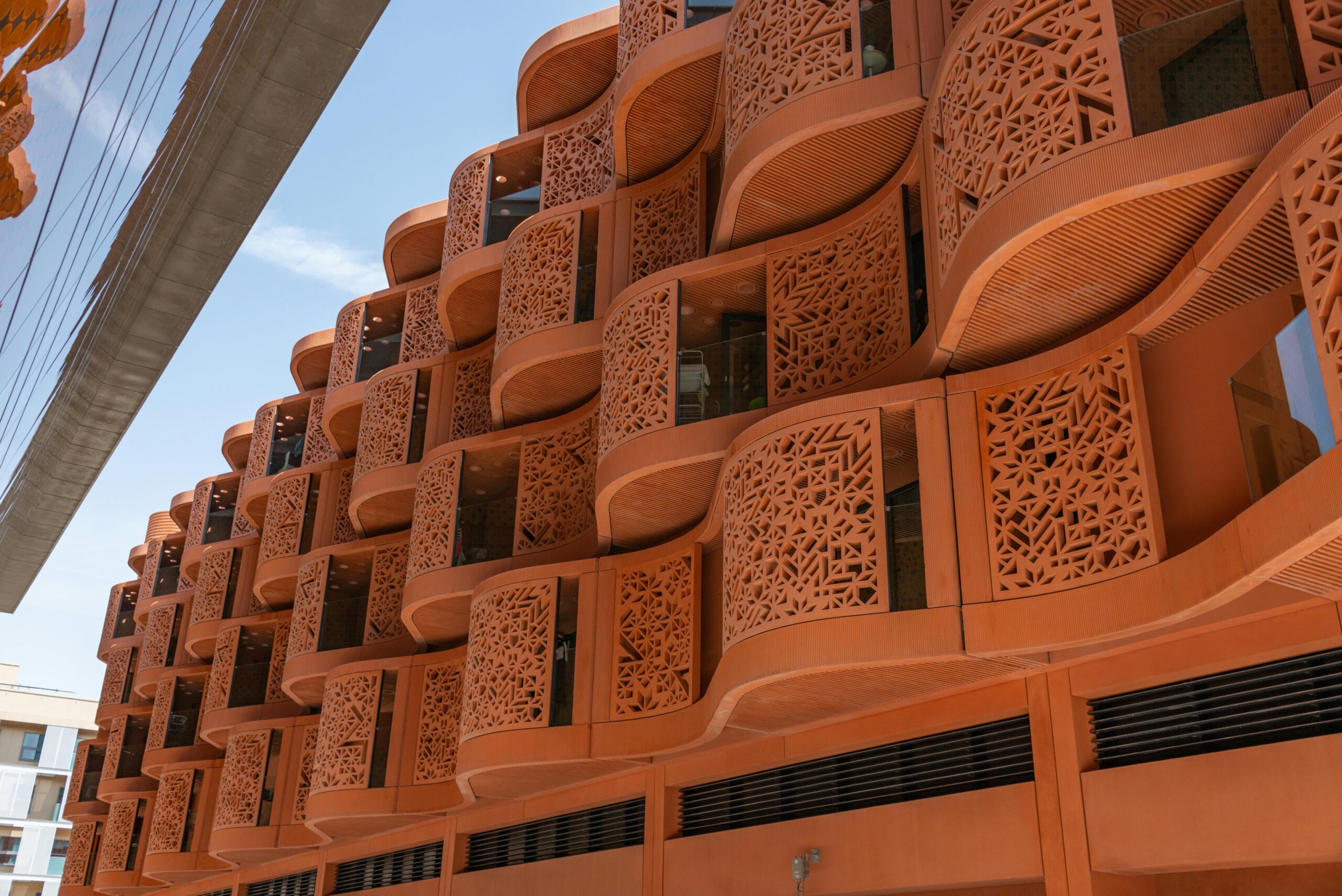
Designed as a carbon-neutral urban environment in one of the world’s harshest climates, Masdar incorporates traditional Arabic urban design principles with cutting-edge technology. Narrow, shaded streets oriented to channel breezes reduce ambient temperatures. A raised infrastructure level enables cool air circulation beneath buildings while keeping pedestrian areas comfortable.
The city’s urban geometry creates shade throughout most of the day, while wind towers adapted from traditional Persian designs enhance natural ventilation. Photovoltaic installations generate renewable energy, and extensive monitoring systems provide continuous performance feedback. Though the project has evolved from its original vision, it demonstrates climate-responsive design at city scale.
Freiburg, Germany
This mid-sized German city has emerged as a leader in sustainable urban development through comprehensive bioclimatic planning. The Vauban district features solar-oriented buildings, extensive green roofs, and pedestrian-priority streets that reduce heat island effects. Strict energy standards ensure buildings perform efficiently, while district heating systems share resources.
Freiburg’s approach demonstrates that bioclimatic excellence doesn’t require perfect climates or unlimited budgets. Systematic integration of climate-responsive principles into planning codes, combined with political will and community engagement, has created comfortable, low-energy neighborhoods that serve as international models.
Singapore’s Tropical Innovation
Operating in a hot, humid tropical climate, Singapore has developed unique bioclimatic strategies appropriate to its conditions. The “City in a Garden” vision integrates nature throughout the urban fabric, with green roofs, vertical gardens, and parks creating cooling effects and improving air quality.
Buildings incorporate deep overhangs, natural ventilation, and shading devices adapted to tropical conditions. The recently completed Kampung Admiralty integrates multiple functions vertically, with medical facilities, housing, and public spaces stacked beneath a rooftop urban farm. This approach maximizes limited land while optimizing solar orientation and natural ventilation.
Implementation Challenges and Solutions
Despite proven benefits, bioclimatic urban grids face implementation challenges ranging from regulatory barriers to financing constraints. Existing zoning codes often inadvertently prevent climate-responsive design through setback requirements, height restrictions, and density limitations that prioritize other concerns.
Upfront costs for high-performance systems can exceed conventional construction, though lifecycle analysis consistently shows superior long-term value. Innovative financing mechanisms including green bonds, energy performance contracting, and public-private partnerships help overcome initial investment barriers while capturing long-term savings.
Professional training represents another challenge, as conventional architectural and engineering education often inadequately addresses bioclimatic design. Continuing education programs, updated licensing requirements, and interdisciplinary collaboration help build necessary expertise within the design and construction industries.
🔬 Technology and Future Innovations
Emerging technologies promise to enhance bioclimatic urban performance dramatically. Artificial intelligence systems can analyze vast datasets to optimize design decisions, predict performance, and adjust systems in real-time. Machine learning algorithms identify patterns and relationships that human designers might miss, enabling continuous improvement.
Advanced materials including self-healing concrete, transparent solar cells, and programmable matter will expand design possibilities. Buildings may soon adjust their shapes, properties, and functions dynamically in response to changing conditions, blurring distinctions between architecture and organism.
Digital twin technology creates virtual replicas of cities that enable testing of interventions before physical implementation. These models integrate real-time data from sensors throughout the urban environment, providing unprecedented understanding of system performance and enabling evidence-based optimization.
Community Engagement and Social Equity
Successful bioclimatic urban grids require more than technical excellence—they must serve diverse communities equitably and incorporate local knowledge and preferences. Participatory design processes that engage residents in planning decisions create environments that reflect community values while building support for implementation.
Climate-responsive design offers particular benefits for vulnerable populations who suffer disproportionately from environmental hazards. Affordable housing incorporating passive strategies reduces energy costs for low-income residents while improving comfort. Green infrastructure in underserved neighborhoods provides cooling, improves health outcomes, and creates valuable community amenities.
Education and capacity-building ensure that communities understand and can maintain bioclimatic systems. When residents recognize how design features function and contribute to comfort and efficiency, they become active participants in urban climate performance rather than passive occupants.
Policy Frameworks and Regulatory Support 📋
Government policies at all levels critically influence bioclimatic urban development. Building codes that mandate or incentivize climate-responsive strategies accelerate adoption, while zoning regulations can facilitate or impede optimal design. Progressive jurisdictions are updating regulations to remove barriers and reward high-performance approaches.
Carbon pricing mechanisms, renewable energy mandates, and energy efficiency standards create economic drivers for bioclimatic design. Tax incentives, expedited permitting, and density bonuses encourage developers to exceed minimum requirements. Comprehensive policy frameworks that align multiple regulatory tools create consistent signals that transform market practices.
International agreements and national climate commitments increasingly recognize urban design as essential to emissions reductions. Cities participating in networks like C40 and ICLEI share best practices and coordinate efforts, accelerating the global transition toward climate-responsive urban environments.
Measuring Performance and Continuous Improvement
Rigorous performance monitoring ensures that bioclimatic urban grids deliver promised benefits while identifying opportunities for optimization. Sensor networks throughout buildings and public spaces collect data on temperature, humidity, air quality, energy consumption, and occupant comfort. This information validates design decisions and guides adjustments.
Post-occupancy evaluation systematically assesses how completed projects perform compared to predictions. Discrepancies between modeled and actual performance reveal areas where design methods, construction practices, or operational procedures need refinement. This feedback loop drives continuous improvement in bioclimatic design practice.
Standardized metrics and reporting frameworks enable comparison between projects and cities, identifying high performers and successful strategies. Organizations like the Living Building Challenge and LEED provide certification systems that recognize excellence while establishing benchmarks for the industry.
Transforming Cities for Climate Resilience 🌱
The urgency of climate change demands rapid transformation of urban environments. Bioclimatic urban grids offer proven pathways to dramatic reductions in energy consumption, greenhouse gas emissions, and vulnerability to climate impacts. By working with natural systems rather than against them, these approaches create cities that are simultaneously more sustainable, comfortable, and resilient.
Implementation requires coordinated action across multiple domains—policy reform, professional training, technological innovation, and community engagement. No single intervention suffices; comprehensive strategies that integrate multiple approaches at various scales deliver transformative results. The transition demands patience, persistence, and willingness to learn from both successes and failures.
The built environment’s long lifespan means that decisions made today will influence urban climate performance for generations. Designing cities as integrated climate systems rather than collections of individual buildings represents a fundamental shift in thinking. As extreme weather events intensify and environmental awareness grows, bioclimatic urban grids will transition from innovative experiments to standard practice.
Cities worldwide face a choice between continuing energy-intensive, climate-vulnerable development patterns or embracing design approaches that create comfortable, healthy environments while minimizing environmental impact. The technical knowledge, successful precedents, and economic rationale for bioclimatic urban grids exist. What remains is the collective will to implement these solutions at the scale and speed that our climate challenge demands.