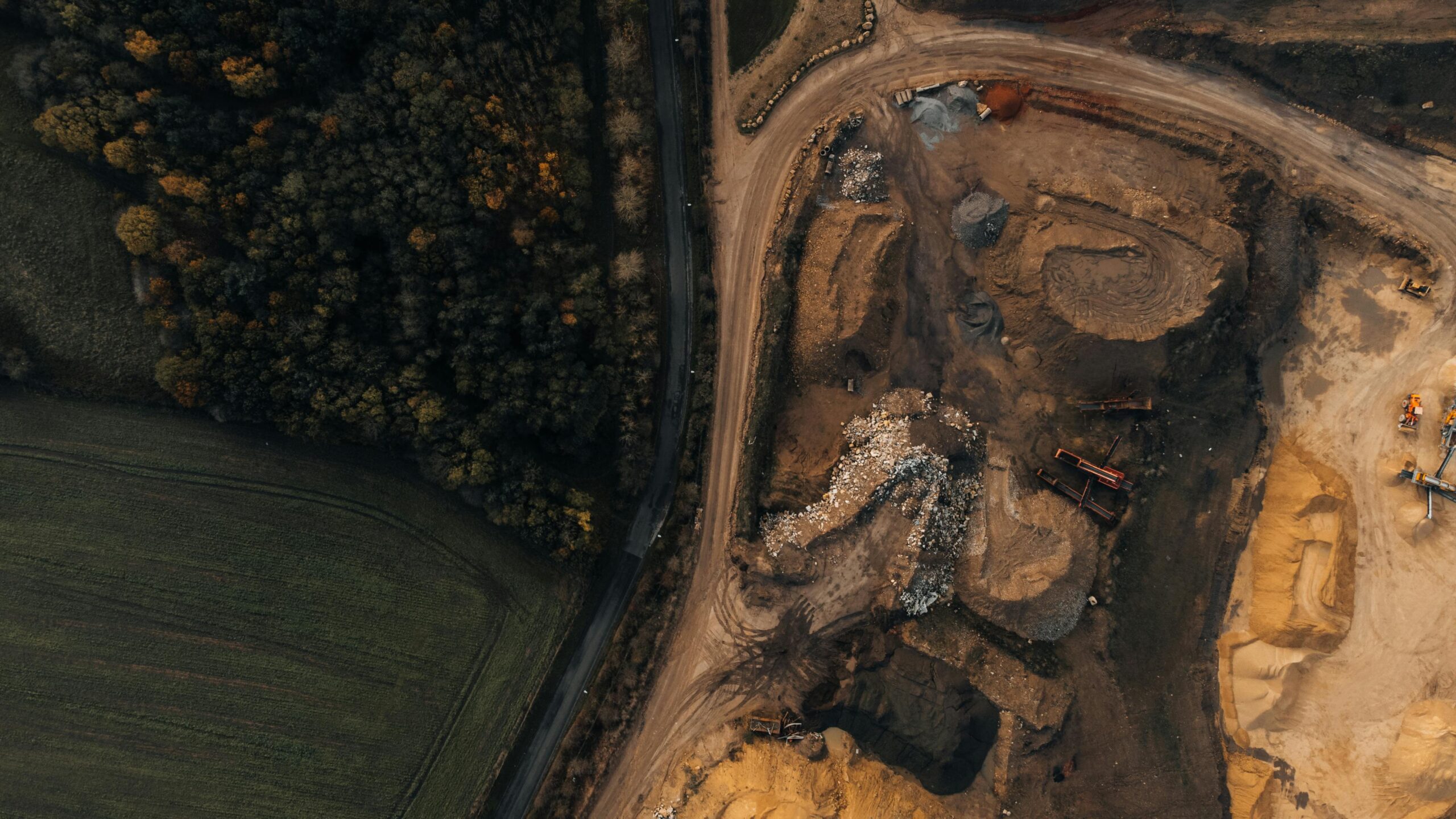
Understanding the subtle environmental variations within a specific area has become essential for creating spaces that truly respond to their surroundings. Microclimate-based planning represents a sophisticated approach to designing resilient environments.

As climate challenges intensify globally, professionals across architecture, urban planning, agriculture, and environmental management are recognizing that broad climate data alone cannot address the nuanced conditions that exist within smaller geographic areas. These localized atmospheric conditions—shaped by topography, vegetation, water bodies, and built structures—create unique microclimates that significantly impact everything from human comfort to biodiversity conservation.
🌍 Understanding Microclimates: The Foundation of Intelligent Planning
A microclimate refers to the climate of a small, specific area that differs from the surrounding region. These variations can occur at scales ranging from a few square meters to several kilometers, creating distinct environmental conditions that require specialized attention during the planning process.
The formation of microclimates depends on multiple interacting factors. Elevation changes can produce temperature differences of several degrees within short distances. Urban structures create heat islands where temperatures exceed those of nearby rural areas. Vegetation patterns influence humidity levels, wind patterns, and temperature regulation. Water bodies moderate temperature extremes and increase local humidity.
Traditional planning approaches often overlooked these subtle variations, applying uniform solutions across diverse areas. This oversight has contributed to uncomfortable urban spaces, inefficient buildings, struggling agricultural systems, and environments that fail to support local ecosystems effectively.
The Science Behind Microclimate Analysis 🔬
Effective microclimate-based planning begins with comprehensive data collection and analysis. Modern technology has revolutionized our ability to understand these localized conditions with unprecedented precision.
Temperature mapping involves establishing networks of sensors that continuously monitor conditions across target areas. These systems reveal how different surfaces, structures, and landscape features create thermal variations throughout daily and seasonal cycles.
Wind pattern analysis examines how air flows through spaces, identifying areas of acceleration, calm, and turbulence. This understanding proves crucial for both human comfort and energy efficiency in building design.
Solar radiation assessment determines how sunlight interacts with various surfaces and orientations throughout the year. This data informs decisions about building placement, window design, shading strategies, and vegetation selection.
Humidity monitoring tracks moisture levels that affect both human comfort and plant health. Understanding these patterns helps designers create balanced environments that avoid problems associated with excessive dryness or dampness.
Advanced Monitoring Technologies
Contemporary microclimate analysis employs sophisticated tools that were unavailable to previous generations of planners. Weather stations with multiple sensors can now be deployed affordably across sites to gather continuous data streams.
Thermal imaging cameras reveal temperature distributions across surfaces, identifying heat absorption and reflection patterns that influence local conditions. Drone-mounted sensors enable rapid assessment of larger areas with detailed spatial resolution.
Computational fluid dynamics modeling simulates airflow patterns around proposed structures before construction begins, allowing designers to optimize configurations for comfort and energy efficiency.
Strategic Applications in Urban Planning 🏙️
Cities represent some of the most dramatically altered microclimates on Earth. The concentration of buildings, pavement, and human activities creates unique environmental conditions that significantly impact resident wellbeing, energy consumption, and environmental sustainability.
Urban heat islands develop when dark, impermeable surfaces absorb and re-radiate solar energy, raising temperatures substantially above surrounding areas. Strategic microclimate planning addresses this challenge through multiple interventions.
Green infrastructure integration introduces vegetation strategically throughout urban environments. Street trees provide shade that cools pavement and buildings while creating pleasant pedestrian spaces. Green roofs and walls reduce building heat gain while managing stormwater and supporting biodiversity.
Surface material selection emphasizes lighter colors and higher albedo materials that reflect rather than absorb solar radiation. Permeable paving allows water infiltration that provides evaporative cooling.
Water feature incorporation adds fountains, streams, and ponds that moderate temperatures through evaporative cooling while creating appealing gathering spaces for communities.
Building Orientation and Layout
Microclimate analysis fundamentally influences how buildings should be positioned within their sites and how urban blocks should be configured for optimal environmental performance.
Solar access considerations ensure that buildings receive appropriate sun exposure for passive heating in cold climates while avoiding excessive heat gain in warm regions. This involves analyzing sun angles throughout seasons and positioning structures accordingly.
Wind channel design creates corridors that facilitate natural ventilation and cooling breezes through urban areas. Building heights, spacing, and orientations work together to guide airflow beneficially rather than creating uncomfortable wind tunnels or stagnant pockets.
Shading strategies position taller structures to protect sensitive areas from excessive sun exposure during peak heat periods while maintaining beneficial winter sun access.
Agricultural Innovation Through Microclimate Management 🌱
Agriculture has always been fundamentally connected to local climate conditions, but contemporary approaches to microclimate management are enabling unprecedented productivity and sustainability.
Precision agriculture utilizes detailed microclimate data to optimize growing conditions for specific crops. Sensor networks monitor soil moisture, temperature, humidity, and other variables across fields, enabling targeted interventions that maximize yields while minimizing resource inputs.
Frost protection systems activate when temperature sensors detect conditions approaching critical thresholds, protecting vulnerable crops during sensitive growth stages. These interventions might include wind machines that mix air layers, sprinkler systems that release latent heat, or heating devices strategically positioned based on cold pocket mapping.
Windbreak design strategically places vegetation barriers that modify wind patterns to reduce crop damage, decrease evapotranspiration, and create favorable microclimates for sensitive species. Proper windbreak planning considers prevailing wind directions, barrier heights, porosity, and distances to protected areas.
Greenhouse and Controlled Environment Optimization
Even within controlled growing environments, microclimate variations significantly impact plant performance. Advanced greenhouse management systems create optimal conditions by monitoring and adjusting multiple environmental parameters continuously.
Temperature gradients within structures are managed through strategic ventilation, heating, and cooling systems that respond to real-time sensor data. Humidity control prevents disease while maintaining conditions that support vigorous growth.
Light management systems supplement natural sunlight with artificial lighting positioned according to microclimate analysis that identifies areas receiving insufficient radiation.
🏡 Residential Landscape Design and Microclimate Mastery
Homeowners and landscape professionals are discovering that understanding microclimates transforms gardens from struggling spaces into thriving ecosystems that require less maintenance while providing greater enjoyment.
Site assessment identifies existing microclimates created by structures, slopes, and vegetation. South-facing walls create warm pockets suitable for heat-loving plants. North-facing areas remain cooler and shadier, supporting different species. Low spots collect cold air and require frost-tolerant selections.
Strategic planting places species according to their specific requirements, matching plants to the microclimates where they will naturally thrive. This approach reduces water consumption, eliminates the need for artificial climate modification, and creates more resilient landscapes.
Microclimate creation involves deliberate interventions that generate desired conditions. Pergolas and shade structures create comfortable outdoor living areas. Ponds and water features cool surrounding spaces. Strategic tree placement provides shade that reduces cooling costs while creating pleasant outdoor environments.
Seasonal Considerations and Year-Round Performance
Sophisticated microclimate planning accounts for how conditions change throughout the year, creating landscapes that perform well across all seasons.
Deciduous trees provide summer shade that reduces cooling costs while allowing winter sun to warm buildings after leaves drop. Evergreen screens block cold winter winds without creating excessive summer shade when positioned appropriately.
Thermal mass elements like stone walls and water features absorb daytime heat and release it during cooler evening hours, extending comfortable outdoor time and moderating temperature swings.
Climate Resilience and Adaptation Strategies 💪
As global climate patterns shift, microclimate-based planning becomes increasingly important for creating environments that remain functional and comfortable despite changing conditions.
Heat stress mitigation addresses rising temperature challenges through comprehensive cooling strategies that work with local conditions rather than fighting against them. This includes maximizing vegetation coverage, creating shade networks, facilitating natural ventilation, and incorporating water features strategically.
Precipitation management handles both increased rainfall intensity and prolonged drought periods through landscape designs that capture, store, and slowly release water. Bioswales, rain gardens, and permeable surfaces manage stormwater while supporting vegetation that creates beneficial microclimates.
Ecosystem support maintains habitat corridors and diverse plantings that support pollinators, beneficial insects, and wildlife populations that contribute to environmental resilience.
🛠️ Practical Implementation: From Analysis to Action
Translating microclimate understanding into effective planning requires systematic approaches that move from assessment through design to implementation and monitoring.
The assessment phase involves comprehensive data collection about existing conditions. This includes temperature monitoring at multiple locations and times, wind pattern observation, solar exposure analysis, precipitation distribution, and soil moisture variations.
Design development uses assessment data to inform decisions about site layout, building orientation, material selection, vegetation placement, and infrastructure configuration. Computer modeling tests proposed interventions before implementation, predicting their microclimate effects.
Implementation prioritizes interventions based on impact potential, cost-effectiveness, and project constraints. Phased approaches allow monitoring of initial interventions before proceeding with subsequent phases.
Monitoring and Adaptive Management
Effective microclimate-based planning continues beyond initial implementation through ongoing monitoring that verifies performance and identifies opportunities for refinement.
Post-occupancy evaluation compares actual conditions with predictions, revealing how well interventions perform and where adjustments might improve outcomes. This feedback loop continuously improves understanding and future planning efforts.
Adaptive management responds to changing conditions, seasonal variations, and long-term climate trends by adjusting strategies as needed. This flexibility ensures environments remain resilient despite evolving challenges.
Economic Benefits and Return on Investment 💰
While microclimate-based planning requires initial investment in analysis and potentially more sophisticated design approaches, the economic returns typically justify these costs substantially.
Energy savings represent the most quantifiable benefit. Buildings designed with microclimate awareness require less mechanical heating and cooling, reducing utility costs throughout their operational lives. These savings often exceed initial additional design costs within just a few years.
Reduced maintenance needs emerge from landscapes designed to work with natural conditions rather than against them. Plants placed in appropriate microclimates require less water, fertilizer, and pest control while displaying better health and appearance.
Enhanced property values reflect the appeal of comfortable, attractive, and sustainable environments. Properties with well-designed outdoor spaces and comfortable indoor environments command premium prices in real estate markets.
Health and productivity improvements occur when people occupy environments with appropriate thermal comfort, good air quality, and pleasant surroundings. These benefits translate into economic value through reduced sick days, improved work performance, and enhanced quality of life.
Future Directions and Emerging Technologies 🚀
The field of microclimate-based planning continues evolving rapidly as new technologies and methodologies emerge. Artificial intelligence and machine learning algorithms increasingly analyze complex environmental data, identifying patterns and predicting outcomes with growing accuracy.
Internet of Things sensor networks create dense monitoring systems that provide real-time data across urban areas, agricultural regions, and individual properties. This information enables responsive systems that automatically adjust conditions for optimal performance.
Digital twin technology creates virtual replicas of physical environments where planners can test interventions and predict outcomes before investing in real-world implementation.
Climate modeling improvements provide increasingly accurate long-term projections that inform resilient design strategies capable of performing well despite future conditions that may differ significantly from historical patterns.

Integrating Knowledge Into Practice: A Holistic Approach 🌿
Successful microclimate-based planning requires integration across multiple disciplines and scales. Architects, landscape designers, urban planners, engineers, ecologists, and climate scientists must collaborate, sharing knowledge and coordinating interventions.
Education and training programs are expanding to ensure professionals across relevant fields develop competency in microclimate analysis and application. This knowledge transfer ensures that sophisticated approaches become standard practice rather than exceptional efforts.
Policy frameworks increasingly recognize the importance of microclimate considerations, incorporating requirements into building codes, zoning regulations, and development standards. These institutional changes ensure that best practices become widespread rather than optional.
Community engagement brings local knowledge and priorities into planning processes, ensuring that interventions address actual needs while building public support for implementation.
The transition toward microclimate-based planning represents a fundamental shift in how we approach environmental design across scales from individual buildings to entire regions. By understanding and working with the subtle variations that exist within every landscape, we create more comfortable, efficient, resilient, and sustainable environments. This approach transforms abstract climate data into practical strategies that improve daily life while addressing larger environmental challenges. As technologies continue advancing and knowledge spreads, these methodologies will become increasingly central to creating built and natural environments that serve both human needs and ecological health effectively.