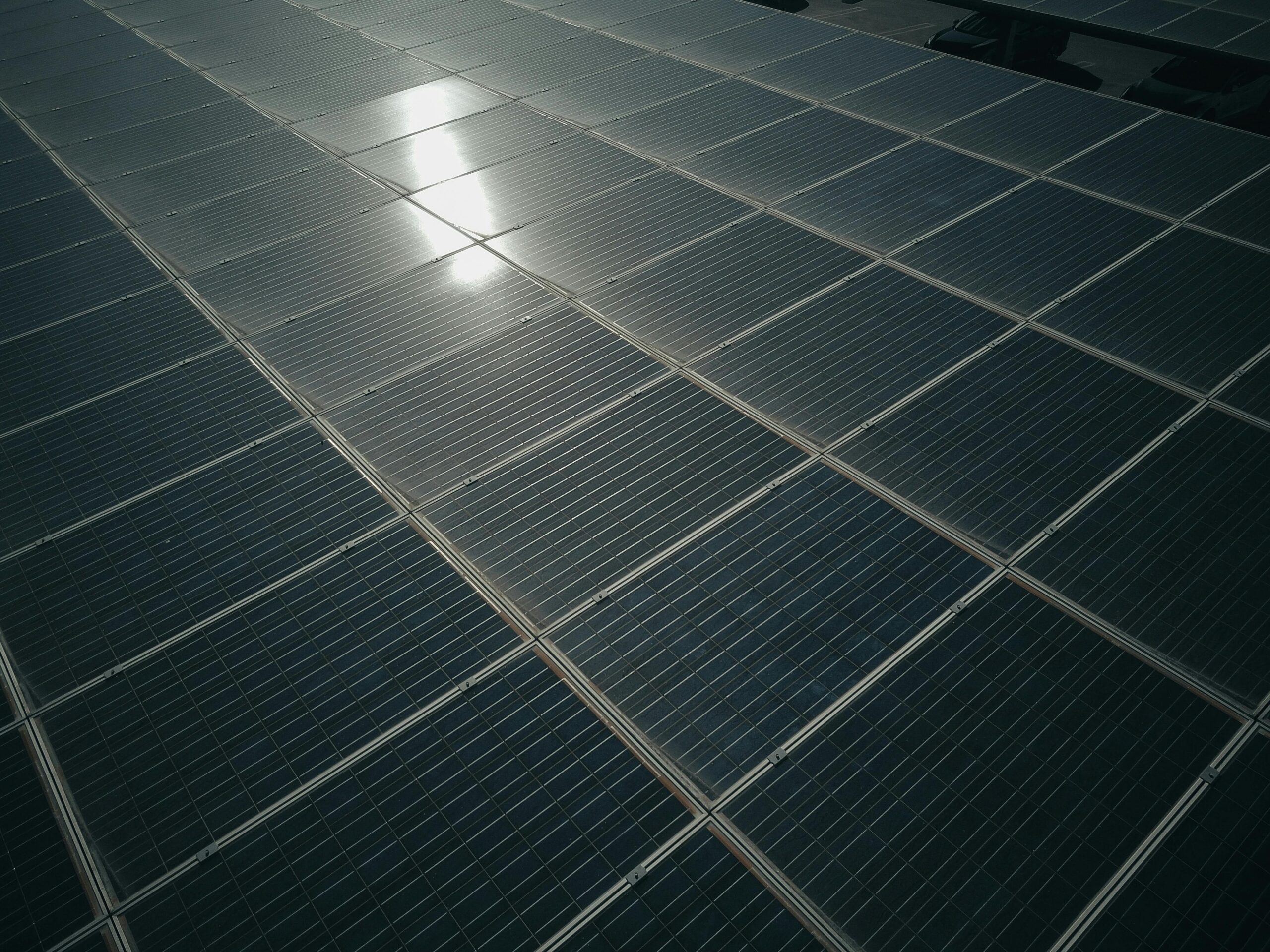
The global energy landscape is undergoing a transformative shift as smart grid technology emerges as a cornerstone of sustainable development and energy management.

Modern energy systems face unprecedented challenges ranging from rising consumption demands to environmental concerns, making the adoption of intelligent grid infrastructure not just beneficial but essential. Smart grid architecture represents a fundamental reimagining of how electricity is generated, distributed, and consumed, integrating digital communication technology with traditional power networks to create responsive, efficient, and resilient energy ecosystems. This revolutionary approach promises to reshape our relationship with energy, enabling real-time monitoring, predictive maintenance, and dynamic load balancing while simultaneously reducing carbon footprints and operational costs.
🌐 Understanding the Foundations of Smart Grid Technology
Smart grid architecture fundamentally transforms traditional power grids by incorporating advanced sensors, two-way communication systems, and sophisticated analytics platforms. Unlike conventional grids that operate on a one-way flow of electricity from power plants to consumers, smart grids create an interactive network where data flows continuously between utilities and end-users.
The core infrastructure includes smart meters, distribution automation systems, advanced metering infrastructure (AMI), and intelligent electronic devices (IEDs) strategically positioned throughout the network. These components work synergistically to collect, transmit, and analyze vast amounts of operational data in real-time, enabling unprecedented visibility into grid performance and energy consumption patterns.
This technological foundation empowers utilities to identify inefficiencies, predict equipment failures before they occur, and respond dynamically to changing demand conditions. The integration of renewable energy sources becomes significantly more manageable as smart systems automatically adjust to the variable nature of solar and wind power generation.
⚡ Key Components Driving Energy Efficiency Improvements
Advanced metering infrastructure stands at the forefront of smart grid efficiency, replacing traditional analog meters with digital devices capable of recording consumption in precise intervals and transmitting data wirelessly. These smart meters eliminate the need for manual readings while providing consumers with detailed insights into their energy usage patterns.
Distribution management systems (DMS) serve as the operational brain of smart grids, coordinating the flow of electricity across complex networks and automatically rerouting power during outages or system disturbances. These sophisticated platforms utilize artificial intelligence and machine learning algorithms to optimize grid operations continuously.
Essential Infrastructure Elements
- Phasor measurement units (PMUs) that provide real-time grid stability monitoring
- Automated switching devices that isolate faults and restore service rapidly
- Energy storage systems that balance supply and demand fluctuations
- Demand response platforms enabling dynamic pricing and load management
- Geographic information systems (GIS) for spatial analysis and network planning
- Cybersecurity protocols protecting critical infrastructure from digital threats
Energy storage integration represents another crucial component, with battery systems and other storage technologies helping to smooth out the intermittency of renewable sources. These systems charge during periods of excess generation and discharge when demand peaks, maximizing the utilization of clean energy resources.
💡 Transforming Consumer Engagement and Energy Awareness
Smart grid technology fundamentally alters the consumer-utility relationship by providing unprecedented transparency into energy consumption. Home energy management systems connected to smart grids allow residents to monitor their usage in real-time through web portals and mobile applications, creating awareness that naturally leads to conservation behaviors.
Dynamic pricing models enabled by smart infrastructure incentivize consumers to shift energy-intensive activities to off-peak hours when electricity is more abundant and less expensive. This demand-side management reduces the need for expensive peaker plants that traditionally operate only during high-demand periods.
Smart thermostats, connected appliances, and automated lighting systems integrate seamlessly with smart grid networks, optimizing energy use based on occupancy patterns, weather forecasts, and grid conditions. These intelligent devices can automatically reduce consumption during peak periods while maintaining comfort levels, contributing to overall system efficiency.
🌍 Environmental Impact and Sustainability Benefits
The environmental advantages of smart grid architecture extend far beyond simple efficiency gains. By facilitating the integration of distributed renewable energy resources, smart grids accelerate the transition away from fossil fuel dependence toward cleaner generation sources.
Rooftop solar installations and small-scale wind turbines can feed excess electricity back into the grid, with smart systems managing the bidirectional flow of power and automatically crediting producers for their contributions. This democratization of energy production creates microgrid ecosystems where communities become active participants rather than passive consumers.
Quantifiable Environmental Advantages
| Benefit Category | Impact Measurement | Sustainability Outcome |
|---|---|---|
| Carbon Emission Reduction | 15-30% decrease | Significant greenhouse gas mitigation |
| Renewable Integration Capacity | 40-60% improvement | Enhanced clean energy adoption |
| Transmission Loss Reduction | 10-20% decrease | Improved energy conservation |
| Peak Demand Management | 25-35% optimization | Reduced infrastructure strain |
Smart grids also reduce energy waste throughout the transmission and distribution process through voltage optimization and power factor correction. These technical improvements ensure that more of the electricity generated actually reaches end-users rather than being lost as heat in transmission lines.
🏢 Industrial and Commercial Applications Revolutionizing Efficiency
Industrial facilities and commercial buildings represent some of the most significant beneficiaries of smart grid technology. Manufacturing plants equipped with intelligent energy management systems can coordinate production schedules with electricity availability and pricing, substantially reducing operational costs while supporting grid stability.
Large commercial buildings utilize building automation systems (BAS) integrated with smart grid infrastructure to optimize HVAC operations, lighting, and other major energy consumers. These systems employ predictive algorithms that anticipate occupancy patterns and weather conditions, pre-cooling or pre-heating spaces during off-peak hours when electricity rates are lower.
Data centers, notorious for their massive energy consumption, leverage smart grid connectivity to implement sophisticated cooling strategies and participate in demand response programs. By temporarily reducing non-critical operations during peak periods, these facilities contribute to grid stability while earning financial incentives.
🔐 Addressing Cybersecurity Challenges in Connected Infrastructure
The interconnected nature of smart grids introduces complex cybersecurity considerations that must be addressed comprehensively. As critical infrastructure becomes increasingly digital and networked, protecting these systems from malicious attacks becomes paramount to national security and economic stability.
Multi-layered security architectures employ encryption, authentication protocols, intrusion detection systems, and continuous monitoring to safeguard smart grid operations. Regular security audits and penetration testing identify vulnerabilities before they can be exploited by adversaries.
Utilities implement zero-trust security models that verify every access request regardless of its origin, preventing unauthorized access even if perimeter defenses are compromised. Segmentation strategies isolate critical control systems from less secure network segments, limiting the potential impact of any security breach.
📊 Data Analytics and Artificial Intelligence Powering Optimization
The massive volumes of data generated by smart grid sensors and meters create opportunities for unprecedented insights when properly analyzed. Advanced analytics platforms process millions of data points continuously, identifying patterns and anomalies that would be impossible for human operators to detect.
Machine learning algorithms predict equipment failures by recognizing subtle changes in operational parameters that precede breakdowns. This predictive maintenance approach allows utilities to replace or repair components before failures occur, avoiding costly outages and extending asset lifecycles.
Artificial intelligence optimizes grid operations by continuously adjusting voltage levels, switching configurations, and power flows based on real-time conditions and forecasted demand. These systems learn from historical patterns and adapt to changing circumstances, becoming more effective over time.
Analytics Applications Transforming Grid Management
- Load forecasting models improving generation scheduling accuracy
- Fault location algorithms reducing outage restoration times
- Energy theft detection systems identifying revenue losses
- Asset health monitoring extending infrastructure lifespan
- Weather correlation analysis predicting demand fluctuations
- Customer segmentation enabling targeted efficiency programs
🚗 Electric Vehicle Integration and Transportation Electrification
The proliferation of electric vehicles presents both challenges and opportunities for smart grid infrastructure. Unmanaged EV charging could strain distribution networks during peak hours, but intelligent charging systems coordinated through smart grids transform vehicles into distributed energy resources.
Vehicle-to-grid (V2G) technology enables electric vehicles to discharge stored energy back into the grid during high-demand periods, effectively creating mobile battery banks that support system stability. Smart charging algorithms schedule vehicle charging during off-peak hours or when renewable generation is abundant, maximizing clean energy utilization.
Public charging infrastructure integrated with smart grid systems provides real-time availability information, dynamic pricing, and seamless payment processing. These connected charging networks support the widespread adoption of electric transportation by eliminating range anxiety and optimizing charging convenience.
🌟 Microgrids and Distributed Energy Resources
Microgrids represent localized energy networks that can operate independently or in coordination with the main grid, enhancing resilience and enabling greater renewable integration. Smart grid architecture facilitates the management of these complex systems, seamlessly transitioning between grid-connected and island modes as circumstances require.
University campuses, military installations, and remote communities deploy microgrids to ensure energy reliability while incorporating local renewable resources. These systems demonstrate how smart technology enables sophisticated coordination among diverse generation sources, storage systems, and loads.
Peer-to-peer energy trading platforms emerging within microgrid communities allow prosumers to buy and sell excess renewable generation directly with neighbors. Blockchain technology integrated with smart grid infrastructure enables transparent, automated transactions that could revolutionize energy markets.
💰 Economic Benefits and Return on Investment
Despite significant upfront investment requirements, smart grid implementations deliver substantial economic returns through operational savings, efficiency improvements, and new revenue opportunities. Utilities reduce operational expenses through automation, optimized maintenance schedules, and decreased energy losses.
Consumers benefit from lower electricity bills resulting from informed consumption decisions and participation in demand response programs. Time-of-use pricing enabled by smart meters incentivizes behavioral changes that reduce peak demand, allowing utilities to defer costly infrastructure expansions.
Job creation accompanies smart grid deployment, with demand growing for skilled technicians, data analysts, cybersecurity specialists, and engineers capable of designing and maintaining these complex systems. This economic stimulus extends beyond the energy sector into manufacturing, telecommunications, and information technology industries.
🔮 Future Innovations Shaping Tomorrow’s Energy Networks
Emerging technologies promise to enhance smart grid capabilities further, with quantum computing potentially revolutionizing optimization algorithms and enabling real-time solutions to previously intractable problems. Advanced materials like superconductors could dramatically reduce transmission losses, while improved battery technologies extend storage capabilities.
Edge computing brings processing power closer to grid endpoints, reducing latency and enabling faster autonomous decision-making at the network periphery. This distributed intelligence architecture improves resilience by maintaining functionality even if central systems experience disruptions.
Digital twin technology creates virtual replicas of physical grid infrastructure, allowing utilities to simulate scenarios, test operational strategies, and train personnel without risking actual equipment or service reliability. These sophisticated models continuously update based on real-world data, maintaining accuracy as systems evolve.
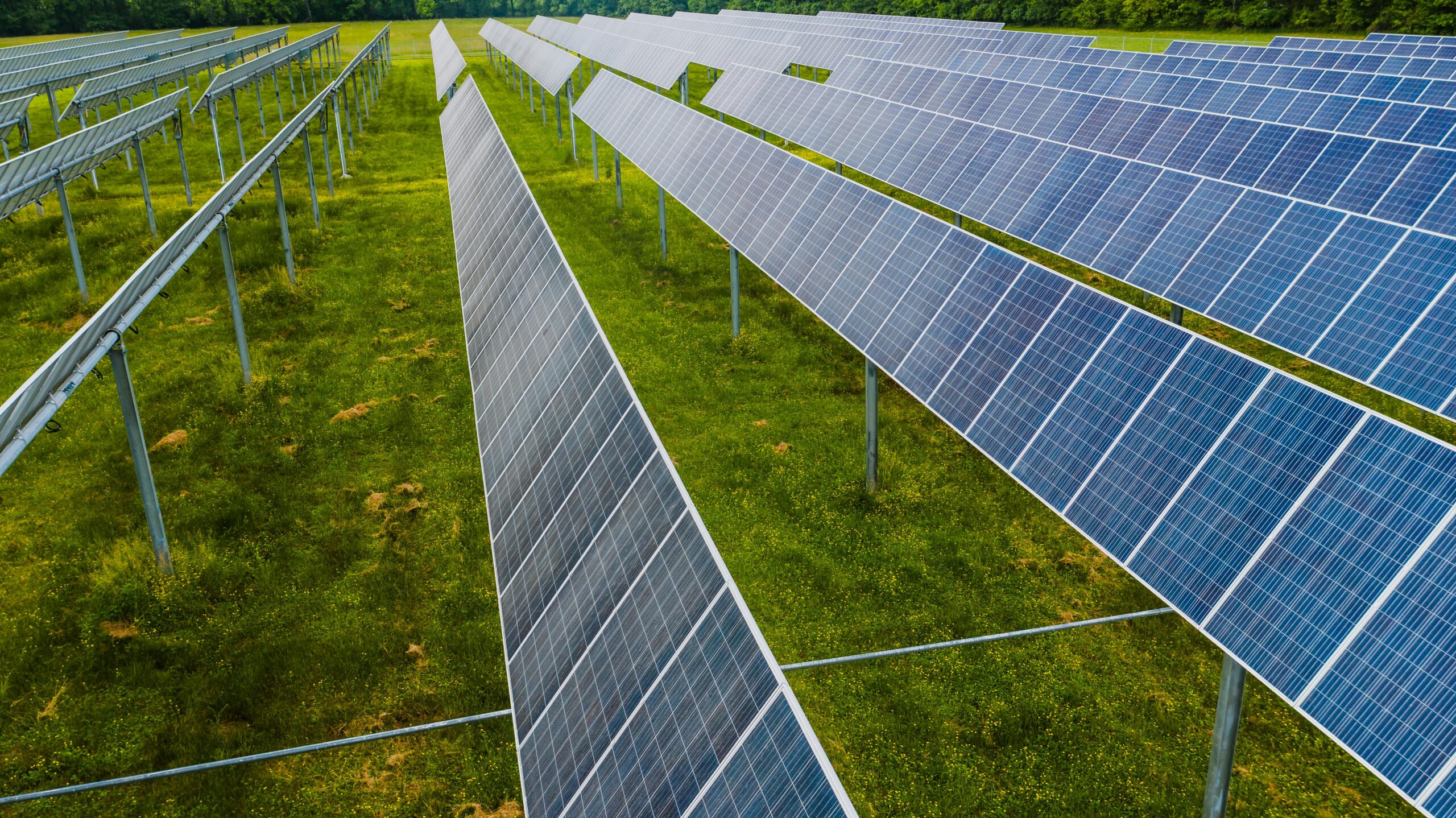
🌱 Empowering a Sustainable and Connected Energy Future
Smart grid architecture represents far more than incremental improvement to existing infrastructure—it embodies a fundamental transformation in how society generates, distributes, and consumes energy. By creating intelligent, responsive networks that optimize efficiency while enabling renewable integration, these systems provide essential tools for addressing climate challenges and building sustainable communities.
The convergence of digital technology with energy infrastructure creates unprecedented opportunities for innovation, efficiency, and environmental stewardship. As deployment expands globally, smart grids will continue evolving, incorporating emerging technologies and adapting to changing needs while maintaining their core mission of delivering reliable, affordable, and clean electricity.
Success in this transformation requires collaboration among utilities, technology providers, policymakers, and consumers working toward shared sustainability goals. The connected, efficient energy future enabled by smart grid architecture is not merely aspirational but increasingly achievable as technology matures and adoption accelerates worldwide. Through continued investment, innovation, and commitment to environmental responsibility, smart grids will power the sustainable societies of tomorrow while addressing the urgent energy challenges of today.