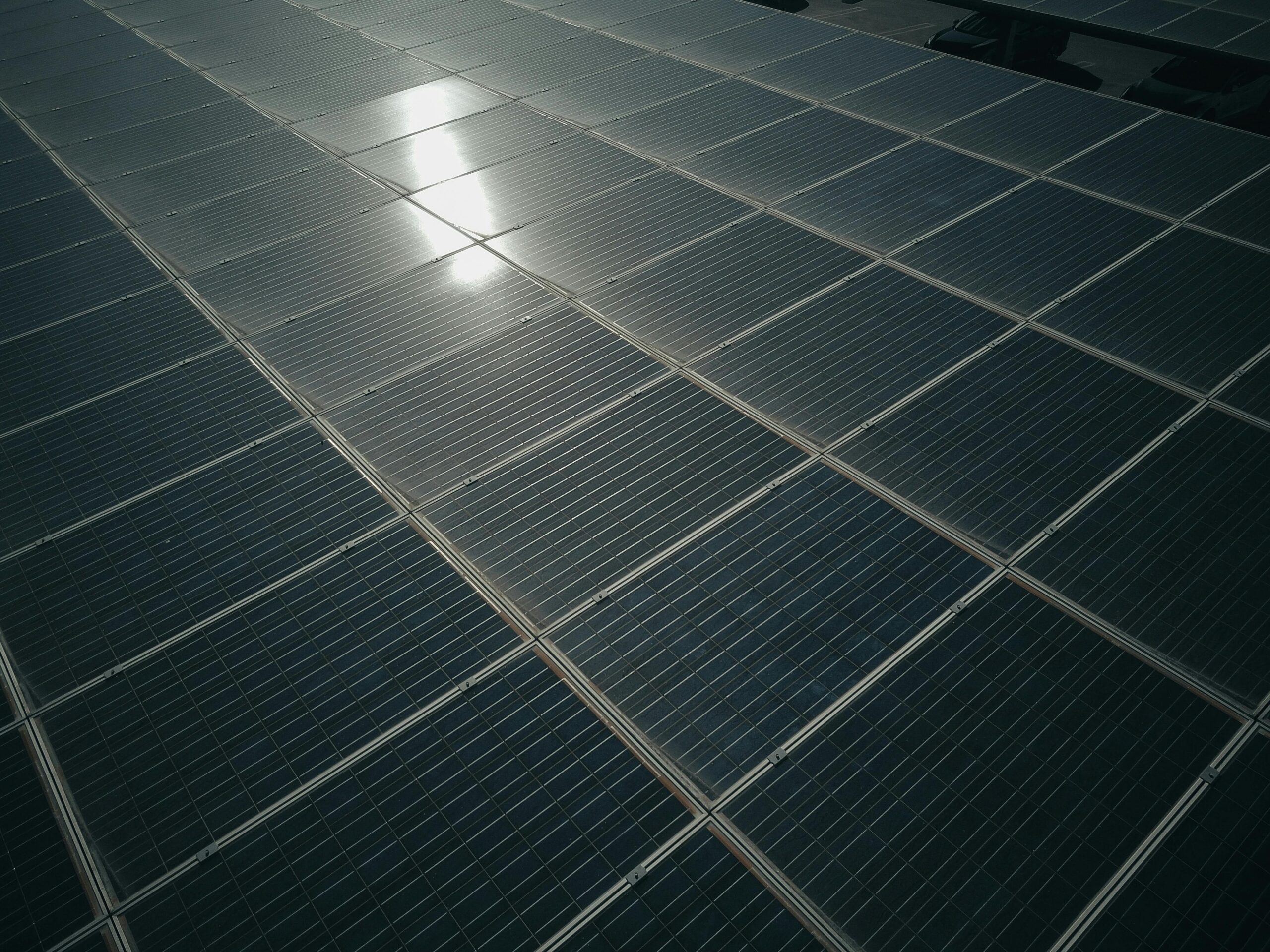
The future of sustainable energy may literally be beneath our feet. Energy-harvesting surfaces represent a groundbreaking approach to power generation, transforming everyday environments into active participants in our renewable energy ecosystem.

As global energy demands continue to escalate and climate concerns intensify, the quest for innovative power solutions has never been more urgent. Energy-harvesting surfaces offer a compelling vision: converting the kinetic energy from footsteps, vehicle traffic, and environmental vibrations into usable electricity, all while seamlessly integrating into our existing infrastructure.
⚡ Understanding Energy-Harvesting Surface Technology
Energy-harvesting surfaces operate on the principle of converting mechanical stress and motion into electrical energy through piezoelectric, electromagnetic, or triboelectric mechanisms. When pressure is applied to these specially designed surfaces—whether from pedestrian footfall, vehicular movement, or structural vibrations—they generate small amounts of electricity that can be captured, stored, and utilized.
Piezoelectric materials form the backbone of many energy-harvesting systems. These remarkable substances generate an electric charge when mechanically stressed, creating a direct pathway from physical pressure to electrical power. Crystals like quartz, certain ceramics, and advanced polymers exhibit this property, making them ideal candidates for integration into flooring, roadways, and walkways.
The technology extends beyond simple pressure conversion. Electromagnetic induction systems use the movement of magnets relative to coils to generate current, while triboelectric nanogenerators harness the charge separation that occurs when different materials come into contact and separate. This diversity of approaches allows engineers to customize solutions for specific environments and use cases.
🏙️ Real-World Applications Transforming Urban Spaces
Cities worldwide are experimenting with energy-harvesting pavements in high-traffic areas. Tokyo’s bustling Shibuya Crossing tested piezoelectric tiles that captured energy from thousands of pedestrians crossing daily. The generated power, though modest per step, accumulated significantly given the enormous foot traffic, powering nearby LED displays and streetlights.
Train stations represent particularly promising venues for this technology. London’s Waterloo Station installed energy-harvesting floors in 2009, capturing power from commuter footsteps to contribute to the station’s lighting needs. Each footstep generated approximately 5 to 7 watts of power, and with millions of passengers annually, the cumulative effect proved substantial.
Highway systems present another frontier. Several pilot programs have embedded piezoelectric sensors beneath road surfaces to harvest energy from passing vehicles. Israel’s Innowattech developed systems capable of generating significant power from highways, with estimates suggesting a one-kilometer stretch of dual-lane highway could produce up to 400 kilowatts under heavy traffic conditions.
🏢 Commercial and Residential Integration
Shopping malls, airports, and entertainment venues generate massive foot traffic, making them ideal candidates for energy-harvesting floor installations. These environments benefit from dual advantages: power generation and the novelty factor that enhances visitor experience. Interactive displays showing real-time energy production engage customers while demonstrating corporate sustainability commitments.
Residential applications are emerging as technology costs decrease. Energy-harvesting tiles in home entryways, kitchen floors, and hallways can contribute to household power needs, particularly when integrated with smart home systems. While not replacing traditional power sources entirely, they reduce overall consumption and provide backup power capabilities.
Dance floors and fitness centers have embraced this technology with particular enthusiasm. The kinetic energy from dancing, running on treadmills, or performing exercises converts directly into electricity. Club Watt in Rotterdam pioneered this concept, powering DJ equipment and lighting partially through dancer-generated energy, creating an engaging narrative about collective energy creation.
🌍 Environmental Benefits and Sustainability Impact
The environmental advantages of energy-harvesting surfaces extend beyond simple power generation. By converting otherwise wasted kinetic energy into electricity, these systems improve overall energy efficiency without requiring additional land use—a critical consideration as renewable energy projects often compete with agriculture and conservation needs for space.
Carbon footprint reduction represents a measurable benefit. While individual installations may generate modest power, scaled deployment across urban environments could displace significant fossil fuel consumption. A comprehensive implementation in a major metropolitan area could potentially offset thousands of tons of carbon dioxide emissions annually.
The technology aligns perfectly with circular economy principles. Energy-harvesting surfaces capture and utilize energy that would otherwise dissipate as waste heat and vibration. This approach to resource optimization exemplifies the type of innovative thinking necessary to address climate challenges while maintaining modern lifestyles.
💡 Technical Challenges and Engineering Solutions
Despite their promise, energy-harvesting surfaces face significant technical hurdles. Durability concerns top the list—materials must withstand constant mechanical stress from foot and vehicle traffic while maintaining energy conversion efficiency. Weather exposure, temperature fluctuations, and physical wear test these systems rigorously.
Energy conversion efficiency remains a limitation. Current piezoelectric systems typically convert only 1-5% of mechanical energy into electricity. While sufficient for many applications, this efficiency ceiling necessitates large surface areas to generate meaningful power quantities. Ongoing research focuses on improving conversion rates through advanced materials and optimized system designs.
Installation costs present another barrier to widespread adoption. Specialized materials, skilled installation requirements, and integration with existing electrical infrastructure create substantial upfront expenses. Economic viability depends on long operational lifespans and consistent energy production to justify initial investments.
🔬 Innovative Materials Driving Next-Generation Systems
Material science breakthroughs continue pushing energy-harvesting surface capabilities forward. Researchers are developing flexible piezoelectric polymers that maintain high conversion efficiency while offering greater durability than traditional ceramics. These materials can conform to irregular surfaces and withstand repeated flexing without degradation.
Graphene and other two-dimensional materials show exceptional promise. Their remarkable electrical properties, mechanical strength, and flexibility make them ideal for next-generation energy harvesters. Graphene-based triboelectric generators have demonstrated impressive power outputs relative to their thickness, potentially enabling ultra-thin harvesting surfaces.
Composite materials combining multiple energy-harvesting mechanisms in single systems represent a frontier research area. Hybrid devices capturing both piezoelectric and triboelectric effects simultaneously can achieve higher overall efficiency than single-mechanism systems, maximizing power generation from available mechanical energy.
📊 Economic Considerations and Market Potential
The global market for energy-harvesting technologies is projected to experience substantial growth over the coming decade. Industry analysts forecast the market reaching several billion dollars as costs decline and performance improves. Government incentives for renewable energy adoption further accelerate market development.
Return on investment calculations vary significantly based on installation context. High-traffic commercial environments may achieve payback periods of 5-10 years, while residential applications currently require longer timeframes. As manufacturing scales and technology matures, economic viability continues improving across applications.
Emerging business models are making these systems more accessible. Energy-as-a-service arrangements allow property owners to install harvesting surfaces with no upfront costs, instead sharing generated power or paying based on actual energy production. These innovative financial structures remove adoption barriers and accelerate deployment.
🚀 Future Developments and Emerging Trends
Smart surface integration represents the next evolutionary step. Energy-harvesting floors equipped with sensors can simultaneously generate power and collect data about foot traffic patterns, structural stress, and environmental conditions. This dual functionality adds value beyond energy production, supporting smart city initiatives and infrastructure monitoring.
Wireless charging integration is emerging as a compelling feature. Imagine walking across a surface that both generates energy from your footsteps and wirelessly charges your mobile devices simultaneously. Several research teams are developing systems combining these capabilities, potentially eliminating the need for charging cables in public spaces.
Biomechanical energy harvesting from wearable surfaces shows tremendous potential. Shoes with energy-harvesting soles could power fitness trackers, medical monitoring devices, or emergency communication equipment. Military applications are particularly interested in reducing battery weight for soldiers by generating power from walking and movement.
🏗️ Infrastructure Implementation Strategies
Successful large-scale deployment requires thoughtful integration with existing infrastructure. Retrofitting existing surfaces presents challenges but avoids the disruption of complete reconstruction. Modular tile systems that install over current flooring offer practical compromise solutions, enabling phased implementations that spread costs over time.
New construction projects provide ideal opportunities for energy-harvesting surface integration. Building these systems into initial designs optimizes placement, maximizes efficiency, and reduces installation costs compared to retrofitting. Forward-thinking building codes and sustainability certifications increasingly encourage or require such innovations.
Public-private partnerships are proving effective for major infrastructure projects. Governments provide regulatory support and potential subsidies while private companies handle installation, maintenance, and technology development. These collaborations distribute risks and leverage strengths from both sectors.
🔋 Energy Storage and Distribution Systems
Effective energy harvesting requires robust storage solutions. The intermittent nature of foot traffic and vehicle movement necessitates battery systems or capacitors to smooth power output and provide consistent electricity supply. Advanced battery technologies, particularly solid-state and flow batteries, complement harvesting surfaces effectively.
Grid integration presents both opportunities and challenges. While generated power can supplement grid electricity, managing numerous small, distributed generation points requires sophisticated control systems. Smart grid technologies enable efficient integration, but standardization and compatibility remain ongoing concerns.
Microgrid applications offer compelling use cases. Energy-harvesting surfaces can anchor local power systems for parks, campus environments, or remote facilities, reducing dependence on centralized power generation. Battery storage combined with harvesting surfaces creates resilient, sustainable power solutions for these contexts.
🌟 Social and Cultural Dimensions
Public engagement with energy-harvesting surfaces extends beyond practical benefits. These visible demonstrations of renewable energy technology raise awareness about sustainability and individual impact on energy systems. Interactive displays showing real-time power generation transform mundane activities like walking into tangible contributions to environmental goals.
Educational opportunities abound. Schools installing energy-harvesting floors create living laboratories where students directly experience renewable energy principles. This hands-on exposure inspires interest in STEM fields and cultivates environmental consciousness among young people who will shape future energy policies.
Community ownership models are emerging where neighborhoods collectively invest in and benefit from local energy-harvesting installations. This approach builds social capital, distributes economic benefits equitably, and strengthens community resilience through localized power generation.
🎯 Strategic Implementation for Maximum Impact
Identifying optimal installation locations maximizes return on investment and environmental impact. High-traffic pedestrian areas, busy roadways, and transportation hubs generate consistent mechanical energy suitable for harvesting. Traffic pattern analysis and pedestrian flow studies inform strategic placement decisions.
Pilot projects demonstrate viability and build stakeholder confidence. Starting with small-scale installations allows organizations to assess performance, gather data, and refine approaches before committing to larger deployments. Successful pilots create momentum for expansion and attract additional investment.
Performance monitoring systems are essential for validating energy production claims and optimizing system operation. Real-time data collection enables predictive maintenance, efficiency improvements, and valuable insights for future installations. Transparency in reporting builds credibility and accelerates market acceptance.
🌐 Global Perspectives and Regional Variations
Different regions face unique opportunities and challenges with energy-harvesting surfaces. Dense urban environments in Asia offer enormous foot traffic volumes ideal for pedestrian energy harvesting. European cities with strong sustainability commitments are early adopters, integrating these systems into urban renewal projects.
Developing nations may benefit disproportionately from this technology. Off-grid communities lacking reliable electricity infrastructure can utilize energy-harvesting surfaces to power essential services like lighting, communication equipment, and water pumps without extensive electrical grid development.
Climate considerations influence system design and performance. Temperature extremes affect material properties and energy conversion efficiency. Regional customization ensures optimal performance across diverse environmental conditions, from arctic installations to tropical applications.

🔮 The Road Ahead: Vision for 2035
Looking forward, energy-harvesting surfaces will likely become ubiquitous components of urban infrastructure. As costs decline and performance improves, default inclusion in construction projects will replace current niche applications. Cities will generate significant portions of power needs from the kinetic energy of daily activities.
Integration with other renewable technologies will create comprehensive sustainable energy systems. Solar panels, wind turbines, and energy-harvesting surfaces will work synergistically, compensating for each other’s limitations and providing consistent renewable power across varying conditions.
The ultimate vision extends beyond simple power generation. Future surfaces may incorporate self-healing materials, adaptive properties that respond to environmental conditions, and integrated computing capabilities. These intelligent, energy-positive surfaces will actively contribute to building management, public safety, and enhanced quality of urban life.
Energy-harvesting surfaces represent more than technological innovation—they embody a fundamental reimagining of our relationship with energy. By transforming passive infrastructure into active power generators, we unlock potential hidden in plain sight. Every step taken, every vehicle passing overhead becomes a small contribution to sustainable energy future.
The journey from experimental installations to mainstream adoption continues, driven by technological advances, economic improvements, and growing environmental urgency. While challenges remain, the trajectory is clear: the ground beneath our feet will increasingly power the world above it, revolutionizing energy generation from the ground up. 🌱⚡