The future of sustainable living is no longer a distant dream but a rapidly approaching reality. Autonomous energy buildings represent a groundbreaking shift in how we design, construct, and inhabit our spaces, promising complete energy independence.

As climate change accelerates and energy costs continue to rise, the need for self-sufficient buildings has never been more urgent. These innovative structures generate, store, and manage their own energy, creating a closed-loop system that reduces environmental impact while providing long-term economic benefits. The integration of cutting-edge technologies like solar panels, wind turbines, advanced battery storage, and intelligent energy management systems is transforming ordinary buildings into power-generating ecosystems that can sustain themselves indefinitely.
🏗️ Understanding Autonomous Energy Buildings
Autonomous energy buildings, also known as net-zero or energy-positive structures, are designed to produce as much or more energy than they consume over a specific period. Unlike traditional buildings that rely entirely on external power grids, these revolutionary structures incorporate renewable energy generation systems directly into their architecture and infrastructure.
The core principle behind autonomous buildings is energy independence. By combining multiple renewable energy sources with sophisticated storage solutions and smart energy management, these buildings can operate completely off-grid or serve as net contributors to the electrical grid. This approach not only reduces carbon footprints but also provides resilience against power outages and protection from fluctuating energy prices.
Modern autonomous buildings leverage advanced materials, innovative construction techniques, and intelligent automation systems to maximize energy efficiency while minimizing waste. Every aspect of the structure, from its orientation and insulation to its window placement and ventilation systems, is carefully optimized to reduce energy demand while maximizing natural resource utilization.
🌞 Core Technologies Driving Energy Independence
Solar Energy Integration
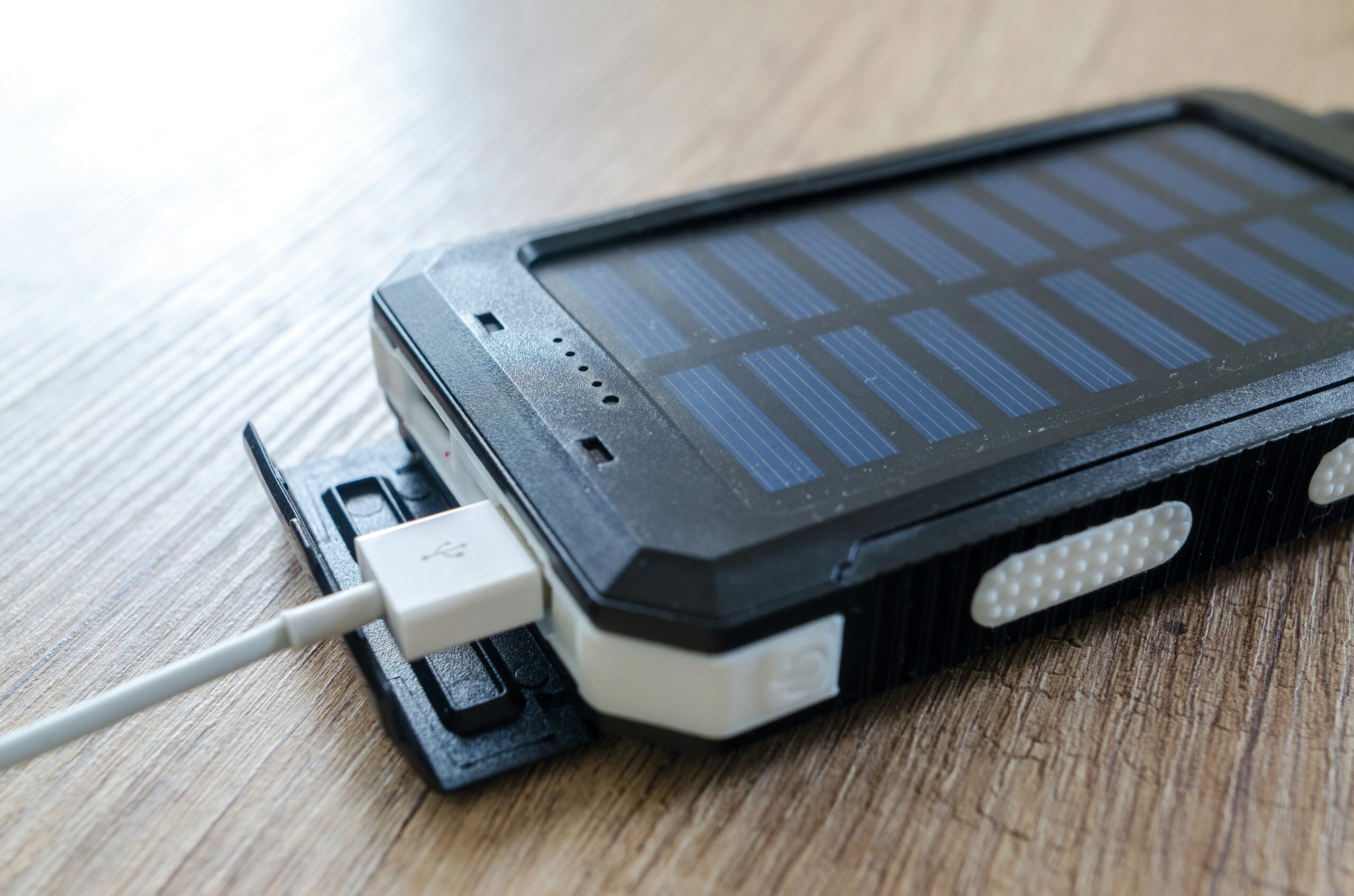
Solar photovoltaic systems remain the cornerstone of most autonomous buildings. Modern solar panels have achieved remarkable efficiency improvements, with some cutting-edge models converting over 25% of sunlight into usable electricity. Building-integrated photovoltaics (BIPV) take this further by incorporating solar cells directly into building materials like roof tiles, facades, and windows.
The latest generation of solar technology includes transparent solar panels that can be installed as windows, allowing natural light to enter while simultaneously generating electricity. Flexible solar films can now be applied to curved surfaces, expanding the potential energy-generating area of any building significantly.
Advanced Energy Storage Solutions
Energy storage is critical for autonomous buildings, as renewable sources like solar and wind are intermittent. Lithium-ion battery systems have become the standard, offering high energy density and decreasing costs. However, emerging technologies like solid-state batteries, flow batteries, and hydrogen storage systems promise even greater capacity and longevity.
Modern battery management systems use artificial intelligence to optimize charging and discharging cycles, predict energy needs based on historical patterns and weather forecasts, and extend battery lifespan through intelligent thermal management. These systems ensure that stored energy is available precisely when needed, maintaining comfortable living conditions regardless of external conditions.
Wind Energy and Micro-Turbines
While solar dominates daytime energy production, wind energy provides crucial supplementary power, especially during nighttime and cloudy conditions. Building-integrated wind turbines have evolved significantly, with new designs minimizing noise and vibration while maximizing energy capture even in urban environments with turbulent airflow.
Vertical-axis wind turbines are particularly well-suited for building integration, as they capture wind from any direction and operate effectively at lower wind speeds. Some innovative designs incorporate turbines into architectural features, making them both functional and aesthetically pleasing.
🧠 Intelligent Energy Management Systems
The brain behind any autonomous energy building is its intelligent energy management system (EMS). These sophisticated platforms use machine learning algorithms to continuously analyze energy production, consumption patterns, and environmental conditions, making real-time decisions to optimize overall system performance.
Modern EMS platforms can predict energy needs hours or days in advance by analyzing factors such as weather forecasts, occupancy schedules, and historical consumption data. This predictive capability allows the system to preemptively adjust heating, cooling, and other energy-intensive operations to align with anticipated energy availability.
These systems also manage load balancing, directing excess energy to storage, prioritizing critical systems during shortages, and even selling surplus power back to the grid when economically advantageous. The integration with smart home devices creates a seamless ecosystem where every appliance, light fixture, and HVAC component works in harmony to minimize energy waste.
🏡 Design Principles for Self-Sufficient Buildings
Passive Design Strategies
Before incorporating active renewable energy systems, autonomous buildings prioritize passive design strategies that minimize energy requirements. Proper building orientation maximizes natural light and solar heat gain in winter while minimizing it in summer. Strategic window placement, overhangs, and shading devices further enhance this natural climate control.
Superior insulation and air sealing reduce heating and cooling demands dramatically. Advanced materials like vacuum-insulated panels, aerogels, and phase-change materials provide exceptional thermal performance in minimal thickness, maintaining comfortable interior temperatures with minimal energy input.
Water Management and Conservation
Truly autonomous buildings extend their self-sufficiency beyond energy to include water management. Rainwater harvesting systems collect and filter precipitation for non-potable uses, while greywater recycling systems treat wastewater from sinks and showers for irrigation or toilet flushing. Some advanced systems even incorporate atmospheric water generators that extract moisture from the air.
Low-flow fixtures, efficient appliances, and drought-resistant landscaping further reduce water consumption, making complete water independence achievable in many climates. When combined with on-site wastewater treatment systems, buildings can achieve true environmental autonomy.
Sustainable Materials and Construction
The materials used in autonomous buildings are selected for their environmental impact, durability, and thermal properties. Recycled and locally-sourced materials reduce embodied energy, while renewable materials like bamboo, cork, and reclaimed wood offer sustainable alternatives to conventional building products.
Cross-laminated timber (CLT) and other engineered wood products are gaining popularity as structural materials, sequestering carbon while providing excellent strength and insulation properties. Bio-based insulation materials like cellulose, hemp, and mycelium offer non-toxic alternatives with minimal environmental impact.
💡 Real-World Applications and Success Stories
Autonomous energy buildings are no longer theoretical concepts but proven realities across the globe. The Bullitt Center in Seattle, Washington, often called the greenest commercial building in the world, generates all its energy through rooftop solar panels and incorporates rainwater harvesting, composting toilets, and advanced ventilation systems to achieve complete self-sufficiency.
In Germany, the Heliotrop is a rotating house that follows the sun throughout the day, maximizing solar energy capture while minimizing heating and cooling needs. This innovative design produces five times more energy than it consumes, making it truly energy-positive.
The Edge in Amsterdam demonstrates how autonomous principles can scale to large commercial buildings. This smart office building uses thousands of sensors to optimize lighting, temperature, and energy use in real-time, achieving unprecedented efficiency levels while maintaining occupant comfort.
Residential examples include the Living Building Challenge certified homes that dot the landscape from California to Canada, proving that energy autonomy is achievable at the single-family home scale. These residences demonstrate that sustainable living doesn’t require sacrificing comfort or aesthetics.
📊 Economic Benefits and Return on Investment
While autonomous energy buildings typically require higher initial investments than conventional construction, the long-term economic benefits are substantial. Energy cost savings begin immediately, and with utility rates continuing to rise, these savings compound over time.
Many jurisdictions offer incentives, tax credits, and rebates for renewable energy installations and energy-efficient construction, significantly reducing upfront costs. Net metering programs allow building owners to sell excess energy back to the grid, creating an additional revenue stream.
Property values for energy-autonomous buildings consistently exceed comparable conventional properties. As energy costs rise and environmental awareness grows, this premium is expected to increase. Additionally, autonomous buildings offer protection against power outages and grid failures, providing value that’s difficult to quantify but increasingly important in our uncertain climate future.
Lifecycle cost analyses consistently show that autonomous buildings achieve payback periods of 7-15 years, after which they provide essentially free energy for the remainder of their lifespan. When factoring in avoided energy costs over 30-50 years, the economic case becomes overwhelmingly positive.
🌍 Environmental Impact and Carbon Reduction
The environmental benefits of autonomous energy buildings extend far beyond individual energy bills. Buildings currently account for approximately 40% of global energy consumption and 30% of greenhouse gas emissions. Transitioning to autonomous, renewable-powered structures could dramatically reduce these figures.
By generating clean energy on-site, autonomous buildings eliminate transmission losses that waste 8-15% of grid electricity. They also reduce demand on centralized power plants, many of which still burn fossil fuels, directly cutting carbon emissions at their source.
The cumulative effect of widespread autonomous building adoption would be transformative. If just 20% of existing buildings were retrofitted to energy autonomy and all new construction achieved this standard, global carbon emissions could decrease by billions of tons annually, making a substantial contribution to climate change mitigation efforts.
🔮 Future Innovations and Emerging Technologies
The field of autonomous energy buildings continues evolving rapidly, with exciting innovations on the horizon. Perovskite solar cells promise higher efficiencies at lower costs than current silicon-based panels. These next-generation cells could be produced using simple printing techniques, dramatically reducing manufacturing costs and energy requirements.
Artificial intelligence and machine learning will become increasingly sophisticated, enabling buildings to learn occupant preferences, anticipate needs, and optimize systems with superhuman precision. Digital twin technology will allow virtual modeling and testing of building performance before construction begins, ensuring optimal design from day one.
Building-integrated agriculture, including vertical gardens and hydroponic systems, will blur the lines between architecture and ecology, creating structures that produce not only their own energy but also food. These living buildings will actively improve air quality, provide natural cooling through evapotranspiration, and create habitat for urban wildlife.
Vehicle-to-building (V2B) technology will enable electric vehicles to serve as mobile battery banks, providing additional storage capacity and grid flexibility. As EV adoption accelerates, this bidirectional energy flow will become an essential component of building energy systems.
🚀 Overcoming Challenges and Barriers
Despite their promise, autonomous energy buildings face several challenges that must be addressed for widespread adoption. Initial costs remain higher than conventional construction, though this gap narrows as technologies mature and achieve economies of scale. Financing mechanisms specifically designed for energy-autonomous projects can help overcome this barrier.
Regulatory frameworks often lag behind technological capabilities, with building codes and utility regulations not designed for energy-positive structures. Advocacy and education are needed to update these policies and create supportive environments for autonomous buildings.
Technical expertise is another limitation, as designing and constructing these sophisticated systems requires specialized knowledge that isn’t yet widespread in the building industry. Training programs, certification systems, and knowledge-sharing platforms are essential for building this capacity.
Public awareness and acceptance also play crucial roles. Many people remain unfamiliar with autonomous building concepts or harbor misconceptions about their complexity, aesthetics, or livability. Demonstration projects, case studies, and educational campaigns can help normalize these innovative approaches.
🌱 The Path Forward: Making Autonomy Accessible
For autonomous energy buildings to achieve their transformative potential, they must become accessible to all socioeconomic groups, not just wealthy early adopters. Community-scale projects, cooperative ownership models, and social housing initiatives can democratize access to energy-autonomous living.
Retrofitting existing buildings presents both challenges and opportunities. While new construction can integrate autonomous systems from the design phase, the vast majority of buildings that will exist in 2050 are already standing today. Developing cost-effective retrofit strategies is essential for achieving meaningful emissions reductions at the necessary scale and pace.
Modular and prefabricated approaches can reduce costs and construction time while maintaining high performance standards. Factory-built components ensure quality control and enable rapid on-site assembly, making autonomous buildings more economically competitive with conventional construction.
Policy support remains crucial. Building energy codes that mandate increasingly stringent efficiency standards, renewable energy incentives, and streamlined permitting processes for autonomous systems will accelerate adoption. Carbon pricing mechanisms that reflect the true environmental costs of fossil fuel energy will further shift economic calculations in favor of autonomous buildings.
🏆 Creating a Sustainable Legacy
Autonomous energy buildings represent more than technological advancement; they embody a fundamental reimagining of humanity’s relationship with the built environment. Rather than extracting resources and generating waste, these structures operate in harmony with natural systems, producing their own power while treading lightly on the planet.
The transition to energy-autonomous buildings is not merely environmentally responsible but economically rational and technically feasible with current technology. As innovations continue and costs decline, the question shifts from whether autonomous buildings are possible to why we would build any other way.
For homeowners, developers, and policymakers, the message is clear: investing in autonomous energy buildings today creates value that compounds over decades while contributing to a more sustainable, resilient, and equitable future. Each autonomous structure built is a statement of possibility, demonstrating that humanity can meet its needs without compromising the planet’s ability to sustain future generations.
The revolution in sustainable living is underway, powered by the sun, wind, and human ingenuity. Autonomous energy buildings stand at the forefront of this transformation, offering a practical pathway to a future where every structure contributes to environmental healing rather than degradation. The technology exists, the economic case is proven, and the environmental imperative is undeniable. The time to act is now, building by building, community by community, toward a truly sustainable and self-sufficient future. ⚡