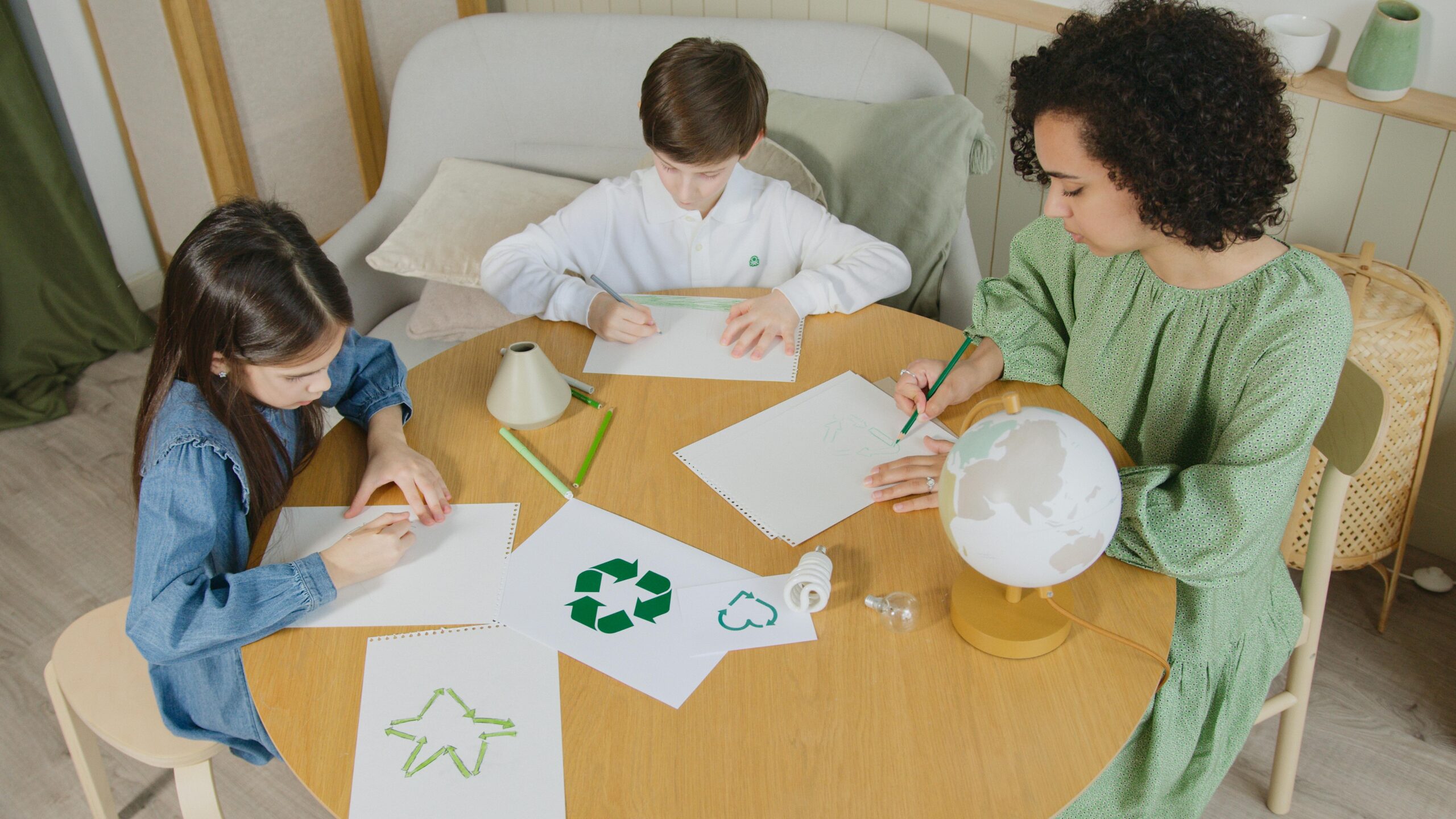
The world stands at a critical juncture where environmental consciousness meets innovative materials science. Biopolymer building blocks are emerging as transformative solutions that promise to reshape our industrial landscape and environmental footprint.

As global pollution reaches alarming levels and fossil fuel resources dwindle, the urgency to find sustainable alternatives has never been more pressing. Traditional petroleum-based plastics have dominated manufacturing for decades, but their environmental toll is becoming increasingly unsustainable. Biopolymers offer a beacon of hope, representing a fundamental shift in how we conceptualize materials, production, and waste management in the 21st century.
🌱 Understanding Biopolymer Building Blocks: Nature’s Answer to Synthetic Materials
Biopolymer building blocks are organic compounds derived from renewable biological sources such as plants, algae, bacteria, and agricultural waste. Unlike conventional plastics manufactured from petroleum, these natural polymers are synthesized through biological processes, making them inherently more compatible with Earth’s ecosystems.
The fundamental advantage of biopolymers lies in their molecular structure. These materials consist of repeating units called monomers that link together to form long chains, similar to synthetic polymers, but with a crucial difference: their biological origin makes them potentially biodegradable and renewable. Common examples include polylactic acid (PLA) derived from corn starch, polyhydroxyalkanoates (PHAs) produced by bacterial fermentation, and cellulose-based materials extracted from plant fibers.
The versatility of biopolymer building blocks extends across numerous applications. From packaging materials and agricultural films to medical implants and automotive components, these sustainable alternatives are proving that environmental responsibility need not compromise performance or functionality.
The Environmental Imperative: Why Biopolymers Matter Now More Than Ever
Our planet faces an unprecedented plastic crisis. Every year, approximately 380 million tons of plastic are produced globally, with a staggering percentage ending up in landfills and oceans. Microplastics have infiltrated every ecosystem, from the deepest ocean trenches to Arctic ice, entering food chains and threatening biodiversity on a massive scale.
Traditional plastics persist in the environment for hundreds of years, fragmenting into smaller pieces but never truly disappearing. This persistence creates a toxic legacy that future generations will inherit. Biopolymers offer a fundamentally different trajectory. When properly disposed of in appropriate conditions, many biopolymers can decompose within months rather than centuries, returning nutrients to the soil rather than accumulating as persistent pollutants.
The carbon footprint advantage is equally compelling. Manufacturing conventional plastics releases substantial greenhouse gases, contributing significantly to climate change. Biopolymer production typically generates 30-70% fewer carbon emissions compared to petroleum-based alternatives, and the plants used as feedstock absorb CO2 during growth, creating a more balanced carbon cycle.
Quantifying the Impact: Environmental Benefits by the Numbers 📊
Research demonstrates measurable environmental advantages across multiple dimensions:
- Reduction in greenhouse gas emissions by up to 70% compared to conventional plastics
- Decreased dependence on finite fossil fuel resources
- Lower energy consumption during production processes
- Potential for complete biodegradation in industrial composting facilities within 90-180 days
- Minimal toxic residue release during decomposition
- Creation of circular economy opportunities through agricultural waste utilization
Revolutionary Applications Transforming Industries 🚀
The practical applications of biopolymer building blocks are expanding rapidly, demonstrating their viability across diverse sectors. Innovation continues to push boundaries, proving that sustainability and functionality can coexist harmoniously.
Packaging Revolution: From Single-Use to Sustainable Solutions
The packaging industry represents one of the most promising frontiers for biopolymer adoption. Food packaging, historically dominated by petroleum-based plastics, is experiencing a green transformation. PLA films are now protecting fresh produce, while PHA-based materials are creating compostable coffee capsules and food containers that break down naturally.
Major brands are embracing this transition. Biodegradable packaging made from biopolymers maintains product freshness while offering end-of-life solutions that align with circular economy principles. Water bottles, shopping bags, and shipping materials are increasingly manufactured from renewable resources, reducing the packaging industry’s environmental footprint substantially.
Medical Marvels: Biocompatible Solutions for Healthcare
The medical field has discovered remarkable applications for biopolymer building blocks. Biodegradable sutures, drug delivery systems, and tissue engineering scaffolds leverage the biocompatible nature of materials like polylactic acid and polycaprolactone. These materials dissolve naturally within the body after serving their purpose, eliminating the need for surgical removal and reducing patient trauma.
Controlled-release medication systems represent another breakthrough. Biopolymer capsules can deliver drugs at precise rates over extended periods, improving treatment efficacy while reducing side effects. This technology is particularly valuable for chronic conditions requiring steady medication levels.
Agricultural Innovation: Protecting Crops While Preserving Ecosystems
Agriculture benefits tremendously from biodegradable mulch films and slow-release fertilizer coatings made from biopolymers. Traditional plastic mulch must be laboriously removed and disposed of after each growing season, often leaving residues that contaminate soil. Biopolymer alternatives decompose naturally, enriching rather than polluting agricultural land.
These materials also reduce water consumption and suppress weed growth effectively, maintaining the functional benefits of conventional plastics while eliminating their environmental drawbacks. Farmers worldwide are reporting improved soil health and reduced labor costs alongside environmental gains.
The Science Behind the Sustainability: How Biopolymers Actually Work
Understanding the molecular mechanisms that make biopolymers special illuminates why they represent such a significant advancement. The production process typically begins with renewable feedstocks like corn, sugarcane, or cellulose-rich plant materials. Through fermentation or chemical processing, these raw materials are converted into monomers that polymerize into long molecular chains.
Bacterial fermentation produces particularly interesting biopolymers. Microorganisms like Ralstonia eutropha naturally accumulate polyhydroxyalkanoates as energy storage compounds. By cultivating these bacteria in controlled environments and feeding them specific nutrients, manufacturers can produce customized biopolymers with tailored properties for different applications.
The biodegradation process is equally fascinating. Microorganisms in soil and compost environments recognize biopolymers as food sources. Enzymes secreted by bacteria and fungi break down the polymer chains into smaller molecules, eventually converting them into water, carbon dioxide, and biomass. This natural decomposition completes the circle of life, contrasting sharply with the persistent accumulation characteristic of conventional plastics.
Tailoring Properties: Engineering Biopolymers for Specific Needs
Modern material science has developed sophisticated techniques to modify biopolymer properties. By adjusting molecular weight, crystallinity, and chemical composition, researchers can create materials ranging from rigid structural components to flexible films. Blending different biopolymers or incorporating natural additives like hemp fibers or lignin further expands the performance spectrum.
Cross-linking technologies enhance mechanical strength and thermal resistance, addressing historical limitations that prevented earlier biopolymers from competing with conventional plastics. These advances mean that sustainable materials no longer require compromise on functionality.
Economic Realities: Breaking Down Cost Barriers 💰
Historically, cost has been the primary obstacle to widespread biopolymer adoption. Production expenses for biopolymers have typically exceeded those of petroleum-based alternatives, creating economic barriers despite environmental advantages. However, this landscape is rapidly changing.
Scaling production is driving costs downward dramatically. As manufacturing capacity increases and processes optimize, the price gap narrows. Several biopolymers have already achieved price parity with conventional plastics in specific applications, and projections suggest broader cost competitiveness within the next decade.
Government policies and consumer preferences are accelerating this economic transition. Plastic taxes, extended producer responsibility regulations, and outright bans on single-use plastics are creating regulatory pressure that favors sustainable alternatives. Simultaneously, consumers increasingly demand eco-friendly products, willing to pay premium prices for environmental responsibility.
Investment in biopolymer technology continues to surge. Venture capital, government grants, and corporate research budgets are funding innovation at unprecedented levels. This financial commitment is accelerating development cycles, bringing new materials to market faster and more affordably than ever before.
Challenges on the Horizon: Obstacles That Must Be Overcome 🔍
Despite tremendous promise, biopolymers face legitimate challenges that require honest acknowledgment and systematic solutions. Performance limitations in certain applications remain, particularly regarding heat resistance and moisture barrier properties. While sufficient for many uses, some demanding applications still require conventional materials or hybrid solutions.
The infrastructure for proper disposal presents another significant hurdle. Many biopolymers require industrial composting facilities to decompose efficiently, yet such facilities remain scarce in many regions. Without proper waste management systems, biodegradable materials may end up in landfills where anaerobic conditions prevent decomposition, negating environmental benefits.
Land use competition raises ethical concerns. Growing crops specifically for biopolymer production could potentially divert agricultural land from food production, creating food security tensions. This concern necessitates strategies that prioritize agricultural waste, algae, and non-food crops as feedstocks, ensuring that sustainability doesn’t compromise human nutrition.
Addressing Misconceptions: What Biopolymers Are Not
Clearing up common misunderstandings is essential for realistic expectations. Not all biopolymers are biodegradable, and not all biodegradable plastics are bio-based. Terms like “bioplastic” encompass diverse materials with varying properties and environmental profiles. Consumer education is crucial to prevent greenwashing and ensure that materials are used and disposed of appropriately.
Biodegradation timelines vary significantly based on environmental conditions. A biopolymer that decomposes rapidly in industrial composting facilities may persist for years in marine environments or landfills. Clear labeling and disposal guidance are essential to maximize environmental benefits.
The Path Forward: Building a Biopolymer-Based Future 🌍
Realizing the full potential of biopolymer building blocks requires coordinated action across multiple fronts. Research institutions must continue advancing material science, developing new biopolymers with enhanced properties and reduced production costs. Collaboration between academia and industry accelerates this process, translating laboratory discoveries into commercial reality.
Policy frameworks play a critical enabling role. Governments can incentivize biopolymer adoption through tax credits, subsidies, and procurement preferences. Regulations establishing minimum recycled content requirements or mandating compostability for certain product categories create market pull that stimulates innovation and investment.
Infrastructure development is equally vital. Expanding composting facilities, establishing collection systems for biodegradable materials, and educating the public about proper disposal ensures that the environmental promise of biopolymers translates into real-world impact. Public-private partnerships can accelerate this infrastructure buildout.
Consumer awareness campaigns empower individuals to make informed choices. Understanding which products contain biopolymers, how to dispose of them properly, and why they matter creates demand that drives market transformation. Grassroots movements and corporate transparency initiatives both contribute to this educational mission.
Innovation Spotlight: Breakthrough Technologies Reshaping the Landscape
Cutting-edge research continues to unveil exciting possibilities. Scientists are developing biopolymers from unexpected sources like food waste, seaweed, and even carbon dioxide captured from industrial emissions. These innovations could transform waste streams into valuable resources while sequestering carbon.
Nanotechnology is enhancing biopolymer performance dramatically. Incorporating nano-cellulose crystals or nano-clays creates composite materials with strength rivaling steel while maintaining biodegradability. These advanced materials are opening applications previously unimaginable for sustainable polymers.
Genetic engineering offers another frontier. Modified microorganisms can produce customized biopolymers with precisely tuned properties, potentially creating materials superior to both conventional plastics and current biopolymers. While ethical considerations require careful navigation, the potential is extraordinary.
Global Momentum: International Efforts Driving Change 🌐
The biopolymer revolution is inherently global, with nations worldwide recognizing the imperative for sustainable materials. The European Union leads regulatory efforts with aggressive targets for plastic reduction and circular economy implementation. Asian countries, particularly Japan and South Korea, invest heavily in biopolymer research and commercialization.
Developing nations see biopolymers as opportunities for economic development. Countries with abundant agricultural resources can leverage biomass production into value-added manufacturing, creating jobs while addressing environmental challenges. International partnerships facilitate technology transfer and capacity building.
Corporate commitments are equally significant. Major multinationals have pledged to transition substantial portions of their packaging to renewable or recyclable materials by specific target dates. These commitments represent billions of dollars in demand for biopolymer materials, driving market growth and innovation.
Empowering Change: What You Can Do Today
Individual actions collectively drive systemic transformation. Choosing products packaged in biopolymers, supporting companies committed to sustainability, and properly disposing of biodegradable materials all contribute meaningfully. Advocacy matters too—contacting elected officials to support pro-environment policies amplifies individual impact.
Staying informed about material science advances helps identify opportunities and avoid greenwashing. Not every product labeled “eco-friendly” delivers genuine environmental benefits. Critical thinking and research enable smart consumer choices that reward authentic sustainability.
Professional involvement multiplies impact. Engineers can specify biopolymers in designs, procurement officers can prioritize sustainable suppliers, and entrepreneurs can build businesses around green materials. Every professional decision shapes markets and accelerates the transition toward sustainability.

Envisioning Tomorrow: The Biopolymer-Powered World
Imagine cities where packaging naturally composts in municipal facilities, returning nutrients to urban gardens. Picture oceans free from persistent plastic pollution, where any material that accidentally enters marine environments safely biodegrades. Envision manufacturing systems that operate in harmony with natural cycles rather than fighting against them.
This vision is achievable. The technology exists today; the challenge is scaling deployment and aligning economic incentives with environmental imperatives. Biopolymer building blocks provide the foundation for this transformation, offering tangible solutions to seemingly intractable problems.
The transition won’t happen overnight, but momentum is building. Each research breakthrough, policy advancement, and consumer choice moves us closer to a genuinely sustainable materials economy. The revolution is underway, powered by innovation, driven by necessity, and guided by a collective commitment to preserving our planet for future generations.
Biopolymer building blocks represent more than just alternative materials—they embody a fundamental reimagining of humanity’s relationship with the natural world. By working with nature’s processes rather than against them, we can build a greener future that sustains both human prosperity and planetary health. The power to revolutionize sustainability lies within these remarkable molecules, waiting to be fully unleashed.