
Earthen architecture is experiencing a remarkable renaissance in contemporary design. As climate concerns intensify and sustainability becomes paramount, architects and builders worldwide are rediscovering the profound wisdom embedded in traditional building techniques that have sheltered humanity for millennia.

The modern revival of earthen construction represents more than nostalgia—it embodies a sophisticated response to environmental challenges. From rammed earth walls to adobe structures, these ancient methods are being reimagined with cutting-edge technology, creating homes that breathe, regulate temperature naturally, and leave minimal ecological footprints while offering unparalleled aesthetic appeal.
🌍 The Ancient Wisdom Behind Earth Building
For over 10,000 years, earthen architecture has provided shelter across diverse climates and cultures. From the towering mud structures of Shibam in Yemen—often called the “Manhattan of the Desert”—to the Great Mosque of Djenné in Mali, earth has proven its durability and versatility. These structures stand as testament to the material’s inherent strength when properly constructed.
Traditional earth building techniques developed organically within local ecosystems, utilizing materials found within walking distance of construction sites. This hyper-local approach minimized transportation impacts while creating buildings perfectly adapted to regional climate conditions. Indigenous builders understood intuitively what modern science now confirms: earth is an exceptional building material with remarkable thermal mass properties.
The knowledge systems surrounding earthen construction were passed through generations, refined through centuries of experimentation. Master builders developed sophisticated techniques for soil selection, moisture content optimization, and structural reinforcement without the benefit of modern testing equipment, relying instead on sensory evaluation and accumulated experience.
Why Earth Architecture Disappeared from Mainstream Construction
The Industrial Revolution fundamentally transformed building practices. Cement, steel, and fired brick became symbols of progress and modernity, while earth construction was increasingly associated with poverty and backwardness. Mass production economies made manufactured materials seemingly more cost-effective than labor-intensive traditional techniques.
Urbanization accelerated this shift as cities demanded rapid construction at unprecedented scales. Earth building, perceived as slow and primitive, couldn’t compete with the speed of concrete and steel construction. Building codes and regulations evolved around industrial materials, often explicitly prohibiting or discouraging earthen construction through restrictive standards.
Professional architectural education largely abandoned earth building curricula, creating generations of architects unfamiliar with these techniques. The knowledge gap widened as fewer practitioners maintained traditional skills, threatening the complete loss of invaluable building wisdom accumulated over millennia.
🌱 The Environmental Case for Earthen Architecture
The construction industry contributes approximately 38% of global carbon dioxide emissions, with cement production alone accounting for 8%. In stark contrast, earth building materials require minimal processing, generate negligible emissions, and often can be returned to the earth at a structure’s end of life without environmental harm.
Earthen walls possess exceptional thermal mass properties, absorbing heat during warm periods and releasing it gradually when temperatures drop. This natural climate regulation significantly reduces heating and cooling energy demands—studies show earth buildings can reduce HVAC energy consumption by 30-60% compared to conventional structures in appropriate climates.
Unlike synthetic insulation materials that degrade over time and may contain harmful chemicals, earth maintains its properties indefinitely. The material breathes naturally, regulating interior humidity without mechanical systems, creating healthier indoor environments that resist mold growth and minimize airborne pollutants.
Comparing Environmental Footprints
| Material | Embodied Energy (MJ/kg) | CO2 Emissions (kg/kg) | Recyclability |
|---|---|---|---|
| Raw Earth | 0.1-0.5 | 0.01-0.02 | 100% Natural Return |
| Concrete | 1.5-2.0 | 0.15-0.20 | Limited Downcycling |
| Fired Brick | 2.5-3.5 | 0.22-0.30 | Moderate |
| Steel | 30-35 | 2.5-3.0 | High Energy Required |
Contemporary Techniques Transforming Ancient Methods
Modern earthen architecture integrates traditional wisdom with contemporary innovation. Compressed earth blocks (CEBs) use hydraulic presses to create uniform, high-strength building units without firing, combining the benefits of earth with the convenience of modular construction. These blocks achieve compressive strengths comparable to concrete blocks while maintaining earth’s environmental advantages.
Rammed earth construction has evolved dramatically through pneumatic tamping equipment and engineered formwork systems. Contemporary rammed earth walls achieve remarkable structural performance while showcasing the material’s inherent beauty through stratified color patterns. Stabilization techniques using small amounts of lime or cement enhance durability without significantly compromising environmental benefits.
Digital fabrication technologies are opening unprecedented possibilities for earth construction. Robotic 3D printing with clay-based materials enables complex geometries impossible with traditional formwork. Computational design tools optimize wall thicknesses and configurations for specific climate conditions, maximizing performance while minimizing material use.
Innovations in Earth Building Technology
- Geopolymer stabilization: Using industrial byproducts to enhance earth’s water resistance without traditional cement
- Fiber reinforcement: Integrating natural and synthetic fibers to improve tensile strength and crack resistance
- Prefabrication systems: Manufacturing earth components off-site for faster, more precise assembly
- Hybrid systems: Combining earth with timber, steel, or concrete for optimized structural performance
- Advanced testing methods: Scientific characterization ensuring consistent quality and structural reliability
✨ The Aesthetic Renaissance of Earth Architecture
Beyond environmental performance, earthen architecture offers distinctive aesthetic qualities increasingly valued in contemporary design. The material’s natural color variations—ranging from warm ochres to deep umbers—create visual richness unattainable with manufactured materials. Each wall becomes unique, bearing subtle traces of its geological origin and construction process.
Natural earth surfaces interact beautifully with light, changing character throughout the day as illumination angles shift. The slight irregularities inherent to handcrafted earth construction introduce human scale and warmth absent from industrial building systems. This tactile, sensory quality resonates deeply with occupants, creating spaces that feel nurturing rather than institutional.
Leading contemporary architects are embracing earth as a premium design material rather than economical alternative. Pritzker Prize winners and avant-garde practices showcase earthen construction in high-profile projects, elevating its cultural status and demonstrating its compatibility with cutting-edge architectural expression.
Case Studies: Pioneering Projects Leading the Revival
The Ricola Herb Center in Switzerland, designed by Herzog & de Meuron, demonstrates rammed earth’s potential for industrial architecture. The facility’s massive earth walls provide thermal stability for herb storage while creating a striking architectural statement that challenges perceptions about earth construction’s appropriate applications.
In Australia, the Trunk House by Paul Morgan Architects exemplifies contemporary residential earth architecture. The home’s rammed earth walls transition seamlessly between interior and exterior, creating spatial continuity while providing exceptional acoustic privacy and thermal comfort in Melbourne’s variable climate.
Africa’s Gando Primary School by Diébédo Francis Kéré proves that earthen architecture can address urgent social needs affordably. Using compressed earth blocks and community labor, the project created comfortable, dignified educational spaces that inspired international recognition and demonstrated earth construction’s viability for development projects.
🏡 Practical Considerations for Modern Earth Buildings
Successful earth construction requires careful attention to site-specific conditions. Soil composition analysis determines appropriate construction techniques and any necessary stabilization. Not all earth is suitable for building—ideal soils contain balanced proportions of clay, silt, and sand with minimal organic content.
Moisture protection remains critical for earthen structures. Proper foundation detailing prevents ground moisture wicking, while generous roof overhangs shield walls from direct rainfall. Modern breathable sealers and renders provide additional protection without compromising the wall’s vapor permeability, essential for maintaining healthy interior environments.
Building codes present varying challenges depending on jurisdiction. Progressive regions have developed specific standards for earth construction, while others require extensive engineering documentation to approve projects. Working with experienced professionals familiar with local regulatory landscapes streamlines approval processes.
Essential Elements for Successful Earth Buildings
- Good foundation: Elevated plinths protecting walls from ground moisture and splash-back
- Proper roof design: Adequate overhangs shielding walls from weather exposure
- Quality soil: Appropriate clay content and particle distribution for chosen technique
- Climate compatibility: Techniques matched to local precipitation and temperature patterns
- Skilled execution: Trained builders understanding earth material behavior and construction nuances
Economic Viability and Cost Considerations
Earth construction economics vary significantly based on context. In regions with appropriate soil and available labor, earthen buildings can cost substantially less than conventional construction. Material costs approach zero when site soil is suitable, though specialized equipment or skilled labor may command premium rates in markets where earth construction is uncommon.
Long-term economic benefits often exceed initial construction considerations. Reduced energy consumption generates ongoing savings, while minimal maintenance requirements—properly constructed earth buildings can last centuries—contrast favorably with materials requiring regular replacement or treatment. Superior indoor environmental quality may reduce health costs and increase productivity.
As sustainable construction gains market value, earth buildings increasingly command premium prices in real estate markets. Buyers seeking environmentally responsible homes with distinctive character recognize earth construction’s unique value proposition, potentially offsetting any initial cost premiums through enhanced resale value.
🌾 Social and Community Dimensions
Earth building naturally facilitates community participation. The material’s forgiving nature allows diverse skill levels to contribute meaningfully, creating opportunities for collective building processes that strengthen social bonds. Workshop-based construction models have successfully delivered housing while building local capacity and community cohesion.
Reviving earth construction preserves and transmits cultural heritage. In regions where earth building traditions persisted, modern projects provide contexts for elder knowledge holders to share skills with younger generations. This intergenerational knowledge transfer maintains cultural continuity while adapting traditions to contemporary needs.
The accessibility of earth construction materials democratizes building possibilities. Communities lacking access to industrial supply chains or financial capital can nonetheless construct substantial, durable structures using local resources and human labor, providing pathways toward housing security independent of formal economic systems.
Challenges and Limitations to Address
Despite its advantages, earth construction faces genuine limitations. High rainfall climates require careful detailing and potentially hybrid approaches combining earth with more water-resistant materials for exposed elements. Seismic considerations demand engineered reinforcement strategies in earthquake-prone regions, though research demonstrates earth buildings can achieve excellent seismic performance with appropriate design.
The shortage of experienced earth builders constrains widespread adoption. Comprehensive training programs and certification systems are needed to develop practitioner capacity at scale. Universities and vocational schools must reintegrate earth construction into curricula, creating pathways for new professionals to develop expertise.
Perception barriers persist despite growing awareness. Many potential clients associate earth with poverty or instability, requiring education about contemporary earth construction’s performance and durability. Showcasing high-quality examples and disseminating performance data gradually shifts these perceptions.
🌟 The Future Landscape of Earthen Architecture
The earthen architecture revival continues accelerating as climate imperatives intensify. Research institutions worldwide are advancing earth building science, developing new techniques and validating traditional practices through rigorous testing. This expanding knowledge base provides confident foundations for mainstream adoption.
Policy environments are evolving favorably as governments recognize construction’s environmental impacts. Green building incentives increasingly acknowledge earthen construction’s sustainability advantages, while updated building codes remove historical barriers. Some jurisdictions actively promote earth building through demonstration projects and technical assistance programs.
Integration with other sustainable systems creates synergistic possibilities. Earth buildings pair naturally with passive solar design, natural ventilation strategies, and renewable energy systems. As holistic sustainable design becomes standard practice, earth construction’s compatibility with integrated approaches enhances its attractiveness.
Making Earth Architecture Accessible Today
Individuals interested in earth construction can begin by visiting existing projects to experience the material firsthand. Many earth builders offer workshops providing hands-on experience with various techniques, demystifying construction processes and building confidence for potential projects.
Professional support is increasingly available through specialized consultants and architects experienced with earth construction. These professionals can evaluate site suitability, recommend appropriate techniques, navigate regulatory requirements, and connect clients with qualified builders, substantially reducing project risks.
Start small to gain familiarity before committing to major structures. Garden walls, outdoor ovens, or studio spaces provide manageable learning opportunities. Even modest earth building experiences develop appreciation for the material’s qualities and construction logic, informing future decisions.
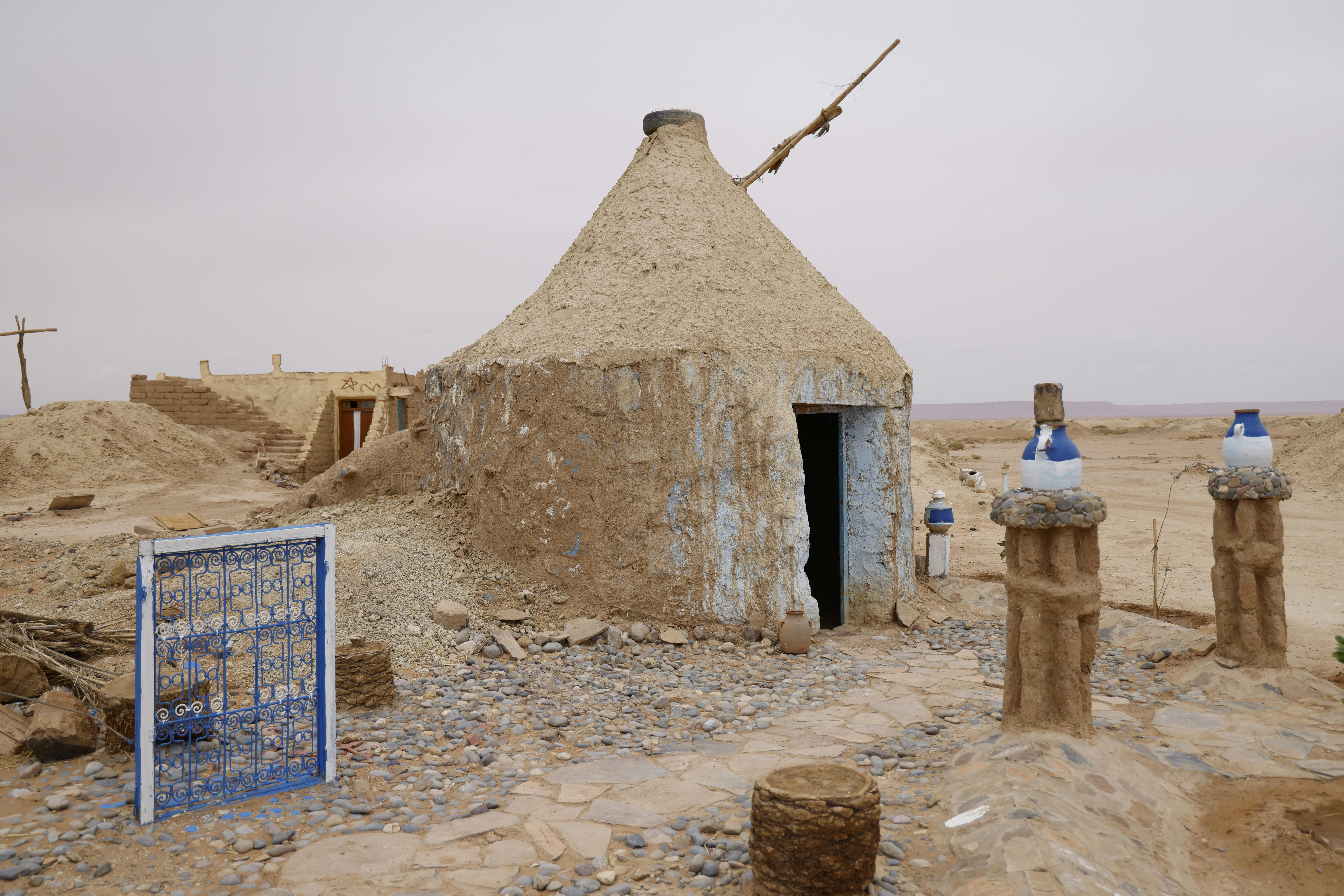
Embracing Timeless Beauty in Modern Living
The modern revival of earthen architecture represents a sophisticated reconciliation of ancestral wisdom with contemporary imperatives. As we confront climate crisis and seek more meaningful relationships with our built environments, earth offers proven solutions refined through millennia yet perfectly suited to twenty-first-century challenges.
These structures embody principles increasingly recognized as essential: local resource utilization, minimal environmental impact, human-scaled craftsmanship, and enduring beauty. Earth buildings demonstrate that sustainability and aesthetic excellence are complementary rather than competing values, offering inspiration for rethinking construction practices across all building types.
The path forward requires collective commitment—from policymakers enabling appropriate regulations, to educators transmitting knowledge, to practitioners advancing techniques, to clients choosing earth for their projects. Each earthen structure contributes to normalizing sustainable construction, creating precedents that inspire others and gradually transform building culture toward regenerative practices that honor both heritage and future generations.