
The global waste crisis has reached unprecedented levels, demanding immediate action and innovative solutions. As industries worldwide grapple with environmental degradation, the shift toward waste-free material production emerges as a beacon of hope for sustainable development.

Our planet generates over 2 billion tons of solid waste annually, with projections indicating this figure could rise to 3.4 billion tons by 2050. This staggering reality has catalyzed a revolutionary movement in manufacturing and production processes, where waste elimination isn’t just an aspiration but an achievable goal through cutting-edge technologies and circular economy principles.
🌍 Understanding the Waste-Free Production Paradigm
Waste-free material production represents a fundamental reimagining of how we create, consume, and dispose of products. Unlike traditional linear production models that follow a “take-make-dispose” pattern, waste-free systems embrace circularity, where every byproduct becomes a resource for another process.
This transformative approach integrates multiple disciplines including materials science, biotechnology, artificial intelligence, and systems engineering. The objective extends beyond merely reducing waste; it aims to eliminate the concept of waste entirely by designing products and processes that regenerate natural systems.
Modern waste-free production leverages biomimicry, studying nature’s closed-loop systems where nothing is wasted. In ecosystems, one organism’s waste becomes another’s nourishment, creating perpetual cycles of resource utilization. Translating these principles to industrial applications has sparked innovations across sectors from textiles to construction materials.
Revolutionary Technologies Driving Zero-Waste Manufacturing
Advanced Material Engineering and Biodegradable Innovations
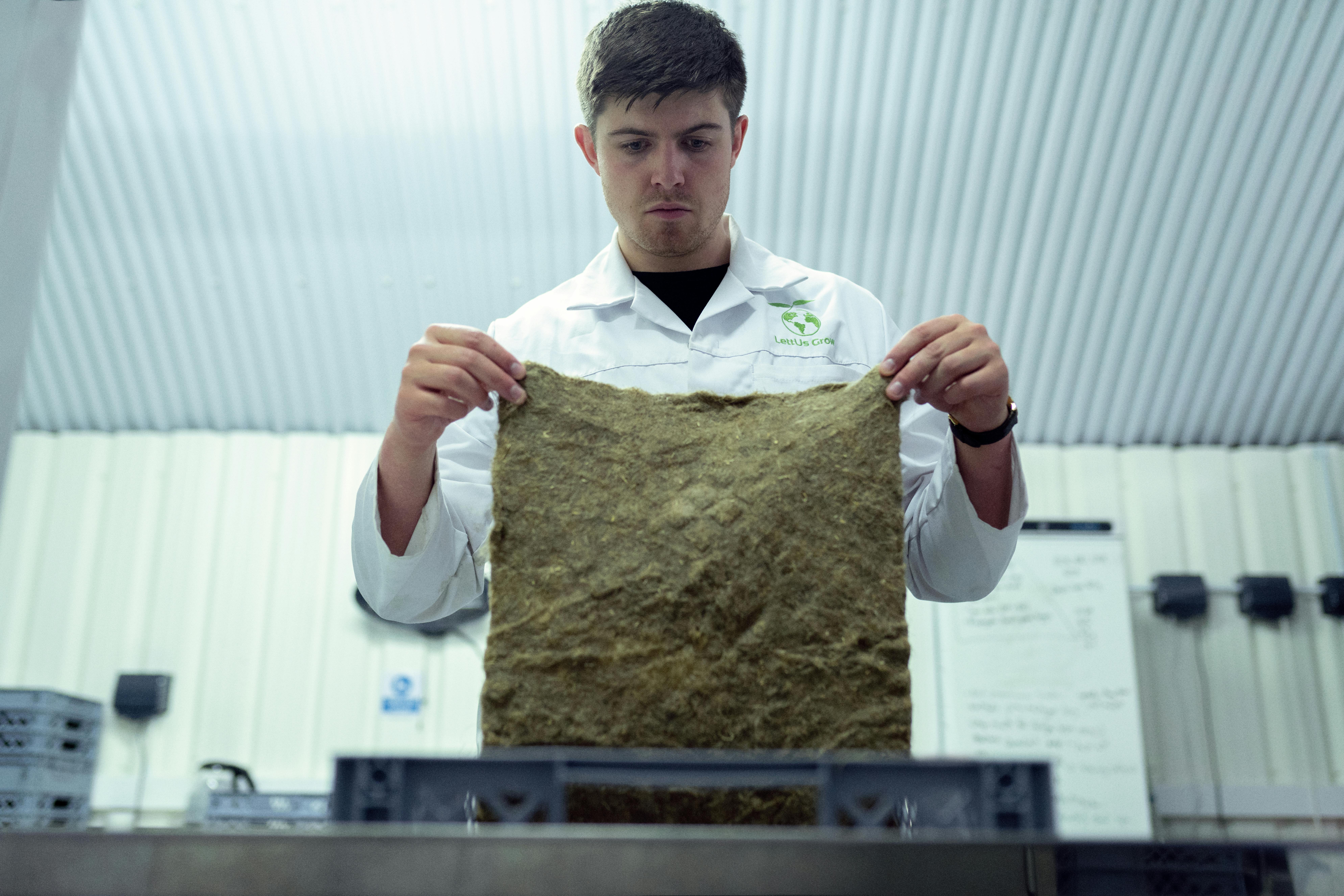
Scientists and engineers are developing breakthrough materials that decompose naturally without leaving harmful residues. Mycelium-based packaging, algae-derived plastics, and bacterial cellulose textiles represent just the beginning of this materials revolution.
Mycelium, the root structure of mushrooms, can be grown into specific shapes and densities, creating packaging materials that are completely compostable within weeks. Companies like Ecovative Design have pioneered this technology, replacing polystyrene foam with fungal alternatives that perform equally well without environmental persistence.
Similarly, researchers have engineered bioplastics from seaweed and agricultural waste that maintain the functionality of conventional plastics while biodegrading in marine environments. These innovations address the critical issue of ocean plastic pollution, which affects over 800 marine species and enters our food chain.
Artificial Intelligence and Predictive Waste Elimination
Machine learning algorithms now optimize production processes with unprecedented precision, predicting equipment failures before they occur and adjusting parameters in real-time to minimize material waste. AI-powered systems analyze vast datasets to identify inefficiencies invisible to human operators.
Smart factories equipped with Internet of Things sensors monitor every stage of production, from raw material input to final product output. These systems detect anomalies immediately, preventing defective batches and reducing scrap rates by up to 80% in some manufacturing environments.
Predictive maintenance powered by AI prevents unexpected equipment breakdowns that traditionally result in significant material waste. By analyzing vibration patterns, temperature fluctuations, and operational data, these systems schedule maintenance precisely when needed, extending equipment life while maintaining optimal performance.
Circular Economy Models Transforming Industries
The circular economy framework has emerged as the cornerstone of sustainable material production. This model keeps materials in use for as long as possible, extracts maximum value during use, and recovers and regenerates products at the end of their service life.
Leading corporations worldwide are transitioning from ownership to service-based models, where they retain product ownership and responsibility throughout the entire lifecycle. This incentivizes designing for durability, repairability, and recyclability rather than planned obsolescence.
Product-as-a-Service Revolution
Companies like Philips have pioneered “lighting as a service,” where customers pay for illumination rather than purchasing light fixtures. Philips retains ownership, ensuring products return for refurbishment or recycling, dramatically reducing waste while maintaining profitability.
This approach extends across industries, from carpet leasing to electronics subscriptions. Manufacturers designing products they’ll receive back naturally prioritize modularity, allowing component replacement without discarding entire units. This shift fundamentally alters economic incentives away from disposability toward longevity.
Industrial Symbiosis and Resource Sharing
Industrial symbiosis networks connect facilities where one company’s waste streams become another’s raw materials. The Kalundborg Symbiosis in Denmark exemplifies this model, with power plants, pharmaceutical facilities, and agricultural operations exchanging energy, water, and materials.
These collaborative ecosystems eliminate waste while reducing costs for all participants. Excess heat from power generation warms nearby fish farms and residential areas. Sludge from pharmaceutical production fertilizes agricultural land. Such interconnected systems demonstrate that waste is simply a resource in the wrong place.
🔬 Breakthrough Innovations Reshaping Material Production
Additive Manufacturing and Precision Production
Three-dimensional printing technologies have revolutionized manufacturing by building objects layer by layer, using only the material necessary for the final product. Unlike subtractive manufacturing that cuts away excess material, additive processes eliminate this inherent waste.
Aerospace companies utilize 3D printing to create complex components with optimized material distribution, reducing weight while maintaining strength. This precision extends to medical implants customized for individual patients, construction materials printed on-site, and even bioprinted tissues using cellular materials.
Metal 3D printing has advanced significantly, allowing manufacturers to produce intricate geometries impossible through traditional methods. These components often weigh 40-60% less than conventional equivalents while maintaining structural integrity, reducing material consumption and energy requirements throughout product lifecycles.
Biotechnology and Living Materials
Synthetic biology enables programming microorganisms to produce materials with desired properties. Engineered bacteria manufacture spider silk proteins stronger than steel, while modified yeast produces leather-like materials without animal agriculture.
These biological production systems operate at ambient temperatures using renewable feedstocks like sugar or agricultural waste. They eliminate the energy-intensive processes and toxic chemicals associated with conventional material production, fundamentally transforming manufacturing paradigms.
Self-healing materials incorporating living organisms represent another frontier. Concrete infused with bacteria that produce limestone when cracks appear can repair itself, extending infrastructure lifespan and reducing demolition waste. Such innovations blur boundaries between living systems and manufactured products.
Implementation Strategies for Waste-Free Production
Design for Disassembly and Material Recovery
Designing products for easy disassembly ensures materials can be efficiently recovered and reused. This requires selecting compatible materials, using reversible fasteners instead of adhesives, and clearly marking material types for sorting.
Modular design principles allow replacing worn components without discarding functional parts. Electronics designed with standardized connections enable upgrades and repairs, extending device lifespans from months to years or decades.
Material passports—digital records documenting all materials in products—facilitate efficient recycling by providing disassembly instructions and material specifications. These blockchain-secured documents travel with products, ensuring information remains accessible throughout multiple use cycles.
Closed-Loop Water Systems
Water-intensive industries are implementing closed-loop systems that treat and recirculate water continuously. Textile dyeing facilities, traditionally massive water polluters, now operate with 95% water recycling rates through advanced filtration technologies.
Membrane bioreactors, reverse osmosis systems, and constructed wetlands purify industrial wastewater to potable standards, eliminating discharge into natural waterways. These systems transform water from a consumed resource to a continuously circulating medium.
📊 Measuring Success: Metrics for Waste-Free Production
Quantifying progress toward waste elimination requires comprehensive metrics beyond simple waste tonnage. Life cycle assessments evaluate environmental impacts from raw material extraction through end-of-life disposal, revealing hidden burdens.
Material circularity indicators measure how effectively materials cycle through systems rather than becoming waste. A score of 100% indicates perfect circularity where all materials continuously return to productive use.
Carbon footprint analyses quantify greenhouse gas emissions across product lifecycles, identifying opportunities for reduction. Water footprint assessments similarly reveal consumption patterns, driving efficiency improvements in water-stressed regions.
Economic Benefits of Sustainable Material Production
Contrary to assumptions that sustainability increases costs, waste-free production often delivers significant economic advantages. Eliminating waste reduces raw material purchases, disposal fees, and regulatory compliance costs.
Companies implementing comprehensive waste reduction programs report average cost savings of 20-30% in material expenses. These savings stem from improved efficiency, reduced defect rates, and recovered value from previously discarded materials.
Brand value increases substantially as consumers prioritize environmentally responsible companies. Studies indicate 73% of millennials will pay more for sustainable products, creating market advantages for early adopters of waste-free practices.
🌱 Overcoming Implementation Challenges
Initial Investment and Infrastructure Requirements
Transitioning to waste-free production requires upfront investments in new equipment, employee training, and process redesign. However, rapid payback periods typically justify these expenditures through operational savings and improved product quality.
Governments worldwide are introducing incentives including tax credits, grants, and subsidized loans for companies implementing sustainable manufacturing practices. These programs reduce financial barriers while accelerating adoption of breakthrough technologies.
Supply Chain Collaboration
Achieving zero waste often requires coordination across supply chains, challenging traditional adversarial supplier relationships. Building collaborative networks where information flows transparently enables system-level optimization impossible within individual organizations.
Digital platforms connecting suppliers, manufacturers, and recyclers facilitate material exchanges and byproduct valorization. These marketplaces transform waste streams into revenue streams while reducing environmental impacts collectively.
Future Horizons: Emerging Technologies and Possibilities
Nanotechnology promises materials with programmable properties that adapt to conditions, extending usability and reducing replacement cycles. Self-assembling nanoparticles could enable products that reconfigure for different purposes, eliminating single-use items.
Quantum computing will accelerate materials discovery, simulating molecular interactions to identify novel compounds with desired properties. This computational approach dramatically reduces the time and resources required for materials development.
Space-based manufacturing may utilize asteroid materials, reducing extraction pressures on Earth while accessing abundant resources. Though years away, such developments could fundamentally alter resource availability and manufacturing paradigms.
Creating System-Wide Transformation
Revolutionizing material production toward complete waste elimination requires coordinated action across sectors. Policymakers must establish regulatory frameworks that internalize environmental costs while incentivizing innovation.
Educational institutions need curricula emphasizing circular design principles, preparing future engineers and designers with sustainability competencies. Cross-disciplinary collaboration between materials scientists, biologists, data analysts, and social scientists will drive breakthrough innovations.
Consumer awareness and demand for sustainable products accelerate market transformation. As understanding grows regarding environmental impacts of purchasing decisions, consumer preferences increasingly favor waste-free alternatives.
🚀 Scaling Solutions for Global Impact
Pilot projects demonstrating waste-free production feasibility must scale to mainstream adoption for meaningful environmental impact. Technology transfer mechanisms help developing nations leapfrog polluting industrial phases, implementing clean production from the outset.
Open-source sharing of successful strategies accelerates global progress. Companies pioneering breakthrough approaches increasingly publish methodologies, recognizing collective environmental challenges require collaborative solutions transcending competitive concerns.
International standards for waste-free production create level playing fields while establishing clear benchmarks. Certification programs verify claims, preventing greenwashing while guiding continuous improvement.
The Path Forward: Building Regenerative Systems
The ultimate vision extends beyond eliminating waste to creating regenerative systems that actively improve environmental conditions. Manufacturing processes could sequester carbon, purify water, and enhance biodiversity rather than merely minimizing harm.
This ambitious goal requires reimagining the relationship between industrial activity and natural systems. Rather than viewing nature as something to protect from industry, regenerative approaches integrate production within ecological systems, enhancing both.
The transition to waste-free material production represents humanity’s most significant industrial transformation since the Industrial Revolution. Success requires technological innovation, economic restructuring, policy evolution, and cultural shifts toward valuing sustainability alongside profitability.
As technologies mature and adoption accelerates, waste-free production will transition from competitive advantage to baseline expectation. Future generations may view our current waste-generating systems with the same bewilderment we reserve for past environmental ignorance. The revolution has begun, and momentum is building toward a genuinely sustainable future where waste becomes an obsolete concept.