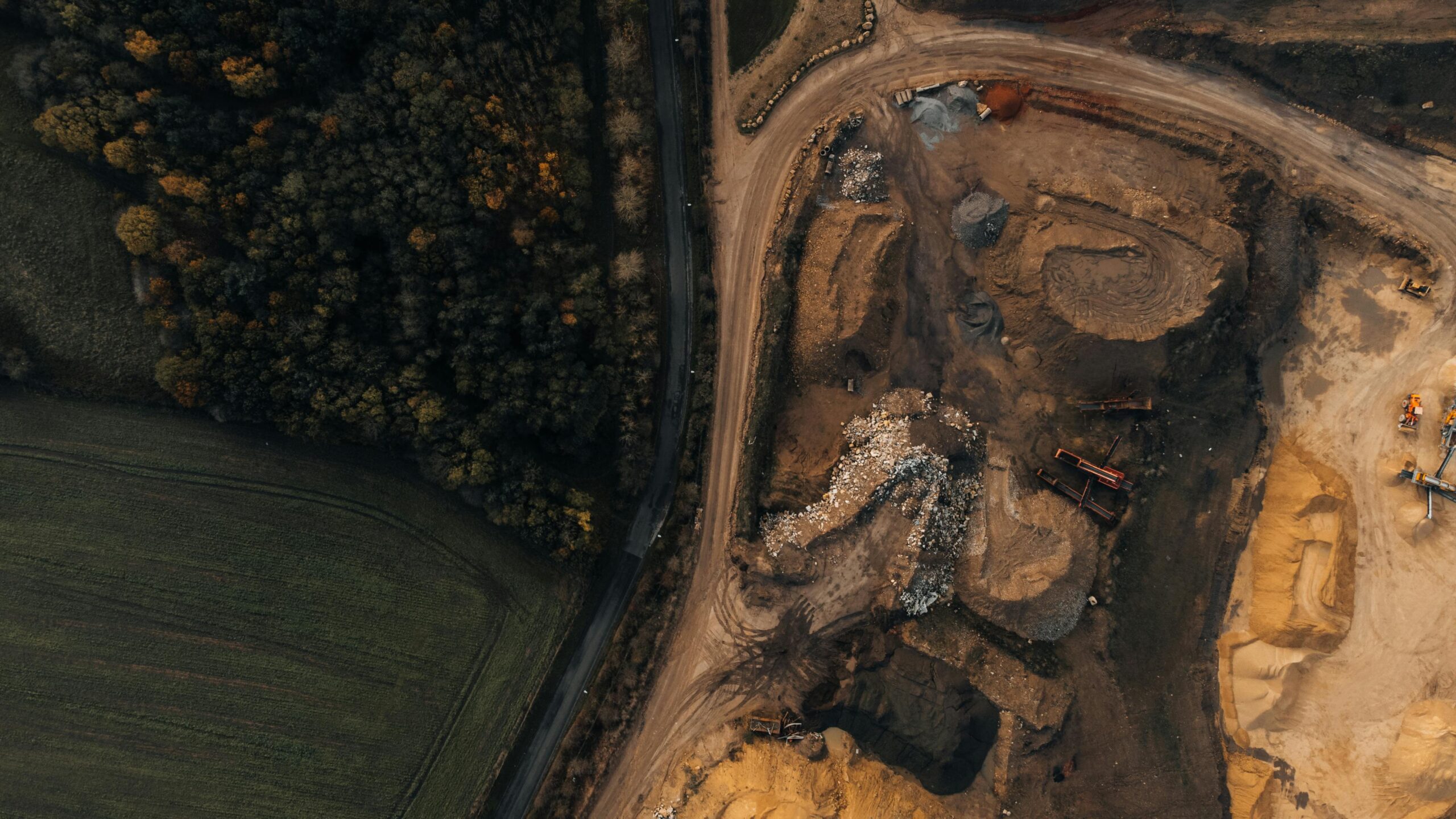
Beneath the concrete jungles of our modern cities lies a forgotten resource with extraordinary potential: soil. Urban soil regeneration is emerging as a transformative solution to create healthier, more sustainable metropolitan environments.

As urbanization accelerates globally, cities face mounting challenges from heat islands, flooding, pollution, and biodiversity loss. The soil beneath our feet, often compacted, contaminated, and neglected, holds the key to addressing these environmental crises. By reviving urban soils, we can transform gray infrastructure into living ecosystems that benefit both people and the planet.
🌱 Understanding the Silent Crisis Below Our Cities
Urban soils have endured decades of abuse and neglect. Construction activities compact the earth, reducing its ability to absorb water and support life. Pollutants from industrial activities, vehicles, and improper waste disposal contaminate these soils with heavy metals and toxic chemicals. The natural soil structure, developed over thousands of years, is disrupted in mere hours by development projects.
This degradation creates a cascading effect on urban ecosystems. Plants struggle to establish roots in compacted soil. Water runoff increases dramatically, overwhelming drainage systems and causing floods. The urban heat island effect intensifies as bare, sealed surfaces replace vegetated ground. Carbon storage capacity diminishes, contributing to climate change rather than mitigating it.
Research indicates that healthy soil can store up to 20% more carbon than degraded urban soils. This represents a significant missed opportunity in our fight against climate change. When we neglect urban soil health, we sacrifice one of nature’s most effective carbon sequestration mechanisms.
The Hidden Power of Regenerated Urban Soil
Regenerating urban soil unleashes remarkable environmental benefits that extend far beyond the ground itself. Healthy soil acts as a natural water management system, absorbing rainfall and reducing flood risks. A single acre of properly managed urban soil can prevent thousands of gallons of stormwater from overwhelming city drainage infrastructure.
The biodiversity benefits are equally impressive. Regenerated soil supports diverse microbial communities, invertebrates, and fungi that form the foundation of healthy ecosystems. These organisms break down pollutants, cycle nutrients, and create conditions for plants to thrive. Urban gardens and green spaces built on healthy soil become havens for pollinators, birds, and other wildlife.
Temperature regulation represents another critical advantage. Vegetated areas supported by healthy soil can reduce local temperatures by 5-7 degrees Celsius compared to sealed surfaces. This cooling effect reduces energy consumption for air conditioning and creates more comfortable outdoor spaces for residents.
Carbon Sequestration Through Soil Restoration 🌍
Urban soil regeneration plays a vital role in climate change mitigation. Soils contain more carbon than all the world’s forests and atmosphere combined. When we restore degraded urban soils and increase their organic matter content, we create powerful carbon sinks right where people live and work.
Studies demonstrate that urban soil management practices can sequester between 0.5 to 2 tons of carbon per hectare annually. Multiplied across thousands of hectares in metropolitan areas, this represents significant climate action. Compost addition, plant cover, and reduced disturbance all contribute to building soil carbon stocks.
Proven Techniques for Urban Soil Regeneration
Transforming degraded urban soils requires systematic approaches adapted to specific urban contexts. Several proven techniques have emerged from successful projects worldwide, offering blueprints for cities ready to embrace soil regeneration.
Decompaction and Structural Restoration
Compacted soil lacks the pore spaces necessary for water infiltration, air circulation, and root penetration. Mechanical decompaction using specialized equipment breaks up hardened layers without damaging existing infrastructure. This process immediately improves water infiltration rates and creates conditions for root growth.
For smaller areas, manual techniques like broad-forking provide effective alternatives. These low-impact methods minimize disturbance to soil biology while opening compacted layers. Following decompaction, adding organic amendments prevents re-compaction and introduces beneficial organisms.
Organic Matter Enrichment
Increasing soil organic matter transforms urban soils from inert substrates into living ecosystems. Compost application represents the most accessible method, introducing nutrients, beneficial microorganisms, and carbon simultaneously. Quality compost should contain diverse feedstocks and be properly matured to avoid plant stress.
Biochar offers additional benefits, particularly for contaminated soils. This charcoal-like material binds pollutants, retains nutrients, and provides habitat for beneficial microbes. Research shows biochar amendments can remain stable in soil for centuries, offering long-term carbon sequestration.
- Apply 2-4 inches of quality compost to existing soil surfaces
- Incorporate compost into the top 6-12 inches when establishing new plantings
- Add biochar at 5-10% by volume for contaminated sites
- Use mulch layers to protect soil and gradually decompose into organic matter
- Consider worm composting for small-scale operations and community gardens
Phytoremediation for Contaminated Sites 🌿
Many urban soils contain elevated levels of heavy metals, petroleum products, or other contaminants. Phytoremediation uses plants to extract, stabilize, or break down these pollutants. Certain plant species accumulate heavy metals in their tissues, gradually cleaning the soil over multiple growing seasons.
Sunflowers, willows, and Indian mustard demonstrate exceptional remediation capabilities. These plants can be grown, harvested, and disposed of properly, removing contaminants from the site. Complementary approaches include using mushrooms to break down petroleum products and establishing microbial communities that degrade organic pollutants.
Implementing Soil Regeneration Across Urban Landscapes
Successful urban soil regeneration requires strategic implementation across diverse urban spaces. Different locations demand tailored approaches that consider existing conditions, intended uses, and available resources.
Street Trees and Parkway Plantings
Street tree pits represent some of the most challenging urban soil environments. Confined spaces, compaction, salt exposure, and limited water create hostile conditions. Regenerating these soils involves expanding planting areas when possible, using structural soils that support both trees and pavement, and incorporating water-harvesting designs.
Silva cells and similar systems provide large volumes of healthy soil beneath paved surfaces. These structural frameworks prevent compaction while allowing roots to spread extensively. Combined with bioswales that capture stormwater, these systems create thriving conditions for street trees.
Parks and Public Green Spaces
Urban parks offer excellent opportunities for comprehensive soil regeneration. These larger areas allow for equipment access, diverse planting schemes, and visible community benefits. Converting turf grass to meadows or native plantings reduces maintenance while supporting biodiversity and soil health.
Aeration programs address compaction in high-traffic areas without complete soil replacement. Top-dressing with compost adds organic matter incrementally. Establishing naturalized areas with minimal mowing allows plant roots to build soil structure while reducing management costs.
Community Gardens and Urban Farms 🥬
Community food production spaces demonstrate soil regeneration principles on human scales. Gardeners witness directly how soil improvements translate into healthier plants and better harvests. These spaces also serve educational functions, teaching urban residents about soil ecology and sustainable practices.
Raised beds filled with quality soil mixtures provide immediate growing opportunities on contaminated sites. In-ground gardens benefit from crop rotation, cover cropping, and continuous compost addition. No-till practices preserve soil structure and protect beneficial organisms.
| Urban Space Type | Priority Techniques | Timeline for Results |
|---|---|---|
| Street Tree Pits | Structural soil, expanded pits, bioswales | 1-3 years |
| Public Parks | Decompaction, native plantings, compost | 2-5 years |
| Community Gardens | Raised beds, composting, cover crops | 1-2 seasons |
| Vacant Lots | Phytoremediation, meadow establishment | 3-7 years |
Overcoming Barriers to Urban Soil Regeneration
Despite compelling benefits, urban soil regeneration faces significant obstacles. Understanding and addressing these barriers is essential for scaling successful programs.
Economic and Policy Challenges
Traditional urban planning prioritizes gray infrastructure over green solutions. Budget allocations reflect this bias, with minimal funding designated for soil health initiatives. Changing procurement processes to value ecosystem services alongside construction costs requires political will and public pressure.
Policy reforms can accelerate adoption. Green infrastructure mandates, soil quality standards for development projects, and incentives for private landowners all create supportive conditions. Some cities now require soil quality assessments before issuing building permits, ensuring new developments don’t further degrade urban soils.
Technical Knowledge Gaps
Many urban planners, landscape architects, and maintenance crews lack training in soil science. Addressing this knowledge gap requires professional development programs, updated educational curricula, and accessible resources. Soil health workshops for municipal staff generate enthusiasm and competence for regeneration projects.
Partnerships with universities and agricultural extension services provide technical expertise. Soil testing programs help identify specific deficiencies and contamination issues. This data-driven approach ensures interventions address actual problems rather than applying generic solutions.
🏙️ Success Stories: Cities Leading the Soil Revolution
Forward-thinking cities worldwide demonstrate that urban soil regeneration is both feasible and transformative. These examples offer inspiration and practical models for other municipalities.
Seattle’s Street Tree Soil Program
Seattle invested in replacing compacted, contaminated tree pit soil throughout downtown areas. The city developed specifications for engineered soils that meet both horticultural and engineering requirements. Results include doubled tree survival rates, reduced sidewalk damage from roots, and improved stormwater management.
The program trains city crews in proper planting techniques and soil handling. Residents can request street tree plantings through an online system, increasing urban canopy cover while engaging the community in greening efforts.
Melbourne’s Urban Forest Strategy
Melbourne recognized that soil volume, not just tree numbers, determines urban forest benefits. The city implemented policies requiring minimum soil volumes for new tree plantings and protecting existing soil resources during construction. Soil sensors monitor moisture and compaction across the urban forest.
This data-driven approach optimizes irrigation and identifies problems before trees decline. Melbourne aims to increase canopy cover from 22% to 40% by 2040, with healthy soil as the foundation for this ambitious goal.
Rotterdam’s Water-Sensitive Design
Facing increased flooding from climate change, Rotterdam integrated soil regeneration into comprehensive water management. The city creates water squares that store rainfall in vegetated basins, green roofs with substantial growing media, and permeable pavements that filter water through healthy soil.
These installations double as public amenities, demonstrating that climate adaptation can enhance urban livability. Soil quality monitoring shows continuous improvement in organic matter and water retention capacity.
Engaging Communities in Soil Regeneration Efforts
Technical approaches alone cannot transform urban soils. Community engagement creates the social infrastructure necessary for sustained success. When residents understand soil’s importance and participate in regeneration efforts, projects gain momentum and political support.
Education and Awareness Campaigns
Many urbanites view soil as mere dirt, unaware of its ecological complexity. Educational programs reveal the hidden life in healthy soil and connect soil health to issues people care about: clean water, flood prevention, food security, and climate action. School programs that include hands-on composting and gardening create lifelong soil stewards.
Public demonstrations of soil regeneration techniques make abstract concepts tangible. Before-and-after comparisons showing improved water infiltration, plant growth, and biodiversity convince skeptics and inspire participation. Social media campaigns using compelling visuals and accessible language reach broader audiences.
Volunteer Programs and Citizen Science 🔬
Volunteer workdays for soil improvement projects build community while accomplishing practical work. Participants learn techniques they can apply in their own yards. These events foster social connections and collective environmental stewardship.
Citizen science programs engage volunteers in soil monitoring, contributing valuable data while deepening understanding. Simple tests for soil texture, pH, and compaction require minimal training but generate useful information. More advanced programs involve volunteers in soil organism surveys, documenting biodiversity recovery.
The Path Forward: Scaling Urban Soil Regeneration
Transforming cities through soil regeneration requires coordinated action across multiple scales and sectors. Individual projects demonstrate possibilities, but systemic change demands integrated strategies that make soil health a planning priority.
Municipal governments must lead by establishing soil quality standards, allocating budgets for regeneration programs, and training staff. Updating regulations to protect existing healthy soils and restore degraded ones creates enabling conditions. Green infrastructure targets should include specific soil health metrics alongside tree canopy and green space goals.
Private sector engagement multiplies impact. Developers who incorporate soil regeneration into projects create value through enhanced property appeal and ecosystem services. Corporate campuses with extensive grounds offer opportunities for demonstration projects that influence broader practices.
Technology and Innovation in Soil Regeneration
Emerging technologies support more effective soil regeneration. Soil sensors provide real-time data on moisture, temperature, and compaction, enabling precision management. Drone-based imaging identifies areas needing intervention across large urban landscapes. Mobile apps help urban farmers and gardeners test soil and receive customized improvement recommendations.
Material innovations include engineered soil mixtures optimized for specific urban conditions, biochar production from urban waste streams, and compost products tailored for different applications. These advances make soil regeneration more accessible and effective.
🌳 Cultivating a Greener Urban Future
The soil beneath our cities represents an untapped resource for addressing our most pressing environmental challenges. Urban soil regeneration offers practical pathways to cooler cities, cleaner water, increased biodiversity, and meaningful climate action. The techniques exist, the benefits are proven, and successful examples demonstrate feasibility.
What remains is expanding these efforts from isolated projects to comprehensive urban strategies. Every tree pit improved, every park restored, and every community garden established contributes to this transformation. As more cities prioritize soil health, we create resilient urban ecosystems that support both human communities and the natural world.
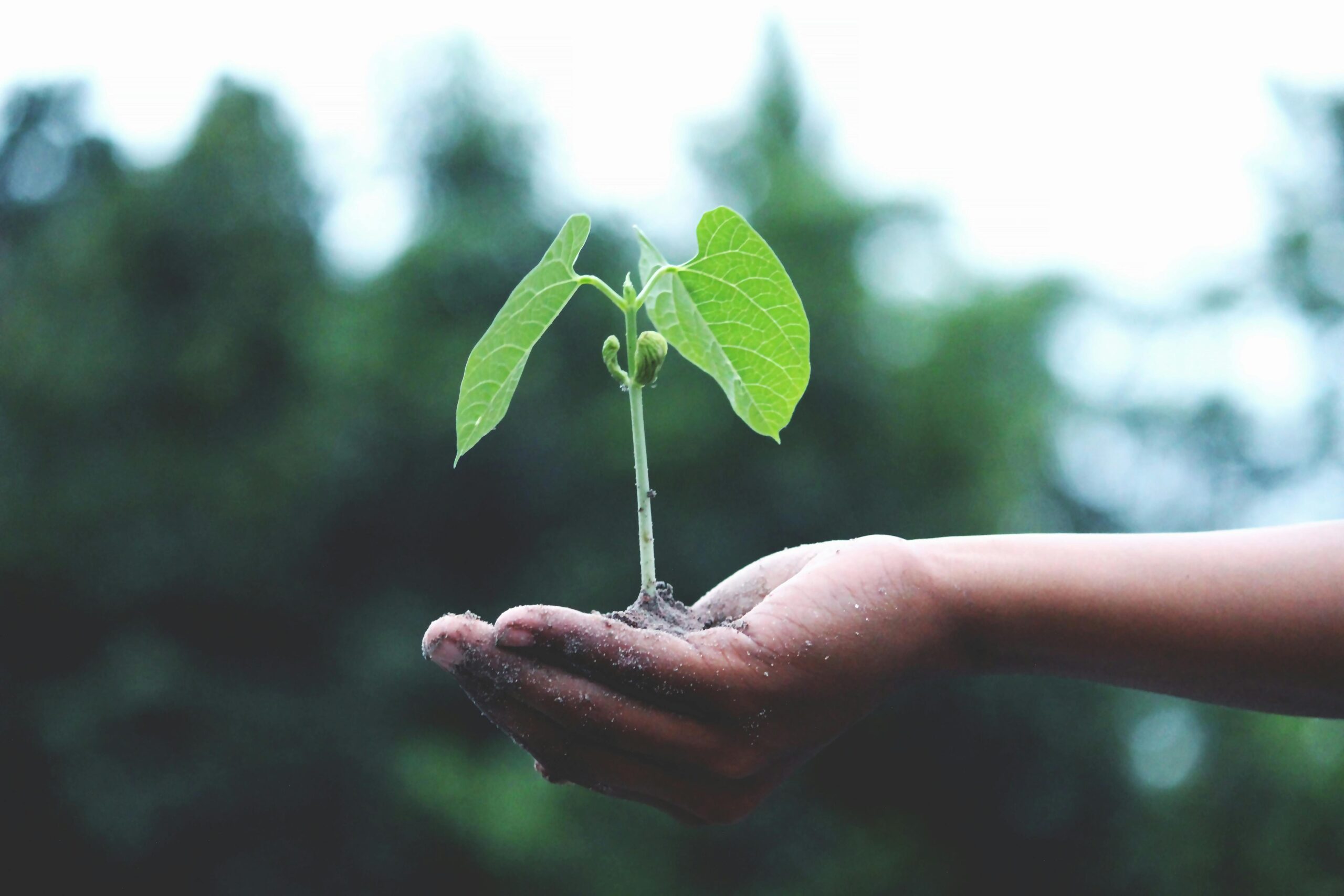
The revolution in urban soil regeneration is already beginning. Cities worldwide are recognizing that healthy soil forms the foundation for sustainable urban development. By looking down and investing in the earth beneath our feet, we build upward toward greener, more livable cities. The transformation starts with a single handful of healthy soil and grows into forests that cool our streets, gardens that feed our neighbors, and ecosystems that connect urban dwellers to the living world.
The choice is clear: continue treating urban soil as inert substrate, or embrace its potential as living infrastructure. The future of our cities depends on the vitality of the ground we walk on. It’s time to revive the earth beneath our feet and grow the urban forests, gardens, and green spaces that will sustain generations to come. Every city, every neighborhood, every individual can contribute to this essential work of regeneration and renewal.