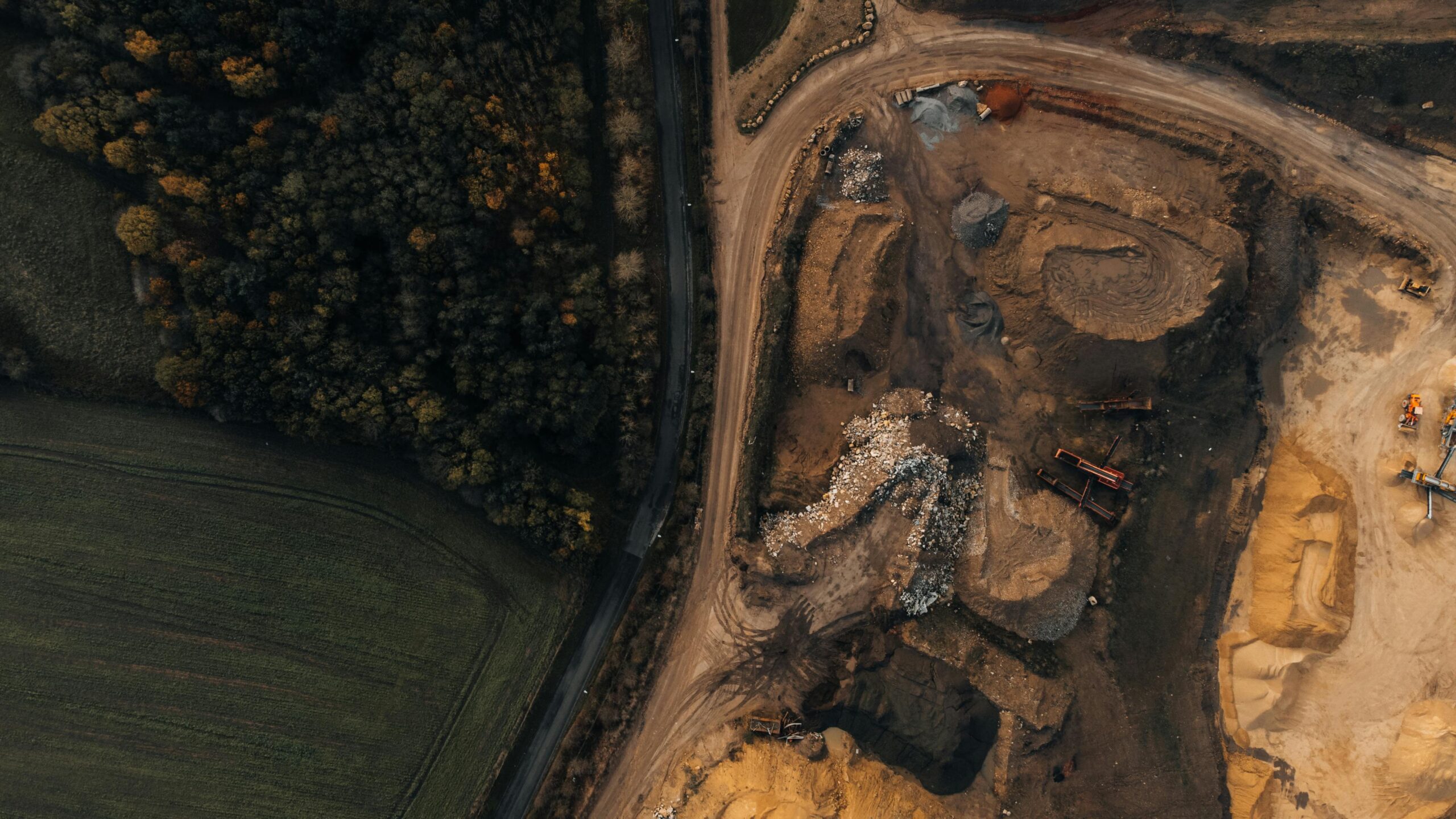
Cities are evolving ecosystems where technology and nature intersect in unprecedented ways. Modern urban landscapes demand innovative solutions that blend ecological understanding with advanced data analytics to create sustainable environments for future generations.

The transformation of our metropolitan areas into smart, sustainable spaces represents one of the most critical challenges of our time. As urban populations continue to swell, reaching an estimated 68% of the global population by 2050, the urgency to reimagine how we design, manage, and interact with city environments has never been greater. Cutting-edge ecology analytics offers a powerful lens through which we can decode urban complexity and unlock solutions that were previously invisible to traditional planning approaches.
🌿 The New Frontier of Urban Ecological Intelligence
Urban ecology analytics represents a paradigm shift in how we understand cities as living systems. Rather than viewing urban areas as concrete jungles divorced from nature, this approach recognizes cities as complex ecosystems where biological, physical, and social elements constantly interact. Advanced sensors, satellite imagery, machine learning algorithms, and Internet of Things (IoT) devices now provide unprecedented visibility into these intricate relationships.
The power of ecology analytics lies in its ability to process massive datasets in real-time, identifying patterns that human observers might miss. From tracking air quality fluctuations across neighborhoods to monitoring urban heat islands and biodiversity corridors, these technologies create a comprehensive picture of urban environmental health. This data-driven approach enables city planners, policymakers, and citizens to make informed decisions that balance development needs with ecological preservation.
Mapping the Invisible: Air Quality and Pollution Networks
One of the most transformative applications of urban ecology analytics involves air quality monitoring. Traditional approaches relied on sparse monitoring stations that provided limited spatial coverage. Today’s networks deploy thousands of low-cost sensors throughout cities, creating high-resolution pollution maps that reveal neighborhood-level variations.
These granular insights expose environmental justice issues, showing how pollution disproportionately affects certain communities. Armed with this evidence, cities can implement targeted interventions—from traffic routing adjustments to strategic placement of air-purifying green infrastructure. Barcelona, for instance, has used such analytics to design its “superblock” initiative, dramatically reducing vehicle emissions in residential areas while improving public health outcomes.
🏙️ Digital Twins: Virtual Laboratories for Urban Experimentation
Digital twin technology represents perhaps the most exciting frontier in urban ecology analytics. These virtual replicas of cities integrate real-time data from thousands of sources to create dynamic models that mirror physical urban environments. Planners can simulate interventions—from new parks to transportation networks—and observe their ecological impacts before breaking ground.
Singapore’s Virtual Singapore project exemplifies this approach, creating a comprehensive 3D model of the entire city-state. This platform enables researchers to test scenarios like the impact of different tree species on urban cooling, the spread of disease vectors, or how new buildings might affect wind patterns and air circulation. Such predictive capabilities transform urban planning from a reactive practice to a proactive science.
Real-Time Urban Forest Management
Urban forests provide critical ecosystem services—cooling cities, filtering air, managing stormwater, and supporting mental health. Ecology analytics now enables precision forestry at the city scale. Light detection and ranging (LiDAR) technology creates detailed 3D maps of tree canopies, while AI-powered image recognition identifies tree species, health status, and maintenance needs from street-level photography.
Melbourne’s Urban Forest Visual platform combines these technologies with climate projections to plan for a resilient tree population. The system predicts which tree species will thrive under future climate conditions and identifies priority planting locations to maximize cooling benefits in heat-vulnerable neighborhoods. This data-driven approach ensures that limited urban greening budgets deliver maximum ecological and social returns.
💧 Water Systems: From Gray to Green Infrastructure
Traditional urban water management separated stormwater, wastewater, and drinking water into isolated gray infrastructure systems. Ecology analytics reveals the potential for integrated, nature-based solutions that mimic natural hydrological processes while providing multiple benefits.
Smart sensor networks now monitor water quality, flow rates, and system capacity throughout urban watersheds. Machine learning algorithms predict flooding risks based on rainfall forecasts, soil moisture levels, and infrastructure capacity, enabling proactive responses. This intelligence supports the design of green infrastructure—rain gardens, bioswales, permeable pavements, and constructed wetlands—that manage water while creating habitat and enhancing urban aesthetics.
Philadelphia’s Green City, Clean Waters Initiative
Philadelphia transformed its approach to stormwater management using ecology analytics to design a comprehensive green infrastructure program. Rather than building massive gray infrastructure at enormous cost, the city invested in distributed green solutions that manage water where it falls. Sensors throughout the system monitor performance, while analytics optimize maintenance schedules and identify opportunities for expansion.
The program has transformed neighborhoods, reduced combined sewer overflows by millions of gallons, and created valuable green spaces in underserved areas. The data-driven approach demonstrated that green infrastructure could achieve compliance with clean water regulations at 40% of the cost of traditional methods—a compelling argument that has influenced urban water policy globally.
🦋 Biodiversity Monitoring at Scale
Cities host surprising biodiversity, from pollinators essential for urban gardens to bird species that indicate ecosystem health. Yet this biological richness has traditionally been difficult to monitor comprehensively. Ecology analytics is changing this through innovations like acoustic monitoring, environmental DNA sampling, and citizen science platforms powered by machine learning.
Acoustic sensors deployed throughout cities continuously record soundscapes, with AI algorithms identifying bird calls, insect sounds, and other biological indicators. This passive monitoring creates longitudinal datasets revealing how urban biodiversity responds to habitat changes, seasonal variations, and human activities. Such insights inform conservation strategies that protect critical urban habitats and create wildlife corridors connecting fragmented green spaces.
The Power of Citizen Science Amplified
Mobile applications like iNaturalist have democratized biodiversity monitoring, enabling citizens to contribute observations that feed into global databases. When combined with machine learning for species identification and spatial analytics for pattern detection, these platforms generate research-grade data at scales impossible for professional scientists alone.
Cities are leveraging these platforms for targeted bioblitzes, engaging communities in documenting local biodiversity while generating actionable data for planning. Los Angeles used such approaches to identify biodiversity hotspots worthy of protection and ecological deserts that would benefit from habitat enhancement. This participatory approach builds environmental literacy while generating the evidence base for conservation decisions.
🌡️ Climate Adaptation Through Microclimate Management
Urban heat islands—where cities experience temperatures significantly higher than surrounding rural areas—pose growing threats to public health, energy systems, and quality of life. Ecology analytics enables precise mapping of urban microclimates, revealing temperature variations across neighborhoods and identifying cooling strategies tailored to local conditions.
Satellite thermal imaging combined with ground-level sensors creates high-resolution heat maps showing how building materials, vegetation cover, and urban form influence temperature. This granular understanding enables targeted interventions—strategic tree planting, cool pavements, green roofs, and facade greening—placed where they’ll deliver maximum cooling benefits.
Tactical Urbanism Guided by Data
Some cities are using ecology analytics to guide tactical urbanism experiments—temporary interventions that test solutions before permanent implementation. Sensor networks measure how painted intersections, temporary parklets, or movable shade structures affect microclimate conditions and social behavior. Successful interventions become candidates for permanent installation, while less effective approaches are refined or abandoned.
This iterative, evidence-based approach reduces implementation risk and ensures resources focus on proven solutions. Paris deployed this strategy in its ambitious urban cooling program, using analytics to identify priority intervention zones and test various cooling techniques before scaling successful approaches citywide.
⚡ Energy-Ecology Nexus: Optimizing Urban Metabolism
Cities consume enormous quantities of energy while generating significant waste heat that exacerbates urban heat islands. Ecology analytics illuminates the energy-ecology nexus, revealing opportunities to optimize urban metabolism—the flows of energy, materials, and information through city systems.
Building-level energy monitoring combined with microclimate data shows how building operations affect surrounding thermal conditions. This understanding informs passive cooling strategies that reduce energy demand while improving outdoor comfort. Meanwhile, analytics identifying waste heat sources enable district energy systems that capture this byproduct for productive use—heating buildings, powering absorption chillers, or supporting urban agriculture.
Integration with Smart Grid Technologies
As cities deploy smart grids with granular monitoring of energy production and consumption, integration with ecology analytics creates powerful optimization possibilities. Algorithms can coordinate distributed renewable energy sources, energy storage systems, and flexible loads while considering ecological factors like urban heat, air quality, and carbon sequestration.
For example, analytics might coordinate electric vehicle charging to occur when renewable energy is abundant and using this flexible load to balance grid operations, while scheduling irrigation of urban green infrastructure to maximize evaporative cooling during afternoon heat peaks. This systems-thinking approach optimizes multiple objectives simultaneously, delivering efficiency gains impossible through siloed management.
🚶 Human Behavior and Urban Nature Interactions
Understanding how people interact with urban nature is essential for designing spaces that support both human wellbeing and ecological health. Ecology analytics now incorporates behavioral data from mobile devices, social media, and direct observation to reveal patterns of urban nature engagement.
These insights show which parks people actually visit, what features attract use, and how environmental conditions influence outdoor activity. Planners can use this evidence to design more effective public spaces, ensuring investments in urban nature translate to actual community benefits. The data also reveals equity gaps—communities with limited access to quality green space—enabling targeted interventions to address environmental justice concerns.
Measuring the Health Benefits of Urban Nature
Emerging research combines ecology analytics with public health data to quantify nature’s health benefits. Studies correlate tree canopy coverage with heat-related illness rates, demonstrate how park proximity affects mental health outcomes, and show how exposure to biodiversity influences immune system function.
These evidence-based connections strengthen arguments for urban greening investments by demonstrating tangible health returns. Several cities now incorporate such analytics into health impact assessments for major projects, ensuring development supports rather than undermines public wellbeing.
🔄 Building Feedback Loops for Adaptive Management
Perhaps the most transformative aspect of ecology analytics is enabling adaptive management—continuous learning cycles where monitoring informs interventions, outcomes are measured, and strategies evolve based on evidence. This contrasts sharply with traditional planning approaches where designs were implemented and rarely evaluated systematically.
Real-time monitoring systems create feedback loops that reveal when interventions succeed, fail, or produce unexpected outcomes. This evidence guides adjustments, ensuring urban ecological strategies remain effective amid changing conditions. As climate shifts, populations grow, and technologies evolve, adaptive management approaches keep cities resilient and responsive.
The Role of Predictive Analytics
Machine learning algorithms trained on historical and real-time data can forecast future conditions—predicting flood risks, air quality episodes, heat waves, or ecological tipping points. These early warnings enable proactive responses that prevent problems rather than reacting to crises.
Copenhagen’s climate adaptation plan leverages such predictive capabilities, using ensemble climate models and urban analytics to prepare for increased rainfall intensity. The city designed green infrastructure networks and storage systems based on these projections, ensuring resilience against future climate conditions rather than simply addressing historical flooding patterns.
🌍 Scaling Solutions: From Pilot Projects to City-Wide Transformation
While many cities have implemented successful pilot projects using ecology analytics, the challenge lies in scaling these innovations city-wide and sharing knowledge across urban regions globally. Standardized data protocols, open-source analytics platforms, and collaborative networks are emerging to accelerate this transition.
Organizations like the Global Covenant of Mayors and C40 Cities facilitate knowledge exchange, enabling cities to learn from peers and adapt proven approaches to local contexts. Meanwhile, technology companies and research institutions are developing accessible analytics platforms that democratize sophisticated capabilities, making advanced urban ecology analytics available to cities of all sizes and resource levels.

🚀 The Path Forward: Democratizing Urban Ecology Intelligence
The future of sustainable cities depends on broadly accessible ecology analytics that empower diverse stakeholders—from municipal planners to community organizations to individual citizens. Open data initiatives, user-friendly visualization tools, and participatory sensing platforms are making urban ecological intelligence increasingly democratic.
This democratization enables bottom-up innovation alongside top-down planning, with communities identifying local priorities and contributing to monitoring efforts. It also builds ecological literacy, helping urban residents understand their role within city ecosystems and empowering lifestyle changes that collectively improve urban sustainability.
The transformation of urban landscapes through cutting-edge ecology analytics represents more than technological advancement—it embodies a fundamental shift in how we conceptualize cities. Rather than machines imposed upon nature, cities emerge as hybrid ecosystems where human and natural systems coevolve. Analytics provides the sensory apparatus for these urban organisms, enabling them to sense, respond, and adapt to changing conditions.
As we unlock city secrets hidden in ecological data, we discover opportunities to create urban environments that nurture rather than degrade natural systems, that enhance rather than compromise human health, and that model sustainable living for a planet where urban life becomes the norm. The tools exist; the challenge ahead involves deploying them equitably, learning rapidly from successes and failures, and maintaining the political will to prioritize long-term sustainability over short-term expediency. The cities we create today using these insights will determine the quality of life for billions of future urban residents and the health of the planet itself.